


Luis A. Calvo
Released Album
Keyboard
-
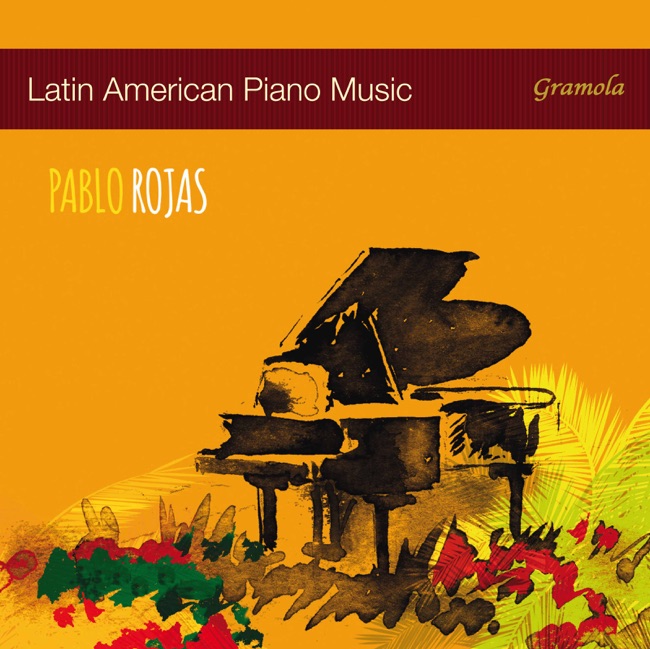 February 17, 2017
 -
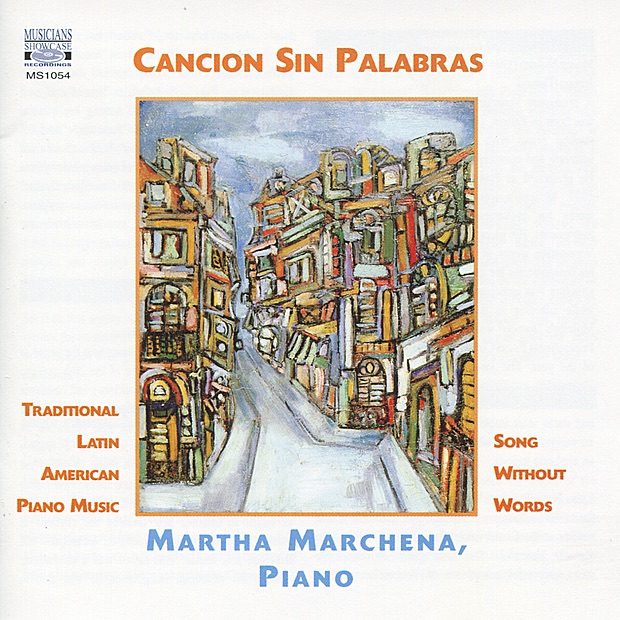 March 26, 2002
Artist Info
Role:ComposerBirth:1882Death:1945Genre:KeyboardLuis A. Calvo was a Colombian composer and musicologist who made significant contributions to the development of classical music in his country. He was born on August 23, 1882, in Bogotá, Colombia, to a family of musicians. His father, Luis Calvo, was a composer and conductor, and his mother, Ana María Gómez, was a pianist. From an early age, Calvo showed a keen interest in music and began studying piano and composition with his father. Calvo's musical education continued in Europe, where he studied at the Paris Conservatory with Gabriel Fauré and Charles-Marie Widor. He also studied with Max Reger in Leipzig and with Ferruccio Busoni in Berlin. These experiences exposed him to the latest trends in European music and helped shape his own compositional style. Upon returning to Colombia in 1910, Calvo became a professor of music at the National University of Colombia. He also founded the Colombian Symphony Orchestra, which he conducted for many years. In addition to his work as a composer and conductor, Calvo was a musicologist who researched and wrote extensively on Colombian folk music. He believed that the study of folk music was essential to the development of a national musical identity. Calvo's compositions reflect his interest in both European classical music and Colombian folk music. His early works, such as the Suite Colombiana for piano, show the influence of French impressionism. However, as he became more interested in Colombian folk music, his compositions began to incorporate elements of traditional Colombian rhythms and melodies. One of Calvo's most famous works is the Suite Colombiana No. 2 for orchestra, which was premiered in 1924. The suite consists of four movements, each based on a different Colombian folk rhythm. The first movement, "Bambuco," is a lively dance in 6/8 time. The second movement, "Pasillo," is a slower, more lyrical piece in 3/4 time. The third movement, "Bunde," is a rhythmic dance in 2/4 time. The final movement, "Currulao," is a fast-paced dance in 6/8 time. Another notable work by Calvo is the Suite Antigua for piano, which was composed in 1928. The suite consists of six movements, each based on a different Baroque dance form. Calvo's use of Colombian rhythms and melodies in these pieces gives them a unique flavor. Calvo's interest in Colombian folk music also led him to research and transcribe traditional songs and dances. He published several collections of Colombian folk music, including "Cancionero de la Sabana" and "Cancionero de la Costa." These collections helped to preserve and promote Colombian folk music, which had previously been overlooked by the country's musical establishment. In addition to his work as a composer and musicologist, Calvo was also a respected conductor. He conducted the Colombian Symphony Orchestra for many years and also conducted orchestras in other countries, including the United States and Argentina. Calvo's contributions to Colombian music were recognized during his lifetime. He was awarded the National Prize for Music in 1945 and was named a Knight of the Order of the Legion of Honor by the French government in 1952. He died on May 3, 1945, in Bogotá, leaving behind a legacy of music that continues to inspire and influence Colombian composers today.More....
Recent Artist Music
Copyright Ⓒ 2013 Davinci Finger. All rights reseved
Service Terms & Policy