


David Wikander
Released Album
Choral
-
 November 4, 2022
 -
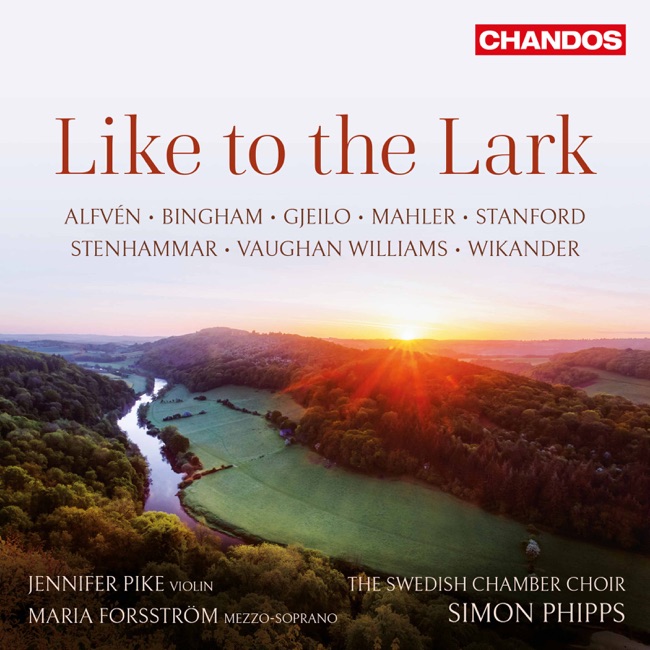 November 1, 2019
 -
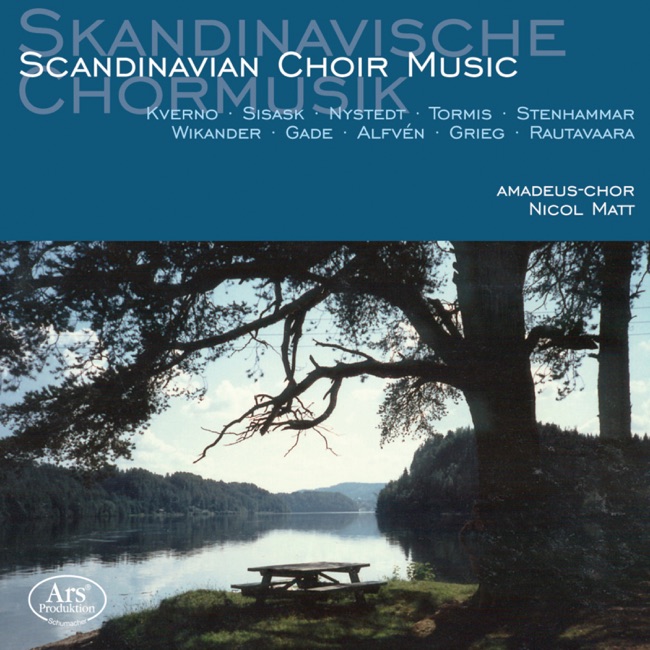 March 15, 2019
 -
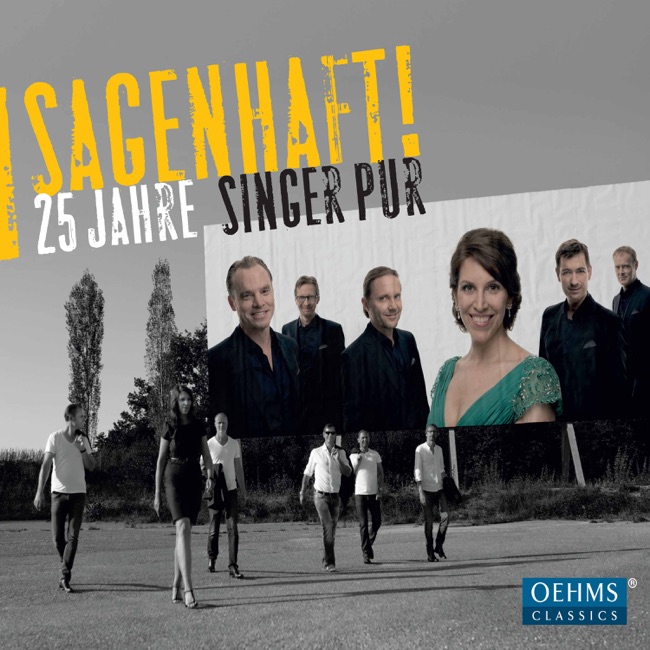 March 17, 2017
 -
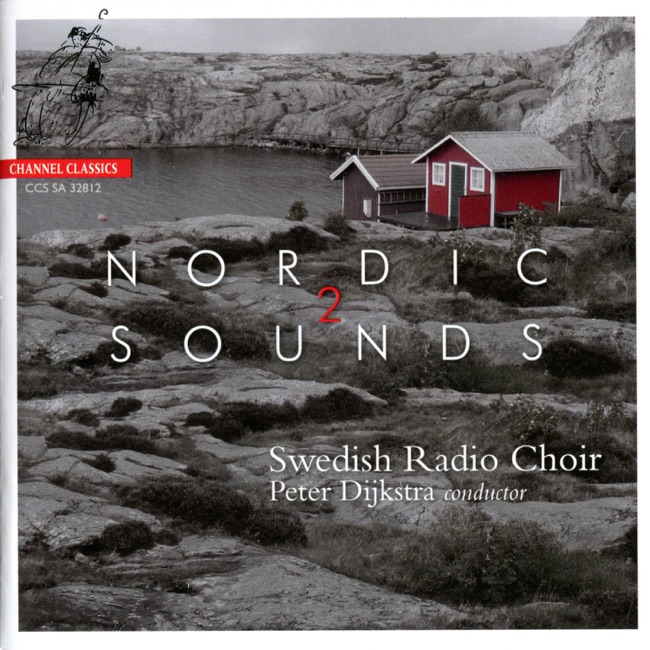 September 10, 2012
 -
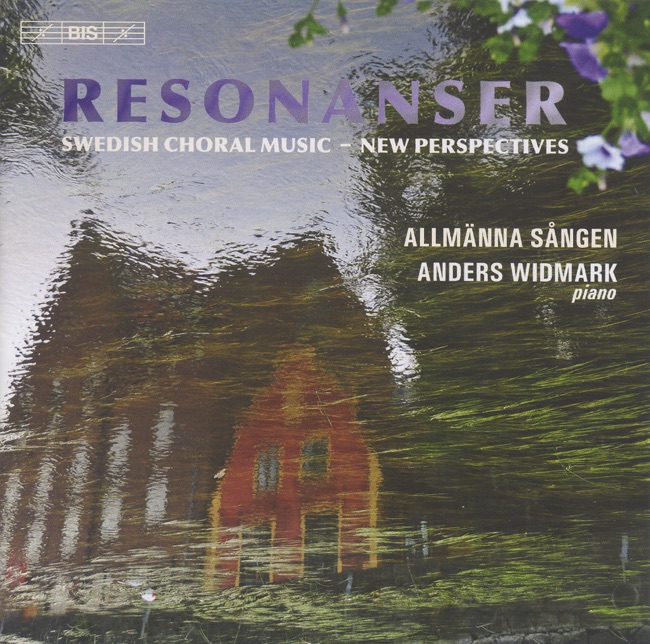 January 27, 2009
Miscellaneous
-
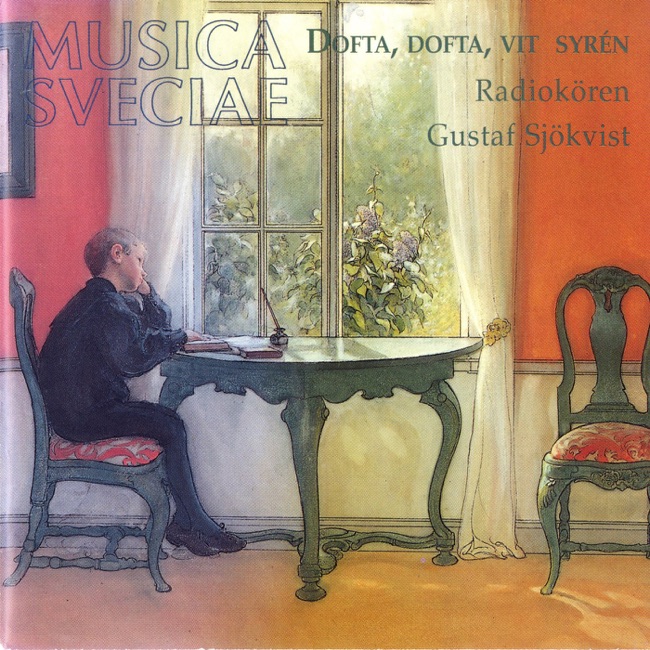 May 23, 1995
Artist Info
Role:ComposerBirth:1884Death:1955Genre:ChoralDavid Wikander was a Swedish composer born on August 21, 1884, in the town of Värnamo. He was the son of a church musician and grew up in a musical family. His father, Johan Wikander, was a well-known organist and composer, and his mother, Anna, was a singer. David Wikander showed an early interest in music and began playing the piano at the age of six. Wikander's musical education began at the age of ten when he was sent to study at the music school in Jönköping. He later studied at the Royal College of Music in Stockholm, where he was a student of the composer and conductor Wilhelm Stenhammar. Wikander also studied composition with the composer and musicologist Ernst Ellberg. Wikander's early works were influenced by the Romantic style of his teacher Stenhammar. However, he soon developed his own style, which was characterized by a blend of Swedish folk music and modernist techniques. His music was often described as lyrical, expressive, and deeply emotional. Wikander's first major work was his Symphony No. 1, which he composed in 1916. The symphony was well-received and established Wikander as a significant composer in Sweden. He went on to compose several other orchestral works, including his Symphony No. 2, which was premiered in 1921. In addition to his orchestral works, Wikander also composed a significant amount of chamber music. His String Quartet No. 1, composed in 1919, is considered one of his most important works in this genre. The quartet is characterized by its use of Swedish folk melodies and its innovative harmonies. Wikander was also a prolific composer of choral music. His most famous choral work is his setting of the Swedish folk song "Ack, Värmeland, du sköna," which he arranged for mixed choir and orchestra. The piece has become a beloved national treasure in Sweden and is often performed at national celebrations. Wikander's music was not only popular in Sweden but also gained international recognition. His works were performed in several European countries, including Germany, France, and England. He was also invited to conduct his own music in the United States in 1929. Wikander continued to compose throughout his life, and his later works were characterized by a more experimental style. He was particularly interested in the use of electronic music and composed several works for tape and synthesizer. David Wikander died on September 16, 1955, in Stockholm. He left behind a significant body of work that continues to be performed and admired today. His music is an important part of the Swedish classical music tradition and has had a lasting impact on the country's cultural heritage.More....


Copyright Ⓒ 2013 Davinci Finger. All rights reseved
Service Terms & Policy