


Emilie Mayer
Released Album
Chamber
-
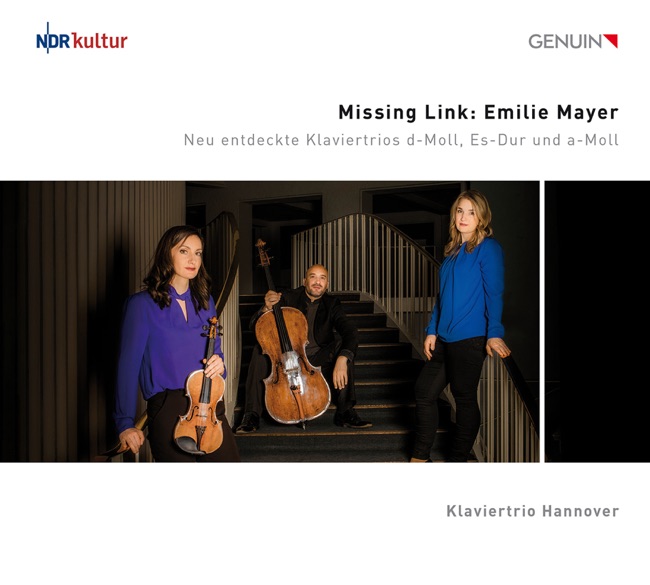 June 3, 2022
 -
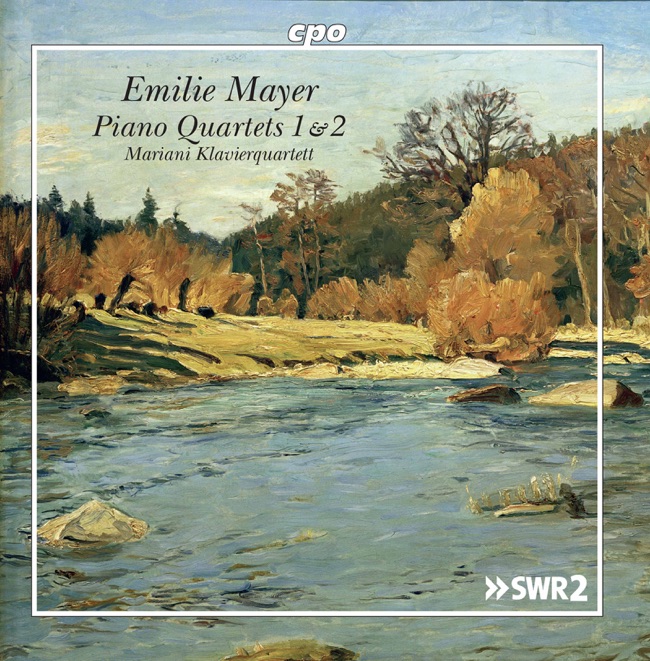 March 2, 2018
 -
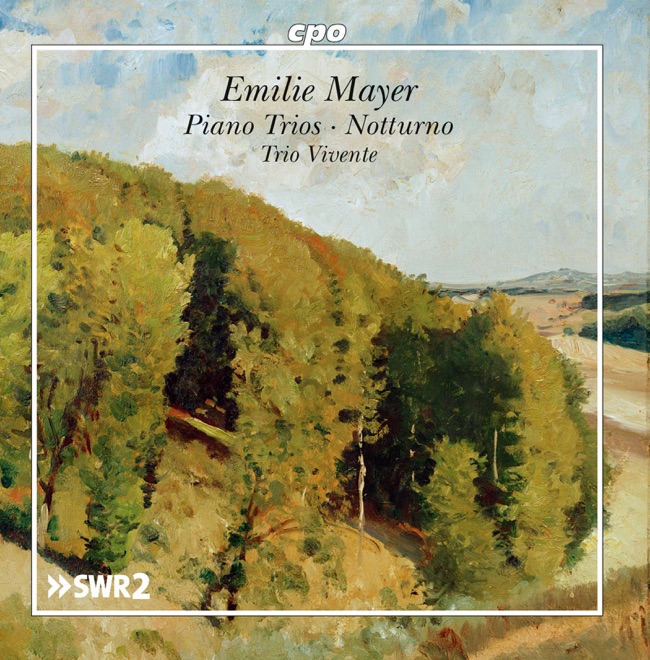 June 2, 2017
 -
 May 14, 2012
 -
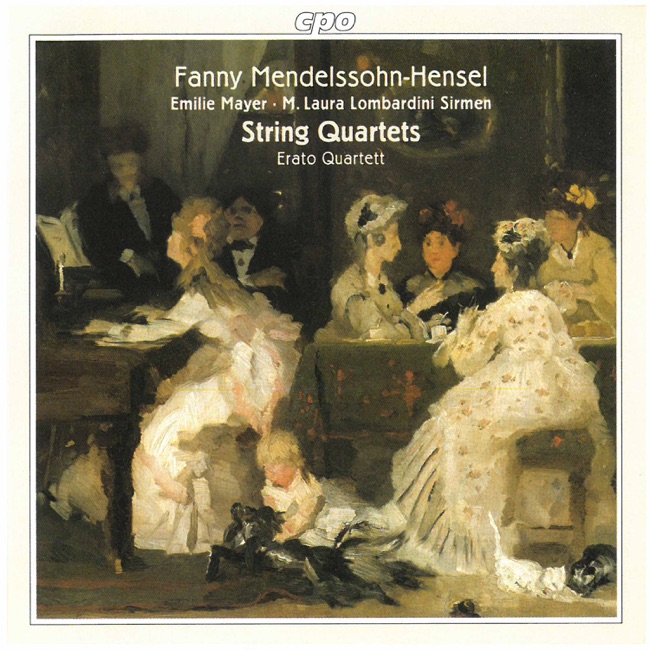 January 25, 2000
Symphony
-
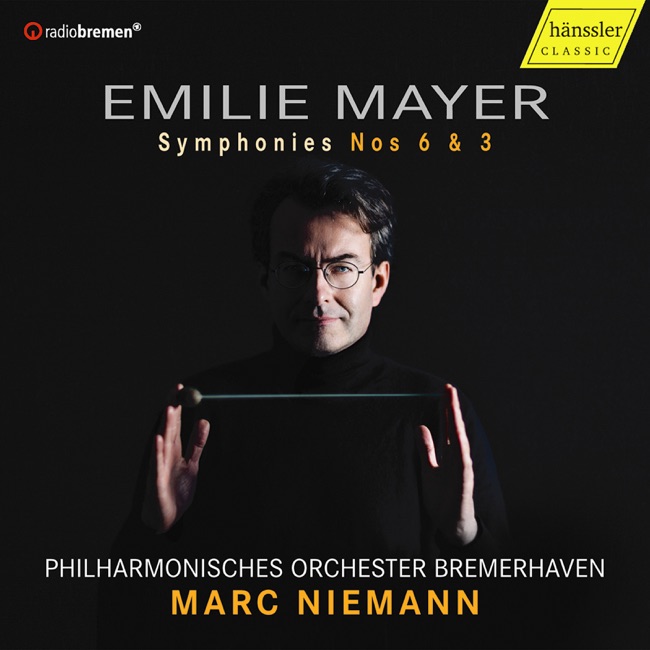
-
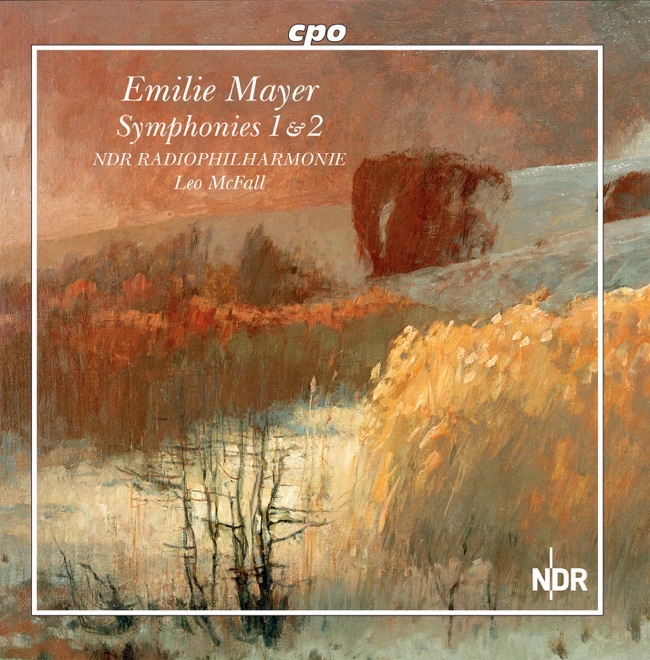 July 10, 2020
Vocal
-
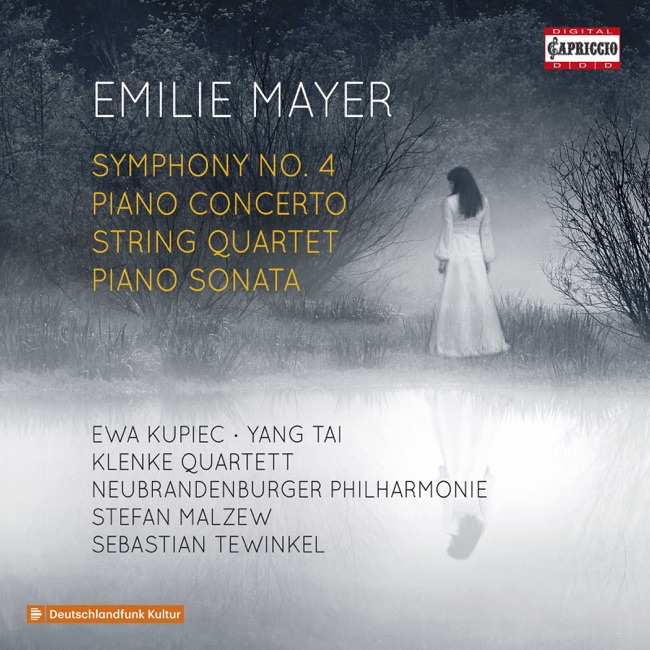
 April 8, 2022
Keyboard
Artist Info
Role:ComposerBirth:May 14, 1812 in Friedland, GermanyDeath:April 10, 1883 in Berlin, GermanyPeriod:RomanticGenre:ChamberEmilie Mayer was a German composer born on May 14, 1812, in Friedland, a small town in the Prussian province of Brandenburg. She was the daughter of a military musician, and her father recognized her musical talent at an early age. He provided her with a solid musical education, and she began composing at the age of seven. Mayer's early compositions were mostly for piano, but she soon began writing chamber music and orchestral works. She studied composition with Carl Loewe, a prominent composer of the time, and also took lessons in counterpoint and harmony. In 1830, she moved to Berlin to further her musical education and career. In Berlin, Mayer became part of the city's vibrant musical scene. She attended concerts and operas, and she also began to perform her own compositions. She quickly gained a reputation as a talented composer, and her works were performed by some of the leading musicians of the day. Mayer's music was influenced by the Romantic movement, which was sweeping through Europe at the time. Her compositions were characterized by their emotional intensity, rich harmonies, and expressive melodies. She was particularly interested in writing music for the orchestra, and she composed several symphonies, overtures, and other works for large ensembles. One of Mayer's most significant works is her Symphony No. 1 in C minor, which she composed in 1839. The symphony is a powerful and dramatic work, with a brooding opening movement that gives way to a lively scherzo and a lyrical slow movement. The finale is a triumphant and energetic conclusion to the work. Mayer also wrote several chamber music works, including string quartets, piano trios, and sonatas. Her chamber music is notable for its technical skill and emotional depth. One of her most famous chamber works is her Piano Trio in G minor, which she composed in 1847. The trio is a haunting and melancholy work, with a beautiful and expressive slow movement. In addition to her instrumental works, Mayer also composed vocal music. She wrote several songs and choral works, including a setting of the Stabat Mater text. Her vocal music is characterized by its lyrical melodies and sensitive treatment of the text. Despite her talent and success as a composer, Mayer faced significant obstacles as a woman in the male-dominated world of classical music. She struggled to gain recognition for her work, and she was often dismissed or ignored by critics and audiences. She also faced financial difficulties, as she was unable to secure a steady income from her music. Despite these challenges, Mayer continued to compose throughout her life. She wrote over 20 symphonies, numerous chamber works, and vocal music. Her later works show a greater maturity and depth, with a more refined sense of orchestration and harmony. Mayer died on July 10, 1883, in Berlin. She left behind a significant body of work that has only recently begun to receive the recognition it deserves. Her music is now being performed and recorded by musicians around the world, and she is increasingly recognized as one of the most important composers of the Romantic era.More....
Recent Artist Music


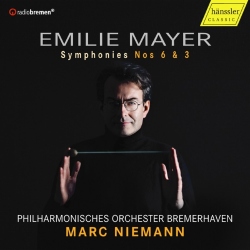
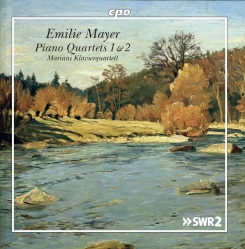


Copyright Ⓒ 2013 Davinci Finger. All rights reseved
Service Terms & Policy