


Tommaso Traetta
Released Album
Opera
-
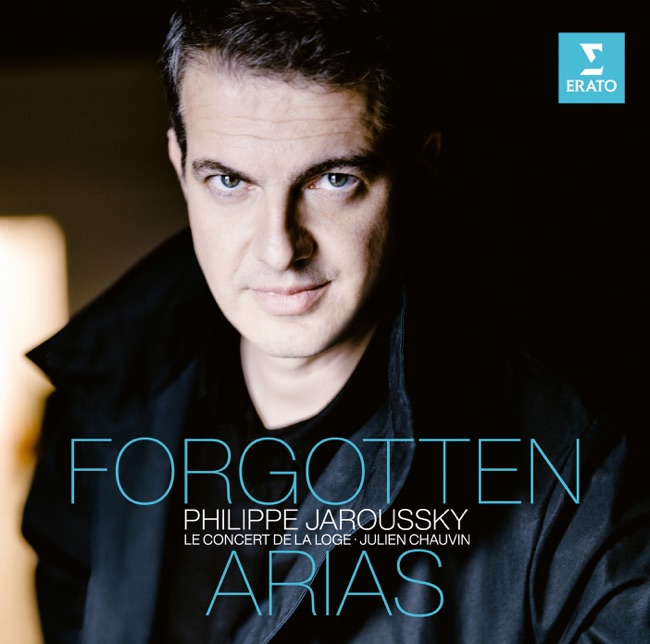 January 5, 2024
 -
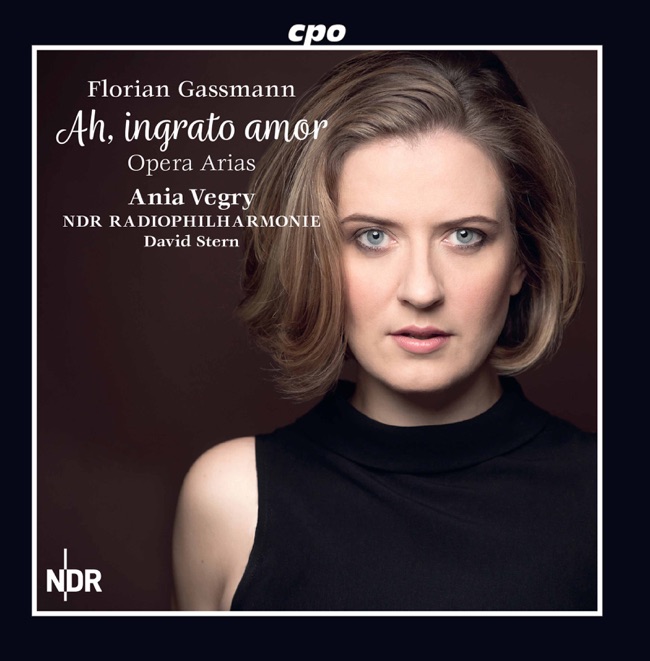 August 7, 2020
 -
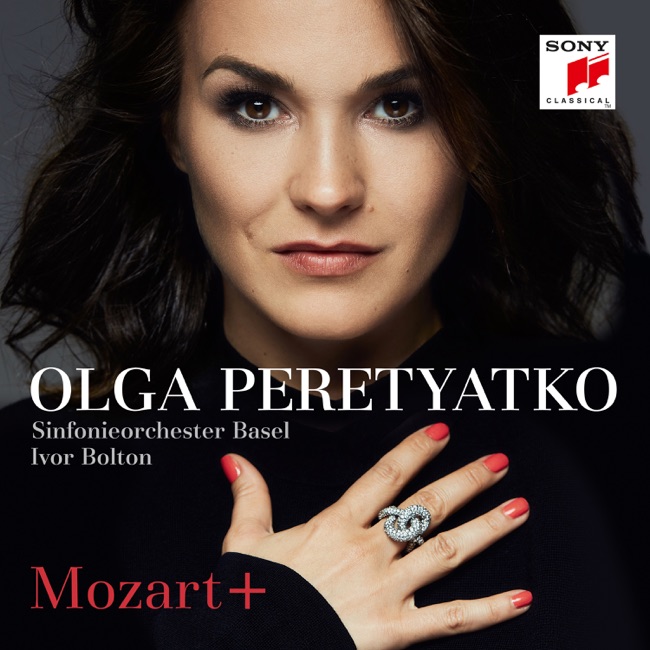 February 8, 2019
 -
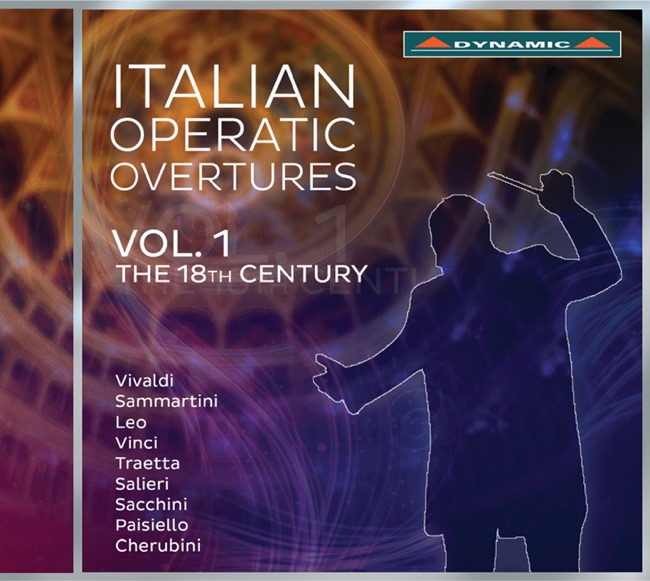 June 24, 2016
 -
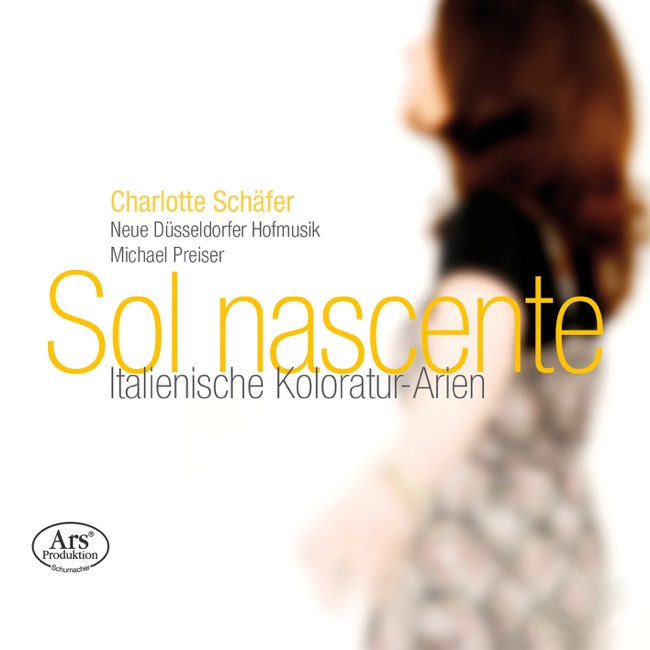 November 13, 2015
 -
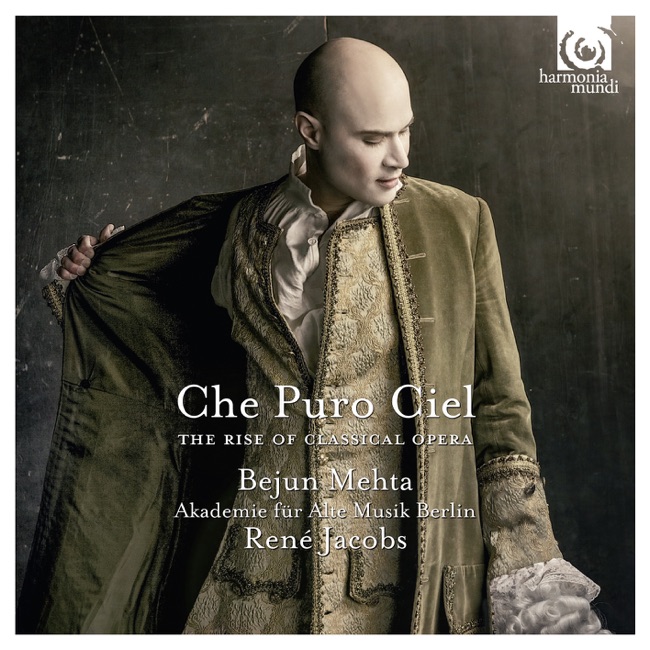 October 28, 2013
Vocal
-
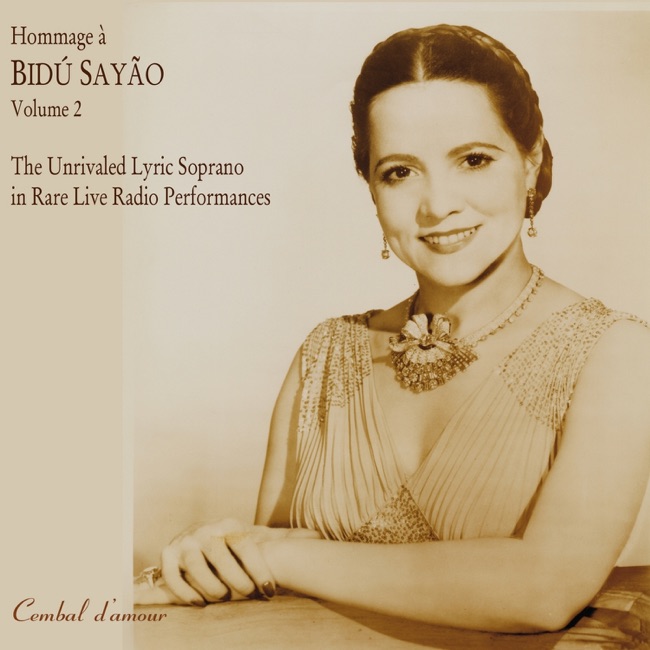 November 24, 2009
Choral
-
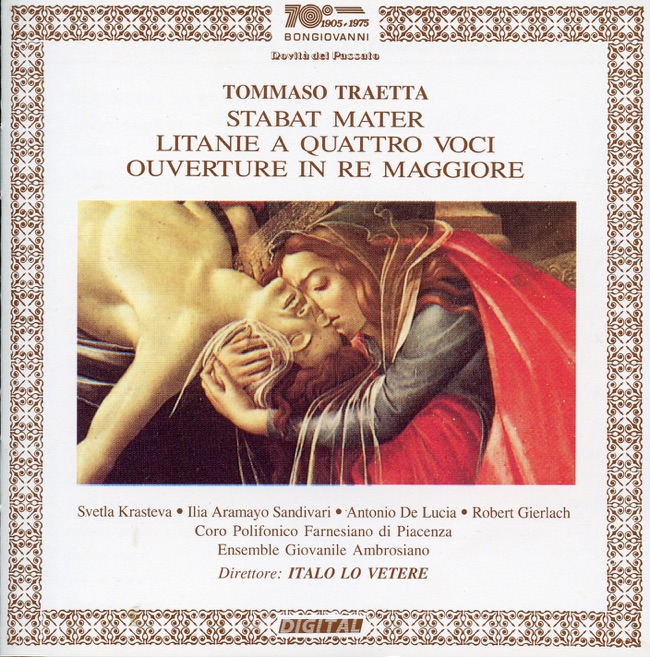
-
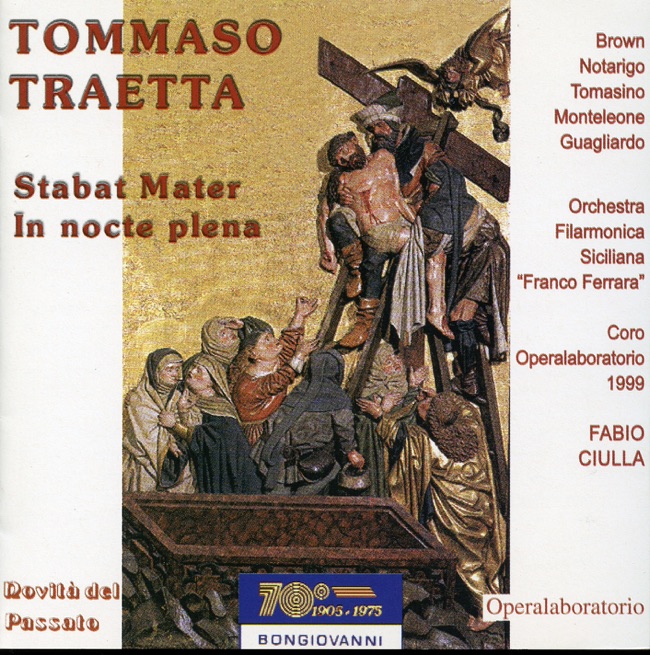 February 27, 2001
Artist Info
Role:ComposerCountry: ItalyBirth:March 30, 1727 in Bitonto, ItalyDeath:April 6, 1779 in Venice, ItalyPeriod:ClassicalGenre:ChoralOperaVocalTommaso Traetta was an Italian composer of the classical music era, born on March 30, 1727, in Bitonto, a small town in the province of Bari, Italy. He was the son of a musician, and his father, Filippo Traetta, was a composer and a music teacher. Tommaso Traetta showed an early interest in music and began his musical education under his father's guidance. Traetta's musical talent was evident from a young age, and he quickly became a skilled musician. He studied music theory, composition, and performance, and he was soon performing in public concerts. In 1747, he moved to Naples, where he studied with the famous composer Francesco Durante. During this time, he also became friends with the composer Niccolò Jommelli, who would later become a significant influence on his work. Traetta's early compositions were primarily vocal works, including operas, cantatas, and oratorios. His first opera, Ifigenia in Tauride, was performed in Naples in 1758 and was a great success. This led to a commission to compose an opera for the Teatro San Carlo in Naples, which resulted in the opera Antigona, which premiered in 1772. Traetta's operas were known for their dramatic intensity and emotional depth. He was a master of the opera seria style, which was popular in the 18th century and focused on serious, often tragic, subjects. His operas were also notable for their use of orchestration and vocal techniques, which were innovative for the time. In addition to his operas, Traetta also composed a significant amount of sacred music, including masses, motets, and other religious works. His sacred music was often performed in churches and cathedrals throughout Italy and was highly regarded for its beauty and emotional power. Traetta's career took him to many different cities throughout Italy, including Venice, Rome, and Florence. He also spent time in Paris, where he composed several operas for the French court. His most famous work from this period was the opera Armida, which premiered in Paris in 1784. Despite his success as a composer, Traetta faced many challenges throughout his career. He struggled with financial difficulties and often had to rely on the support of patrons to fund his work. He also faced criticism from some of his contemporaries, who felt that his music was too emotional and lacked the intellectual depth of other composers of the time. Despite these challenges, Traetta continued to compose throughout his life, and his work continued to be performed and admired long after his death. He died on April 6, 1779, in Venice, Italy, at the age of 52. Today, Traetta is remembered as one of the most important composers of the classical music era. His operas and sacred music continue to be performed and recorded, and his influence can be heard in the work of many later composers. His legacy is a testament to the power of music to move and inspire people, even centuries after it was first composed.More....
Recent Artist Music
Copyright Ⓒ 2013 Davinci Finger. All rights reseved
Service Terms & Policy