


Hugh Aston
Released Album
Keyboard
-
 February 9, 2024
 -
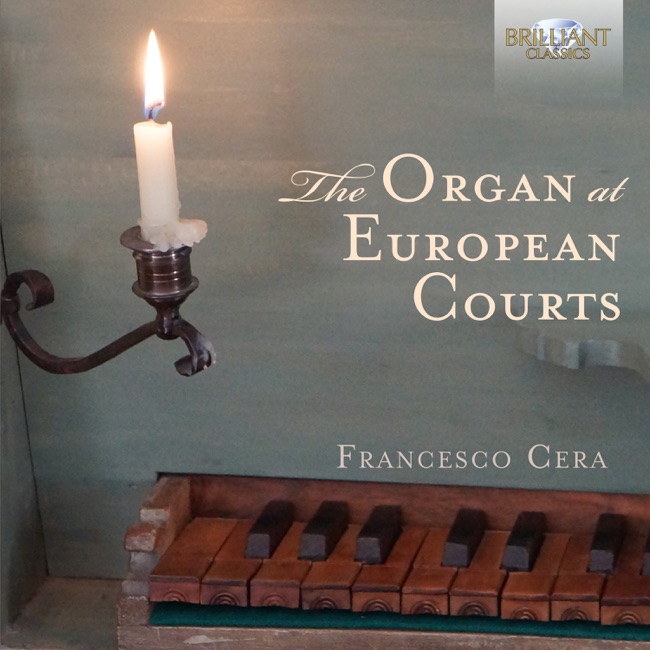 June 24, 2016
 -
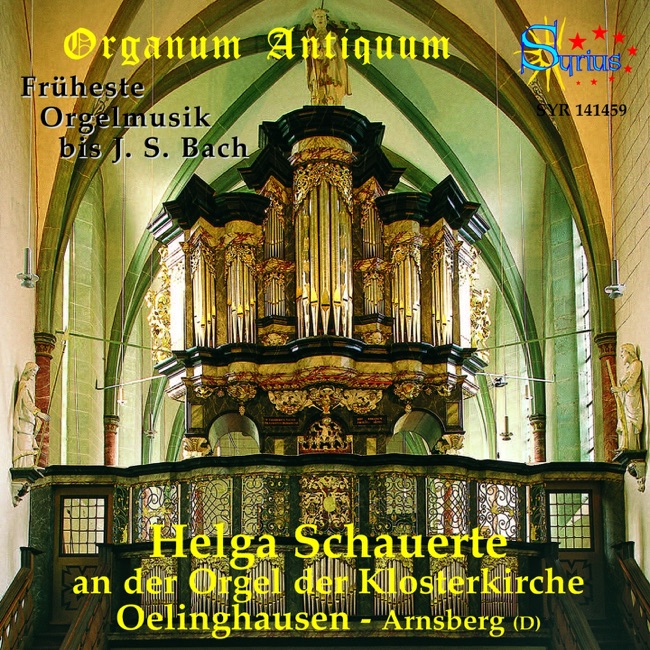 April 9, 2013
 -
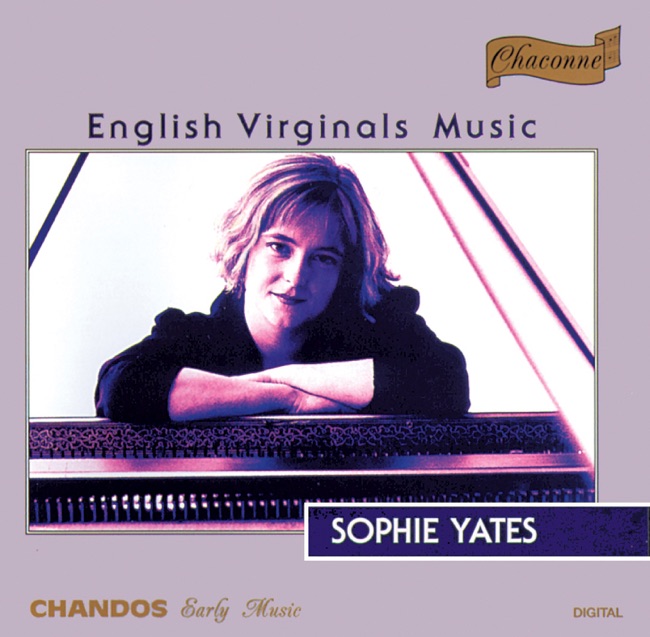 May 23, 1995
Artist Info
Role:ComposerCountry: United KingdomBirth:1485Death:November, 1558Period:RenaissanceGenre:KeyboardHugh Aston was a prominent English composer of the Renaissance period, born in the early 1480s in the town of Tye Green, Essex. He was the son of Robert Aston, a wealthy landowner, and his wife, Margaret. Hugh Aston was one of the most important composers of his time, and his works were highly regarded by his contemporaries. Aston's early life is not well documented, but it is known that he received a good education, likely at Oxford or Cambridge. He was also likely trained in music from a young age, as his family was known to be musically inclined. Aston's first known musical position was as a singer in the Chapel Royal, where he served from 1504 to 1505. In 1509, Aston was appointed as a Gentleman of the Chapel Royal, a prestigious position that allowed him to compose music for the royal court. He held this position for the rest of his life, and it was during this time that he composed some of his most important works. Aston's music was highly regarded for its complexity and beauty. He was known for his use of intricate polyphony, which involved multiple voices singing different melodies at the same time. His music was also notable for its use of dissonance, which was a departure from the more traditional harmonies of the time. One of Aston's most famous works is his "Missa Videte miraculum," which was composed in the early 1520s. This mass is notable for its use of a cantus firmus, which is a pre-existing melody that is used as the basis for a new composition. In this case, the cantus firmus was a popular English carol called "Videte miraculum," which means "Behold the miracle." Aston's mass is a complex and beautiful work that showcases his skill as a composer. Another important work by Aston is his "Gaude virgo mater Christi," which was composed in the early 1510s. This piece is a motet, which is a type of choral music that is typically sung in Latin. The text of the motet is a prayer to the Virgin Mary, and Aston's setting of the text is both beautiful and complex. The piece features intricate polyphony and a wide range of vocal textures, making it a challenging but rewarding work for performers. Aston's music was not only popular in England but also on the continent. His works were published in collections in France, Germany, and Italy, and he was highly regarded by his fellow composers. In fact, the famous composer Thomas Tallis is said to have been influenced by Aston's music. Despite his success as a composer, Aston's personal life was not without its challenges. He was married twice, and both of his wives died young. He also had financial difficulties throughout his life, and he was forced to sell some of his land to pay off debts. Aston died in 1558, at the age of around 75. He was buried in the Chapel Royal at St. Peter ad Vincula, where he had served as a Gentleman for nearly 50 years. Today, his music is still performed and admired by musicians and audiences around the world. In conclusion, Hugh Aston was a highly skilled and influential composer of the Renaissance period. His music was known for its complexity and beauty, and he was highly regarded by his contemporaries. Despite personal challenges and financial difficulties, Aston continued to compose music throughout his life, leaving behind a legacy of beautiful and intricate works that continue to be admired and performed today.More....
Copyright Ⓒ 2013 Davinci Finger. All rights reseved
Service Terms & Policy