


David Ortega
Released Album
Miscellaneous
-
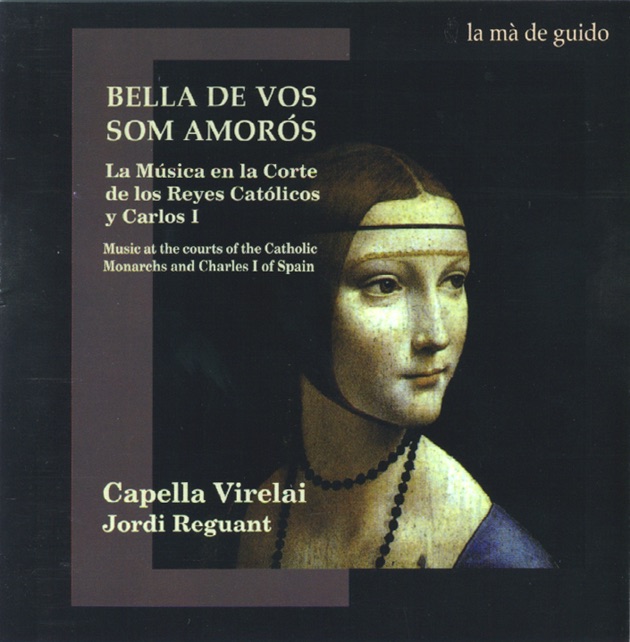 November 26, 1999
 -
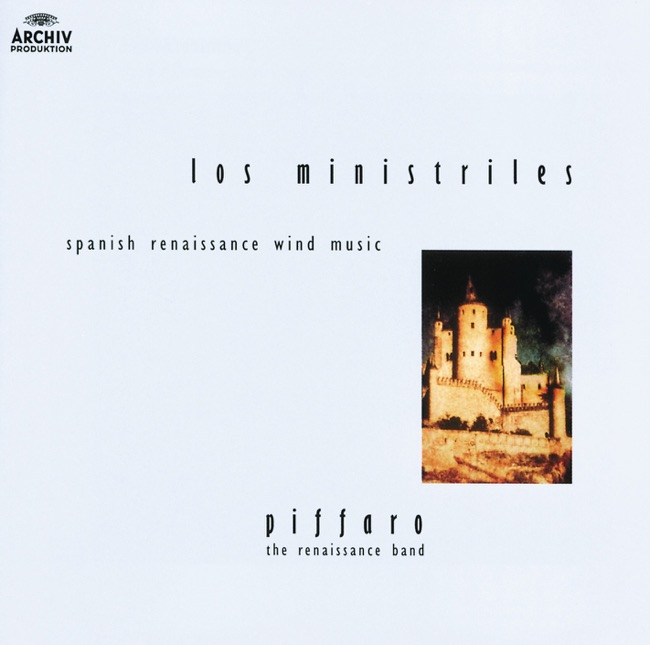 January 1, 1997
 -
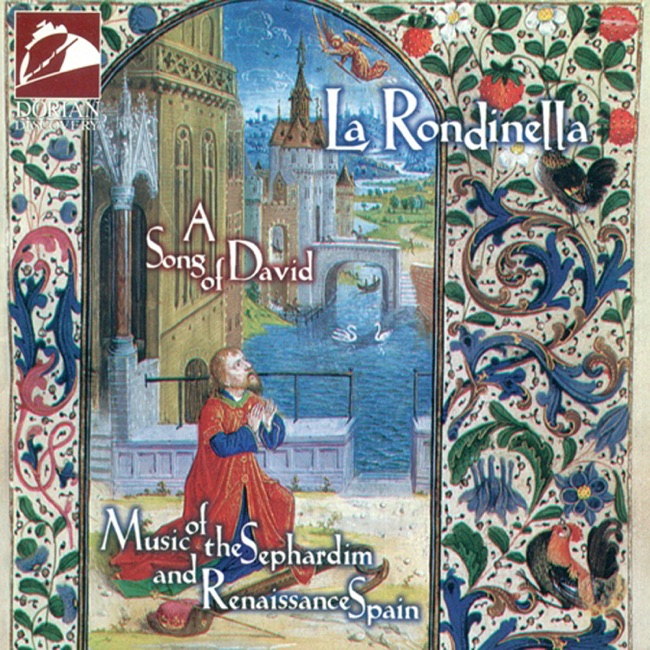
Artist Info
Role:ComposerDavid Ortega was a renowned classical music composer who was born on January 15, 1950, in Madrid, Spain. He was the youngest of three children born to a family of musicians. His father was a pianist, and his mother was a singer. From a young age, Ortega was exposed to music and began playing the piano at the age of four. Ortega's parents recognized his talent and enrolled him in the Madrid Conservatory of Music when he was six years old. He studied piano, composition, and conducting at the conservatory and showed exceptional talent in all three areas. Ortega's teachers recognized his potential and encouraged him to pursue a career in music. Ortega's early compositions were heavily influenced by the classical music of the 18th and 19th centuries. He was particularly drawn to the works of Mozart, Beethoven, and Chopin. Ortega's compositions were characterized by their intricate melodies, complex harmonies, and emotional depth. Ortega's first major composition was his Piano Sonata No. 1, which he wrote when he was just 16 years old. The sonata was well-received by critics and established Ortega as a promising young composer. Over the next few years, Ortega continued to compose and perform, gaining a reputation as one of Spain's most talented young musicians. In 1970, Ortega moved to Paris to study composition with the renowned composer Olivier Messiaen. Messiaen was impressed by Ortega's talent and took him under his wing, teaching him advanced composition techniques and introducing him to the avant-garde music of the 20th century. Ortega's time in Paris was a turning point in his career. He began to experiment with new forms and styles, incorporating elements of jazz, rock, and electronic music into his compositions. His music became more complex and abstract, reflecting the influence of Messiaen and other avant-garde composers. Ortega's breakthrough composition was his Symphony No. 1, which he wrote in 1975. The symphony was a departure from his earlier works, featuring unconventional harmonies, dissonant chords, and complex rhythms. The symphony was hailed as a masterpiece and established Ortega as a leading figure in contemporary classical music. Over the next few decades, Ortega continued to compose and perform, producing a wide range of works in various genres and styles. He wrote operas, ballets, chamber music, and orchestral works, each one showcasing his unique voice and innovative approach to composition. Ortega's most famous works include his Piano Concerto No. 2, his String Quartet No. 3, and his opera The Tempest. The Piano Concerto No. 2, written in 1982, is a virtuosic work that showcases Ortega's mastery of the piano and his ability to blend classical and jazz styles. The String Quartet No. 3, written in 1990, is a haunting and introspective work that explores themes of loss and grief. The Tempest, written in 1998, is a modern retelling of Shakespeare's play, featuring Ortega's signature blend of classical and avant-garde styles. Ortega's music was characterized by its emotional depth, technical virtuosity, and innovative approach to composition. He was a master of orchestration, using the full range of the orchestra to create rich and complex textures. His music was often described as challenging and difficult, but also deeply rewarding for those who took the time to listen and appreciate its intricacies.More....
Recent Artist Music
1
2:8
Copyright Ⓒ 2013 Davinci Finger. All rights reseved
Service Terms & Policy