


Friedrich Dionysus Weber
Artist Info
Role:ComposerBirth:October 9, 1766Death:December 25, 1842Period:RomanticGenre:ChamberOrchestralFriedrich Dionysus Weber was a German composer and conductor who lived from 1766 to 1842. He was born in Eutin, a small town in northern Germany, and was the son of a musician. His father, Franz Anton Weber, was a composer and conductor who worked for the Prince-Bishop of Lübeck. Friedrich Dionysus Weber grew up in a musical family and received his early musical education from his father. Weber began his career as a violinist and played in various orchestras in Germany. In 1790, he became the conductor of the orchestra at the Theater auf der Wieden in Vienna, where he worked with the librettist Emanuel Schikaneder. It was during this time that Weber composed his most famous work, the opera "Der Freischütz." "Der Freischütz" premiered in Berlin in 1821 and was an immediate success. The opera tells the story of a young hunter who makes a deal with the devil to win a shooting contest and win the hand of his beloved. The opera was praised for its innovative use of German folk music and its dramatic storyline. It became one of the most popular operas of the 19th century and is still performed today. Weber's other operas include "Euryanthe" and "Oberon." "Euryanthe" premiered in Vienna in 1823 and was not as successful as "Der Freischütz." The opera tells the story of a noblewoman who is falsely accused of infidelity. "Oberon" premiered in London in 1826 and was Weber's last opera. The opera tells the story of the fairy king Oberon and his quest to find a mortal bride. In addition to his operas, Weber composed a number of instrumental works, including symphonies, concertos, and chamber music. His most famous instrumental work is his "Clarinet Concerto No. 1," which was composed in 1811. The concerto is considered one of the most important works in the clarinet repertoire and is still performed today. Weber was also a respected conductor and held positions at various opera houses in Germany. He was the conductor of the Dresden Opera from 1817 to 1826 and the Berlin Opera from 1826 to 1829. He was known for his innovative interpretations of operas and his ability to bring out the best in his performers. Weber's music was influential in the development of German Romanticism. His use of German folk music and his emphasis on drama and emotion in his operas were important contributions to the Romantic movement. His music also had an impact on later composers, including Richard Wagner and Gustav Mahler. Weber died in London in 1842 while on a concert tour. He was buried in the cemetery of Moorfields Chapel in London. His legacy as a composer and conductor continues to be celebrated today, and his music remains an important part of the classical repertoire.More....
Recent Artist Music
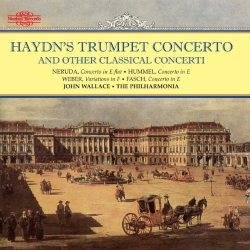
2
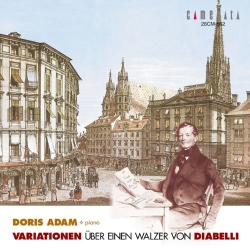
1:56
3
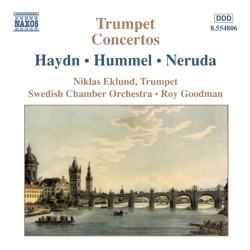
1:50
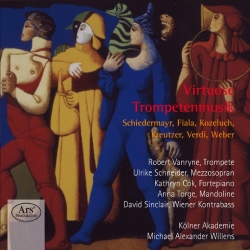
Copyright Ⓒ 2013 Davinci Finger. All rights reseved
Service Terms & Policy