


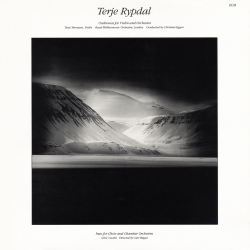
Terje Rypdal
Released Album
Vocal
-
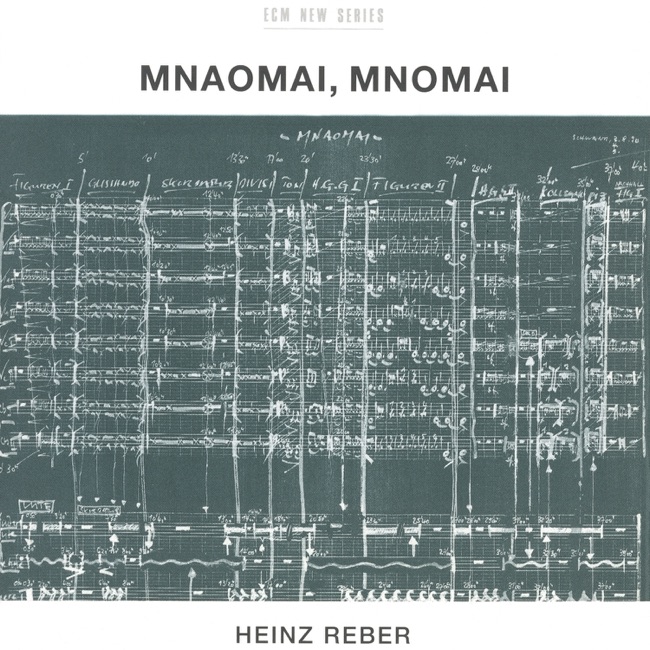 March 2, 1992
Concerto
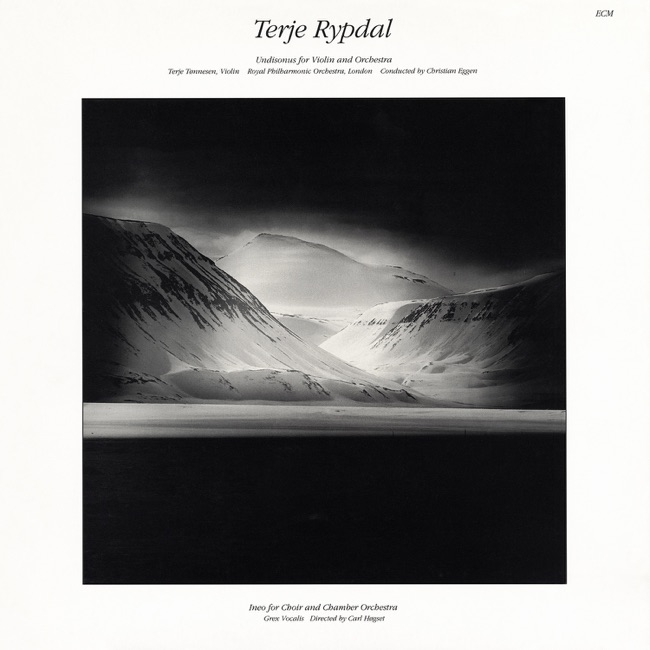
Chamber
-
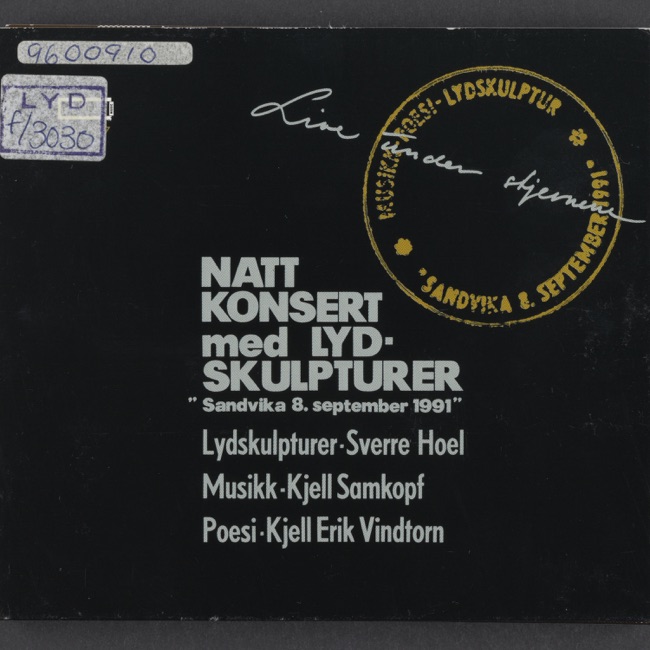 January 1, 1996
Artist Info
Role:ComposerCountry: NorwayBirth:August 23, 1947 in Oslo, NorwayGenre:Avant-GardeTerje Rypdal is a Norwegian composer and guitarist who has made significant contributions to the world of classical music. Born on August 23, 1947, in Oslo, Norway, Rypdal grew up in a musical family. His father was a conductor, and his mother was a pianist. Rypdal started playing the piano at a young age, but he soon switched to the guitar, which became his primary instrument. Rypdal's interest in music was not limited to classical music. He was also influenced by jazz, rock, and blues. He started playing in local bands in his teenage years and soon became a part of the Norwegian jazz scene. In 1968, he joined the Jan Garbarek Quartet, which was one of the most influential jazz groups in Norway at the time. Rypdal's unique style of playing the guitar, which combined elements of jazz, rock, and classical music, quickly gained recognition. In the early 1970s, Rypdal started composing his own music. His first album, "Bleak House," was released in 1968 and featured a mix of jazz and rock music. However, it was his second album, "Terje Rypdal," released in 1971, that established him as a composer. The album featured a fusion of jazz and classical music, with Rypdal's guitar playing as the centerpiece. The album received critical acclaim and established Rypdal as a leading figure in the Norwegian music scene. Rypdal continued to experiment with different genres of music in his subsequent albums. His 1973 album, "What Comes After," featured a mix of jazz, rock, and classical music, with a focus on improvisation. The album was a commercial success and helped Rypdal gain international recognition. In 1975, he released "Odyssey," which was a concept album based on Homer's epic poem. The album featured a symphony orchestra and a choir, along with Rypdal's guitar playing. The album was a critical success and established Rypdal as a composer of classical music. In the 1980s, Rypdal continued to explore different genres of music. His 1985 album, "Chaser," featured a mix of jazz, rock, and electronic music. The album was a departure from his earlier works and showcased Rypdal's versatility as a composer. In 1989, he released "The Singles Collection," which featured some of his most popular songs from his earlier albums. In the 1990s, Rypdal continued to compose music and collaborate with other musicians. He worked with the Hilliard Ensemble, a British vocal quartet, on the album "In Praise of Dreams," which was released in 2000. The album featured Rypdal's guitar playing and the Hilliard Ensemble's vocal harmonies. The album was a critical success and showcased Rypdal's ability to collaborate with other musicians. Rypdal's music has been described as a fusion of jazz, rock, and classical music. His guitar playing is characterized by its use of distortion, feedback, and other effects, which give his music a unique sound. Rypdal's compositions often feature complex harmonies and rhythms, and his use of improvisation adds an element of spontaneity to his music. Rypdal has received numerous awards and honors for his contributions to music. In 2002, he was awarded the Buddy Prize, which is the highest honor in Norwegian jazz. In 2010, he was awarded the Arts Council Norway Honorary Award for his contributions to Norwegian music. Rypdal's music continues to inspire and influence musicians around the world. In conclusion, Terje Rypdal is a Norwegian composer and guitarist who has made significant contributions to the world of classical music.More....

Copyright Ⓒ 2013 Davinci Finger. All rights reseved
Service Terms & Policy