


Alessandro Cavicchi
Released Album
Chamber
-
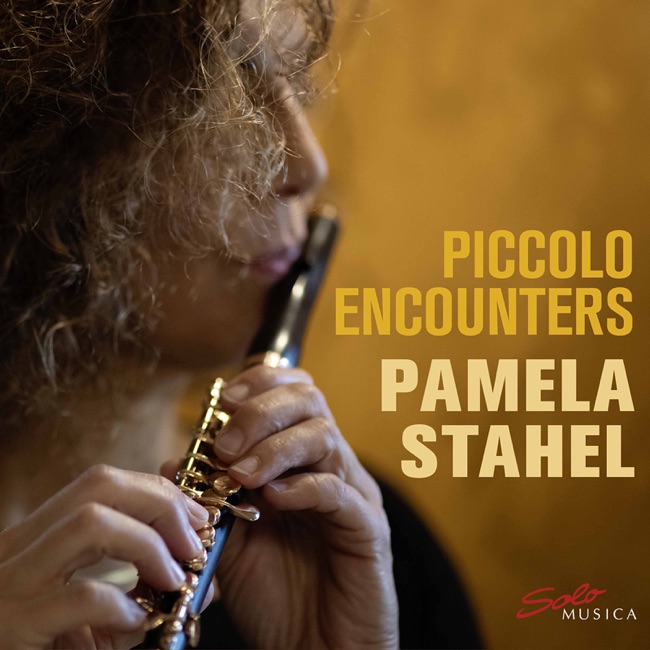 May 15, 2020
 -
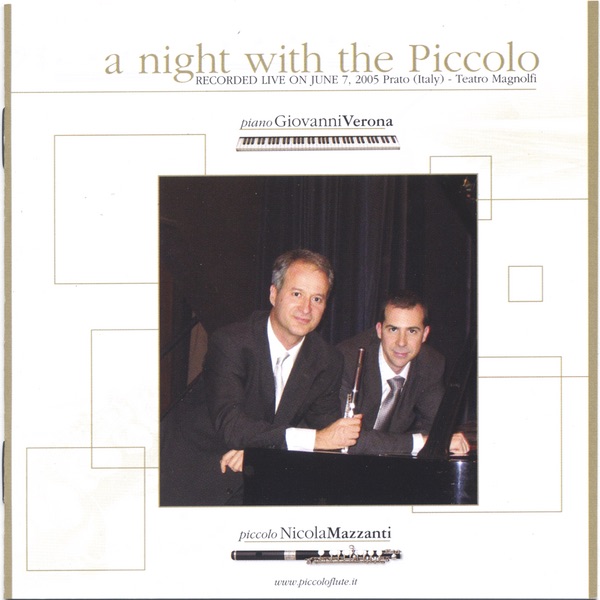 January 20, 2006
Concerto
-
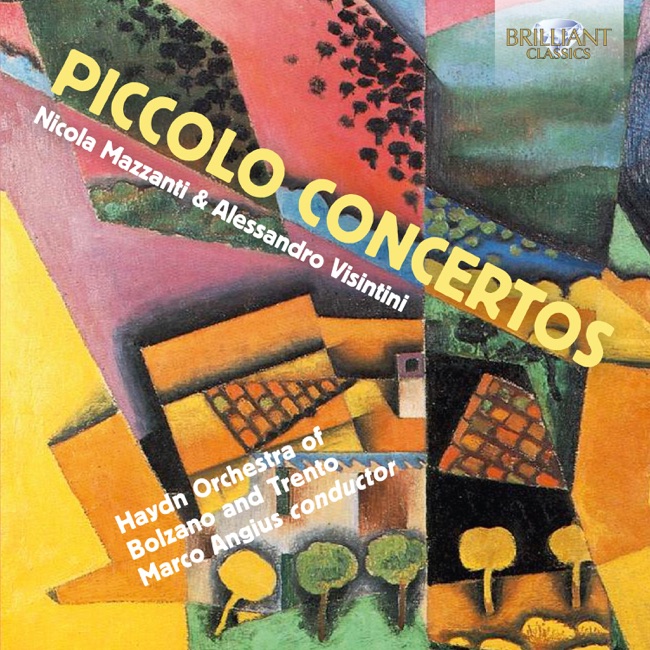 December 9, 2016
Artist Info
Role:ComposerBirth:April 30, 1957 in Prato, ItalyAlessandro Cavicchi was an Italian composer of classical music who lived from 1886 to 1962. He was born in the town of Forlì, in the Emilia-Romagna region of Italy. His father was a musician, and he grew up in a musical family. From a young age, he showed a talent for music, and he began studying piano and composition at a young age. Cavicchi's early musical education was focused on the classical tradition, and he was heavily influenced by the works of Bach, Mozart, and Beethoven. He studied at the Conservatory of Bologna, where he was trained in the traditional Italian style of composition. He also studied with the composer and conductor Arturo Toscanini, who was a major influence on his work. Cavicchi's early compositions were heavily influenced by the classical tradition, but he also began to experiment with new forms and techniques. He was particularly interested in the use of dissonance and atonality, and he began to incorporate these elements into his work. He also began to explore the use of electronic instruments, which were still relatively new at the time. Cavicchi's early works were well received, and he quickly gained a reputation as a talented composer. He was commissioned to write music for a number of important events, including the opening of the Forlì Opera House and the inauguration of the new city hall in Bologna. He also began to receive international recognition, and his works were performed in major cities throughout Europe and the United States. One of Cavicchi's most famous works is his Symphony No. 1, which was composed in 1920. The symphony is a complex and challenging work, with a number of innovative techniques and structures. It is notable for its use of atonality and dissonance, as well as its incorporation of electronic instruments. The symphony was well received by critics and audiences alike, and it helped to establish Cavicchi as one of the leading composers of his time. Cavicchi continued to compose throughout his life, and he produced a number of important works in a variety of genres. He wrote operas, ballets, chamber music, and orchestral works, and he continued to experiment with new forms and techniques. He was particularly interested in the use of electronic instruments, and he was one of the first composers to incorporate them into his work. One of Cavicchi's most important works from his later years is his opera La Fiamma, which was composed in 1934. The opera is a complex and challenging work, with a number of innovative techniques and structures. It is notable for its use of atonality and dissonance, as well as its incorporation of electronic instruments. The opera was well received by critics and audiences alike, and it helped to establish Cavicchi as one of the leading composers of his time. Cavicchi's later years were marked by a number of personal and professional challenges. He suffered from health problems, and he struggled to maintain his creative output. He also faced criticism from some quarters for his experimental approach to composition, which was seen by some as too radical and avant-garde. Despite these challenges, Cavicchi continued to compose until his death in 1962. His legacy as a composer of classical music is significant, and his work continues to be studied and performed by musicians and scholars around the world.More....
Copyright Ⓒ 2013 Davinci Finger. All rights reseved
Service Terms & Policy