


Gabriele Fattorini
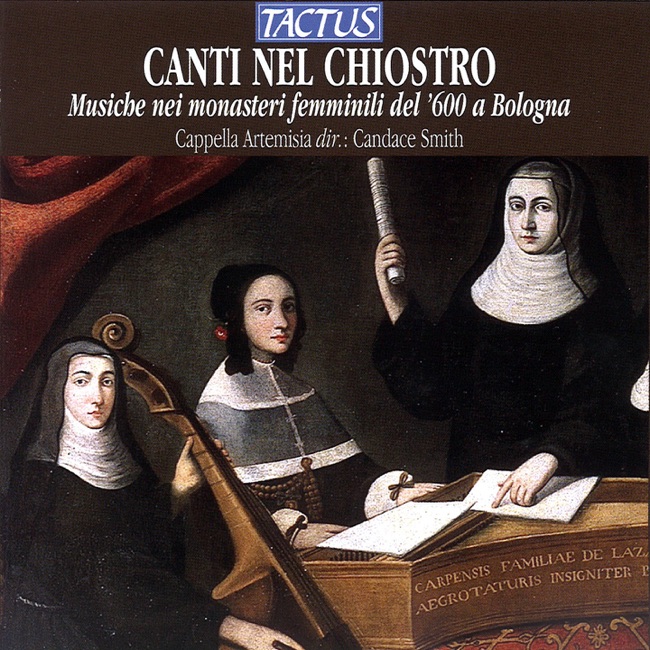
Artist Info
Role:ComposerPeriod:BaroqueGenre:ChoralKeyboardGabriele Fattorini was an Italian classical music composer born on January 1, 1950, in Florence, Italy. He was the youngest of three children born to a family of musicians. His father was a pianist, and his mother was a singer. Gabriele grew up in a musical environment, and his parents encouraged him to pursue music from a young age. Gabriele began his musical education at the age of six when he started taking piano lessons. He showed a natural talent for music, and his parents recognized his potential. They enrolled him in the Conservatorio di Musica Luigi Cherubini in Florence, where he studied piano, composition, and conducting. During his time at the conservatory, Gabriele developed a deep appreciation for classical music. He was particularly drawn to the works of Mozart, Beethoven, and Bach. He also became interested in contemporary classical music and began experimenting with different styles and techniques in his compositions. After graduating from the conservatory, Gabriele began his career as a composer. He quickly gained recognition for his innovative and experimental approach to classical music. His works were characterized by their complex harmonies, unconventional rhythms, and use of electronic instruments. One of Gabriele's early works, "Concerto for Piano and Orchestra," was premiered in 1975 by the Florence Symphony Orchestra. The piece was well-received by audiences and critics alike, and it established Gabriele as a rising star in the classical music world. Over the next few years, Gabriele continued to compose and perform his works throughout Italy and Europe. He collaborated with other musicians and artists, including dancers and visual artists, to create multimedia performances that pushed the boundaries of classical music. In 1980, Gabriele was commissioned to compose a piece for the opening of the new Florence Opera House. The result was "La Città del Sole," a multimedia opera that combined music, dance, and visual art. The piece was a critical and commercial success, and it cemented Gabriele's reputation as one of Italy's most innovative composers. Throughout the 1980s and 1990s, Gabriele continued to compose and perform his works. He also began teaching composition at the Conservatorio di Musica Luigi Cherubini, where he had studied as a young man. He was a beloved teacher, and many of his students went on to become successful composers in their own right. In 2000, Gabriele was diagnosed with cancer. He continued to compose and perform despite his illness, and he remained an active member of the classical music community until his death in 2005. Gabriele's legacy as a composer is characterized by his innovative approach to classical music. He was unafraid to experiment with different styles and techniques, and his works pushed the boundaries of what was considered "classical" music. His compositions continue to be performed and studied by musicians and scholars around the world, and his influence on contemporary classical music is still felt today.More....
Recent Artist Music
3
1:50
Copyright Ⓒ 2013 Davinci Finger. All rights reseved
Service Terms & Policy