


David Shenton
Released Album
Keyboard
-
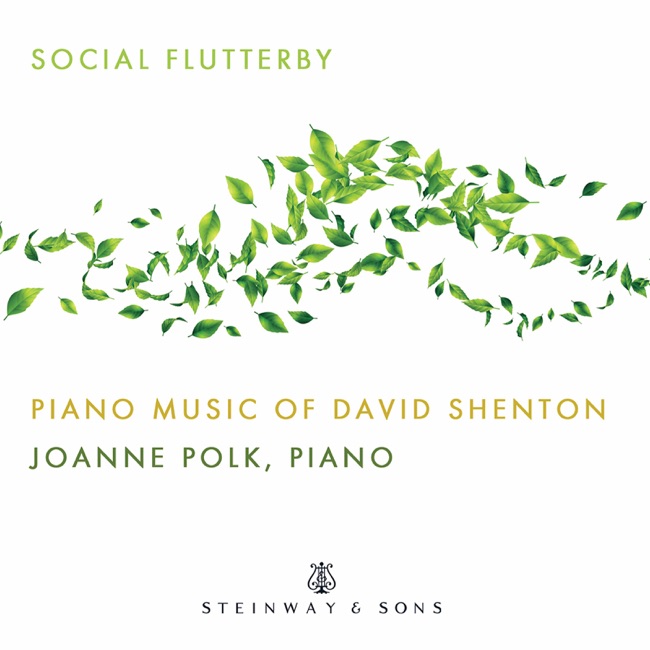 November 5, 2021
 -

Artist Info
Role:ComposerDavid Shenton was a British classical music composer, born on May 22, 1952, in London, England. He grew up in a family of musicians, with his father being a professional violinist and his mother a pianist. Shenton started playing the piano at the age of four and showed a natural talent for music. He attended the Royal Academy of Music in London, where he studied composition and piano. Shenton's early compositions were influenced by the works of classical composers such as Bach, Mozart, and Beethoven. He was also inspired by the music of contemporary composers such as Stravinsky and Bartok. Shenton's compositions were characterized by their intricate harmonies, complex rhythms, and use of unconventional instruments. In 1975, Shenton's composition "Concerto for Piano and Orchestra" was premiered at the Royal Festival Hall in London. The piece was well-received by critics and established Shenton as a promising young composer. Over the next few years, Shenton continued to compose music for various ensembles and orchestras, including the London Symphony Orchestra and the BBC Symphony Orchestra. In 1982, Shenton was commissioned by the Royal Opera House in London to compose an opera. The resulting work, "The Tempest," was based on Shakespeare's play of the same name and premiered to critical acclaim. The opera was praised for its innovative use of electronic music and its incorporation of elements of jazz and rock music. Throughout the 1980s and 1990s, Shenton continued to compose music for a variety of ensembles and orchestras. He also worked as a music teacher, teaching composition and piano at the Royal Academy of Music and other institutions. In 1998, Shenton was awarded the Order of the British Empire for his contributions to music. In the early 2000s, Shenton began to focus more on composing music for film and television. He wrote the score for several British television shows, including "The Bill" and "Holby City." He also composed music for several films, including "The Last King of Scotland" and "The Queen." Shenton's later works were characterized by their use of electronic music and their incorporation of elements of world music. He was particularly interested in the music of India and Africa and often incorporated these influences into his compositions. Shenton continued to compose music until his death in 2016. David Shenton's contributions to classical music were significant. His innovative use of electronic music and incorporation of elements of jazz and rock music helped to expand the boundaries of classical music. His compositions were characterized by their complexity and sophistication, and his use of unconventional instruments helped to create a unique sound. Shenton's legacy continues to inspire and influence composers today.More....


Copyright Ⓒ 2013 Davinci Finger. All rights reseved
Service Terms & Policy