


Doming Lam
Released Album
Keyboard
-
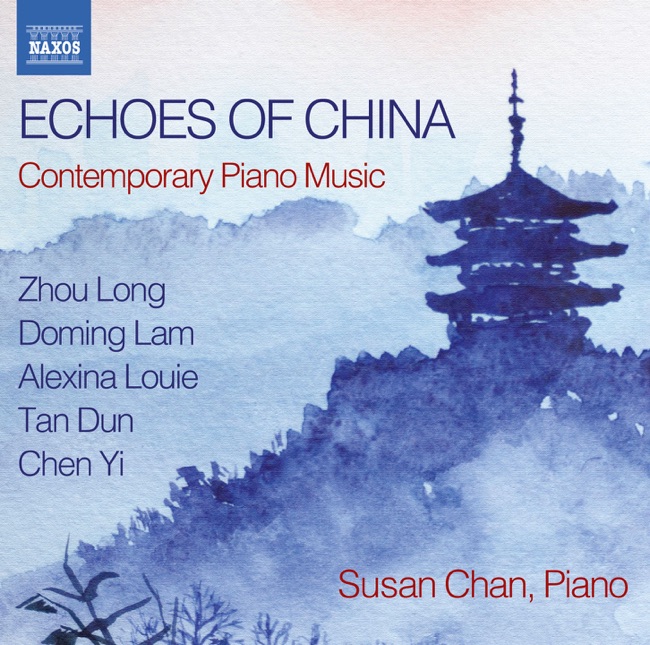 August 14, 2015
 -
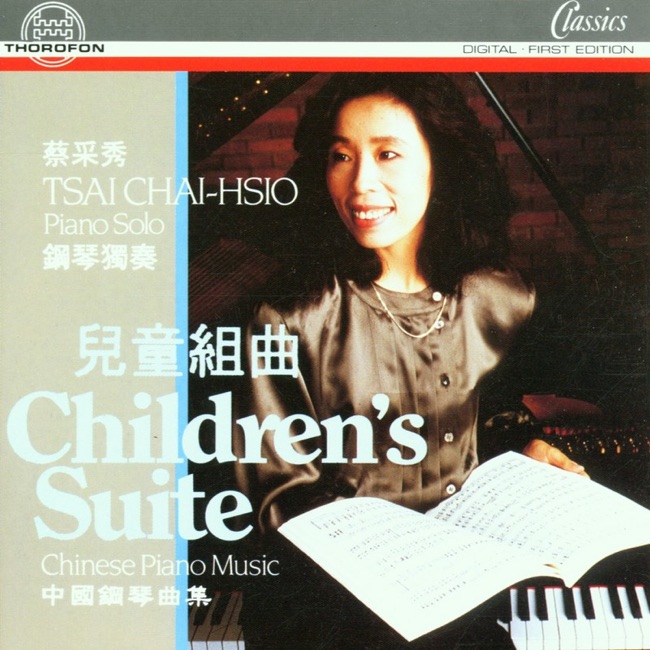 April, 1996
Artist Info
Role:ComposerBirth:1926 in MacauGenre:BandKeyboardDoming Lam (1918-1997) was a Chinese composer who made significant contributions to the world of classical music. Born in Guangdong, China, Lam was the son of a wealthy businessman who encouraged his musical interests from a young age. Lam began studying music at the age of six and showed a natural talent for the piano. He later studied composition at the Shanghai Conservatory of Music, where he was mentored by the renowned composer Xian Xinghai. Lam's early compositions were heavily influenced by Chinese folk music and traditional Chinese opera. He was particularly interested in the use of Chinese instruments in Western classical music and sought to incorporate these instruments into his own compositions. In 1949, Lam moved to Hong Kong, where he continued to compose and perform. He quickly became a prominent figure in the Hong Kong music scene and was known for his innovative use of Chinese instruments in his compositions. One of Lam's most famous works is his "Butterfly Lovers Concerto," which he composed in 1959. The concerto is based on a Chinese legend about two lovers who are separated by a jealous suitor and eventually reunited in death. The piece features a solo violin, which represents the female protagonist, and a solo cello, which represents the male protagonist. The concerto is known for its beautiful melodies and intricate harmonies, and it has become one of the most popular pieces of classical music in China. In addition to the "Butterfly Lovers Concerto," Lam composed a number of other works that combined Western classical music with Chinese folk music. One of his most famous pieces is "Ode to the Red Flag," which he composed in 1958. The piece was written to celebrate the founding of the People's Republic of China and features a large orchestra and choir. The piece is known for its grandeur and patriotic themes, and it has become a staple of Chinese classical music. Lam's compositions were not limited to orchestral works. He also composed a number of chamber music pieces, including several for Chinese instruments. One of his most famous chamber works is his "Three Variations on Plum Blossom," which he composed in 1953. The piece is based on a traditional Chinese melody and features variations for the erhu, a two-stringed Chinese instrument. The piece is known for its virtuosic erhu solos and its beautiful melodies. Throughout his career, Lam was recognized for his contributions to classical music. He was awarded numerous honors, including the Medal of Honor from the Hong Kong government and the Order of the British Empire from the British government. He was also a member of the Chinese People's Political Consultative Conference, a political advisory body in China. Lam continued to compose and perform until his death in 1997. His legacy lives on through his compositions, which continue to be performed and celebrated around the world. His innovative use of Chinese instruments in Western classical music has inspired countless composers and musicians, and his contributions to the world of classical music have cemented his place as one of the most important Chinese composers of the 20th century.More....
Recent Artist Music
Copyright Ⓒ 2013 Davinci Finger. All rights reseved
Service Terms & Policy