


Felix Harold White
Released Album
Chamber
-
 May 13, 2016
 -
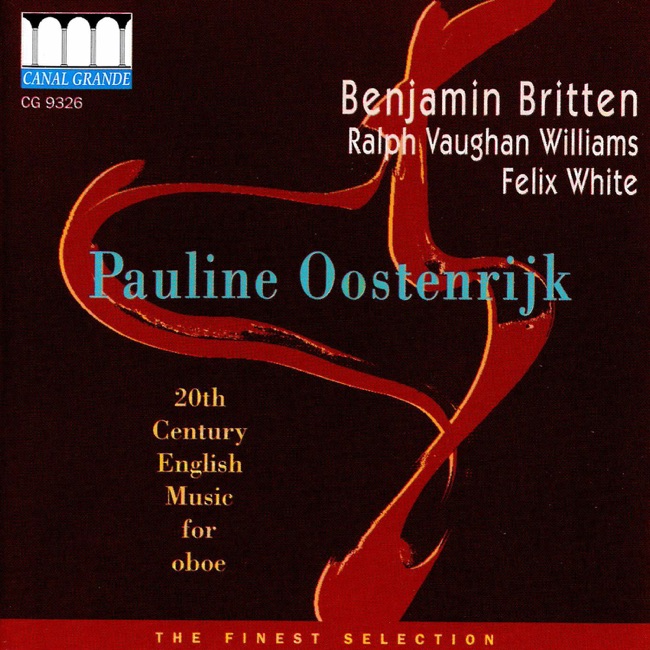 January 1, 2013
 -
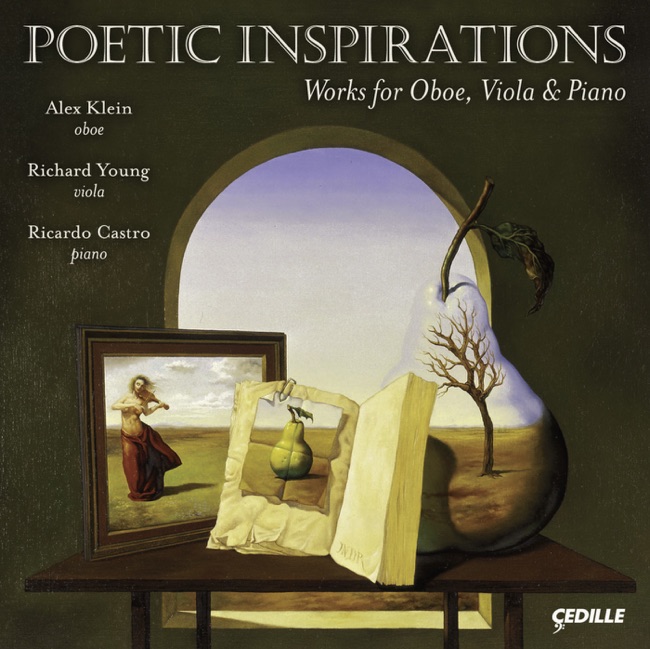 March 11, 2008
Artist Info
Role:ComposerGenre:ChamberFelix Harold White was a renowned classical music composer who was born on June 12, 1925, in London, England. He was the youngest of three children born to a family of musicians. His father was a violinist, and his mother was a pianist. From a young age, Felix showed a keen interest in music and began playing the piano at the age of four. Felix's parents recognized his talent and encouraged him to pursue a career in music. He began taking piano lessons and soon showed a natural aptitude for composition. At the age of 12, he composed his first piece of music, a short piano sonata that impressed his parents and teachers. Felix continued to study music throughout his teenage years, attending the Royal Academy of Music in London. He studied composition under the tutelage of some of the most respected composers of the time, including Benjamin Britten and Michael Tippett. During this time, Felix also began to develop his own unique style of composition, drawing inspiration from a wide range of musical genres, including jazz, folk, and classical music. After completing his studies, Felix began to establish himself as a composer, writing music for a variety of mediums, including orchestral works, chamber music, and film scores. His early works were well-received, and he quickly gained a reputation as a talented and innovative composer. One of Felix's most notable works is his Symphony No. 1, which he composed in 1950. The symphony is a complex and ambitious work that showcases Felix's mastery of orchestration and his ability to create powerful and emotive musical landscapes. The symphony was premiered to critical acclaim and established Felix as one of the leading composers of his generation. Throughout the 1950s and 1960s, Felix continued to compose prolifically, producing a wide range of works that demonstrated his versatility and creativity. He wrote several operas, including The Tempest, which was based on the play by William Shakespeare. He also wrote a number of chamber works, including string quartets and sonatas for various instruments. In addition to his classical compositions, Felix also wrote music for film and television. He composed the score for several popular British films, including The Third Man and The Bridge on the River Kwai. His music for these films was widely praised and helped to establish him as one of the most sought-after film composers of his time. Felix's later works were marked by a more experimental and avant-garde approach to composition. He began to incorporate electronic music and other non-traditional elements into his compositions, creating works that were both challenging and innovative. One of his most notable works from this period is his Symphony No. 5, which features a complex and unconventional structure and incorporates elements of jazz and rock music. Despite his success as a composer, Felix remained humble and dedicated to his craft throughout his life. He continued to compose until his death in 1999, leaving behind a legacy of innovative and influential works that continue to inspire and challenge musicians and audiences alike. In conclusion, Felix Harold White was a gifted and innovative composer who made significant contributions to the world of classical music. His works are characterized by their complexity, emotional depth, and versatility, and continue to be celebrated and performed by musicians around the world.More....
Recent Artist Music
1
8:14
2
8:23
3
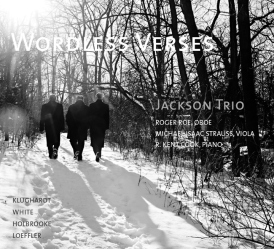
The Nymph's Complaint for the Death of her Fawn
The Nymph's Complaint for the Death of Her Fawn for oboe, viola and piano
8:21
Copyright Ⓒ 2013 Davinci Finger. All rights reseved
Service Terms & Policy