


Timothy Swan
Released Album
Miscellaneous
-
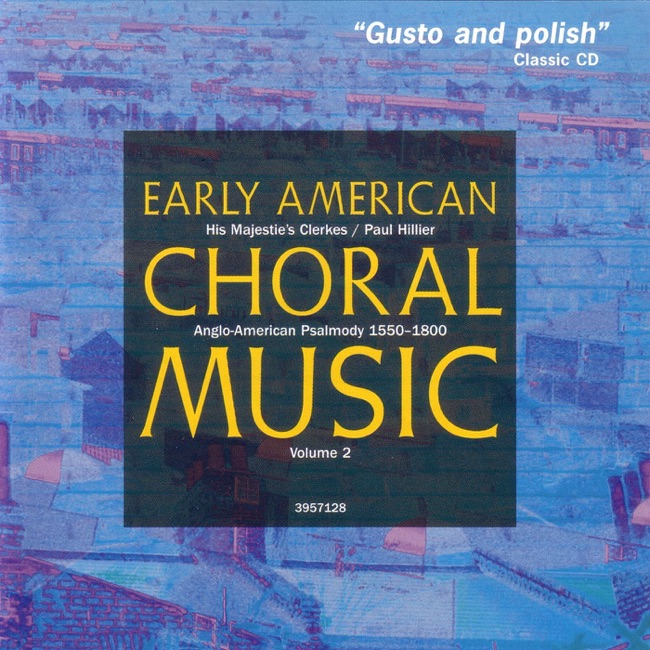 February 1, 2002
 -
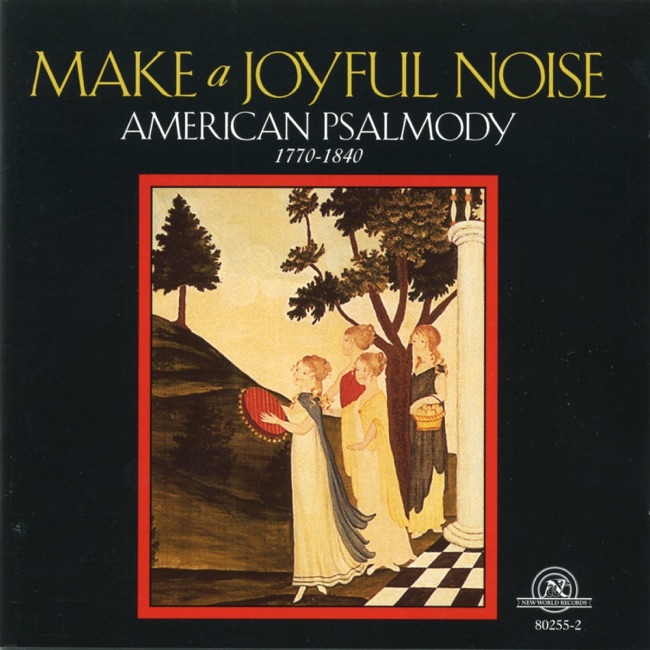 July 16, 1996
Choral
-
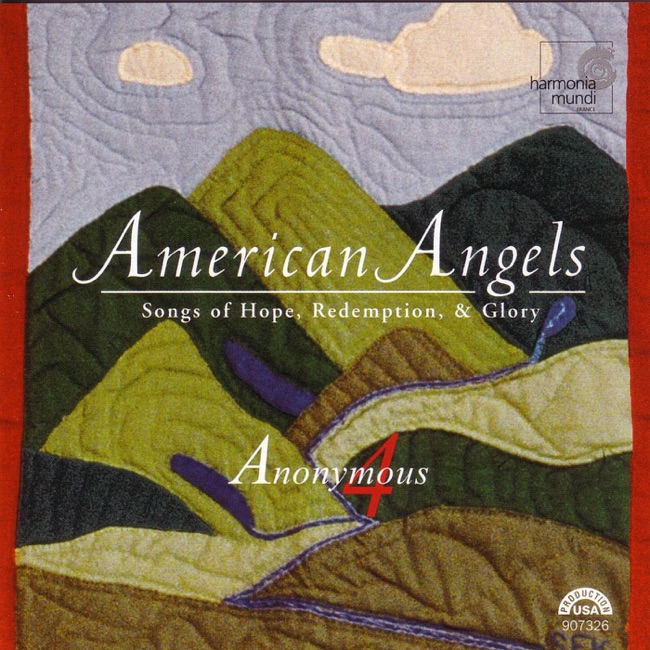 February 10, 2004
 -
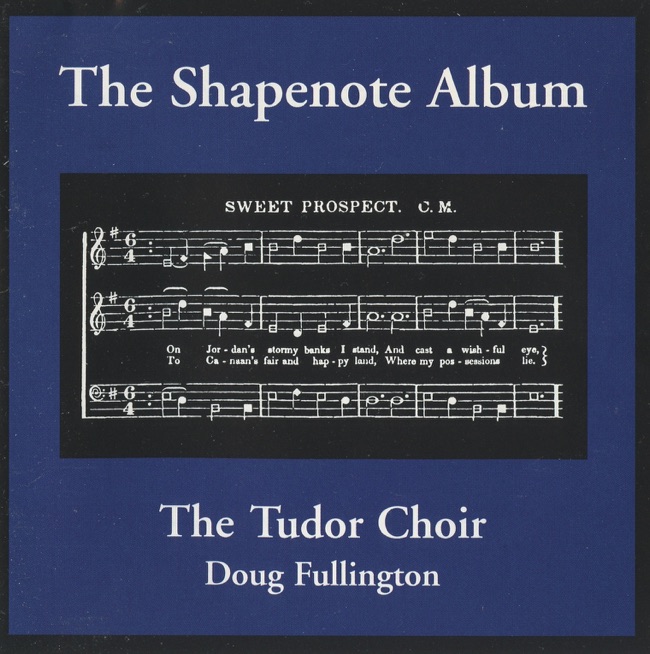 September 4, 2001
Artist Info
Role:ComposerBirth:1758Death:1842Genre:ChoralTimothy Swan was a prominent American composer of the late 18th century. He was born on February 23, 1758, in Worcester, Massachusetts, to a family of musicians. His father, Timothy Swan Sr., was a singing master and composer, and his mother, Mary Swan, was a singer and organist. Timothy Swan Jr. showed an early interest in music and began studying with his father at a young age. Swan's musical education continued when he was sent to study with William Billings, a well-known composer and singing master in Boston. Billings was a major influence on Swan's musical style, and he taught him the principles of harmony and counterpoint. Swan also studied with other prominent musicians of the time, including Samuel Holyoke and Oliver Holden. In 1783, Swan published his first collection of hymns, titled "The New England Harmony." The collection was well-received and established Swan as a composer of note. He continued to publish collections of hymns throughout his career, including "The American Harmony" in 1793 and "The Songster's Assistant" in 1801. Swan's music was characterized by its simplicity and accessibility. He wrote in a style that was easy to sing and play, making his music popular with both amateur and professional musicians. His hymns were often written in four-part harmony, with a melody that was easy to follow and harmonies that were straightforward and pleasing to the ear. One of Swan's most famous works is his hymn "China," which was first published in "The New England Harmony." The hymn is still sung today and is considered a classic of American hymnody. Another well-known hymn by Swan is "Pleyel's Hymn," which was written to the tune of a popular melody by Ignaz Pleyel. In addition to his hymns, Swan also wrote instrumental music, including marches, minuets, and other dance forms. His instrumental music was often used for social occasions, such as balls and parties. One of his most popular instrumental works is his "Federal Overture," which was written to celebrate the ratification of the United States Constitution. Swan's music was widely performed during his lifetime, and he was considered one of the leading composers of his time. His music was particularly popular in New England, where he lived and worked for most of his career. He was also known for his work as a singing master, teaching music to both children and adults. Despite his success as a composer and teacher, Swan struggled financially throughout his life. He often had to rely on the support of his friends and family to make ends meet. In 1796, he was forced to declare bankruptcy, and he spent the rest of his life struggling to make a living. Timothy Swan died on September 29, 1842, at the age of 84. Despite his financial struggles, he left behind a legacy of music that continues to be performed and enjoyed today. His music is an important part of the American musical tradition, and his hymns continue to be sung in churches and other settings around the world.More....
Recent Artist Music
Copyright Ⓒ 2013 Davinci Finger. All rights reseved
Service Terms & Policy