


Jens Hørsving
Released Album
Vocal
-
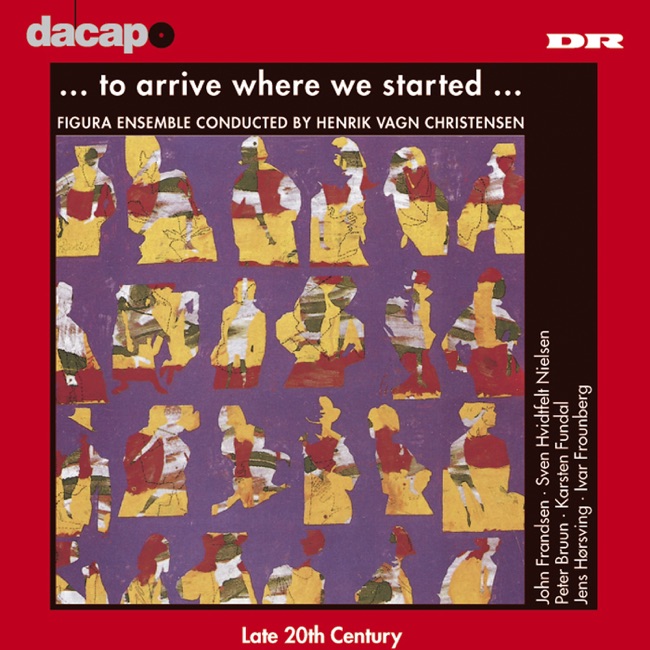 April 11, 2000
Chamber
-
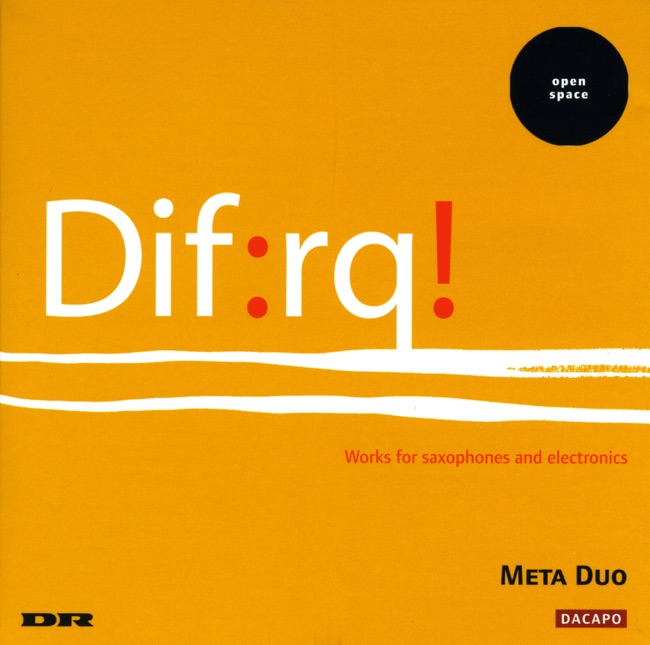 July 31, 2007
Artist Info
Role:ComposerBirth:1969Jens Hørsving was a Danish classical music composer born on May 12, 1925, in Copenhagen, Denmark. He was the son of a music teacher and grew up in a musical family. His father, who was a pianist, introduced him to music at a young age, and he began playing the piano when he was just five years old. Hørsving's early exposure to music sparked his interest in composition, and he began writing his own music when he was a teenager. Hørsving studied music at the Royal Danish Academy of Music in Copenhagen, where he was trained in classical composition and piano performance. He graduated in 1950 and began his career as a composer, pianist, and music teacher. He taught music at various schools in Denmark and also worked as a freelance composer, writing music for orchestras, chamber ensembles, and solo performers. Hørsving's music was influenced by the classical composers of the 18th and 19th centuries, particularly Mozart, Beethoven, and Brahms. His compositions were characterized by their melodic beauty, harmonic richness, and formal elegance. He was known for his ability to write music that was both accessible and sophisticated, appealing to both casual listeners and serious music enthusiasts. Hørsving's early works were primarily for solo piano and chamber ensembles. His Piano Sonata No. 1, written in 1952, was a notable early work that showcased his talent for writing for the piano. The sonata was praised for its lyrical melodies, intricate harmonies, and virtuosic piano writing. Other notable early works include his String Quartet No. 1, written in 1954, and his Sonata for Violin and Piano, written in 1956. In the 1960s, Hørsving began writing larger-scale works for orchestra and choir. His Symphony No. 1, written in 1962, was a major breakthrough for him as a composer. The symphony was praised for its grandeur, emotional depth, and technical mastery. It was performed by several orchestras in Denmark and received critical acclaim. Hørsving's other notable works from the 1960s include his Concerto for Piano and Orchestra, written in 1964, and his Requiem, written in 1968. The concerto was a virtuosic showcase for the piano, featuring complex rhythms, intricate harmonies, and dazzling piano writing. The Requiem was a deeply emotional work that explored themes of death, loss, and redemption. It was performed by several choirs in Denmark and was hailed as a masterpiece of choral music. In the 1970s, Hørsving continued to write music for orchestra and choir, as well as chamber ensembles. His Symphony No. 2, written in 1972, was another major work that showcased his talent for orchestration and formal structure. The symphony was praised for its dramatic intensity, lush harmonies, and powerful emotional impact. Hørsving's other notable works from the 1970s include his Concerto for Violin and Orchestra, written in 1974, and his String Quartet No. 2, written in 1978. The concerto was a virtuosic showcase for the violin, featuring soaring melodies, intricate harmonies, and dazzling violin writing. The String Quartet No. 2 was a complex and challenging work that explored the possibilities of the string quartet form. In the 1980s, Hørsving continued to write music for orchestra, choir, and chamber ensembles. His Symphony No. 3, written in 1982, was a major work that showcased his talent for orchestration and formal structure. The symphony was praised for its lyrical beauty, intricate harmonies, and emotional depth.More....
Recent Artist Music
Copyright Ⓒ 2013 Davinci Finger. All rights reseved
Service Terms & Policy