


Ulrich Schicha
Released Album
Choral
-
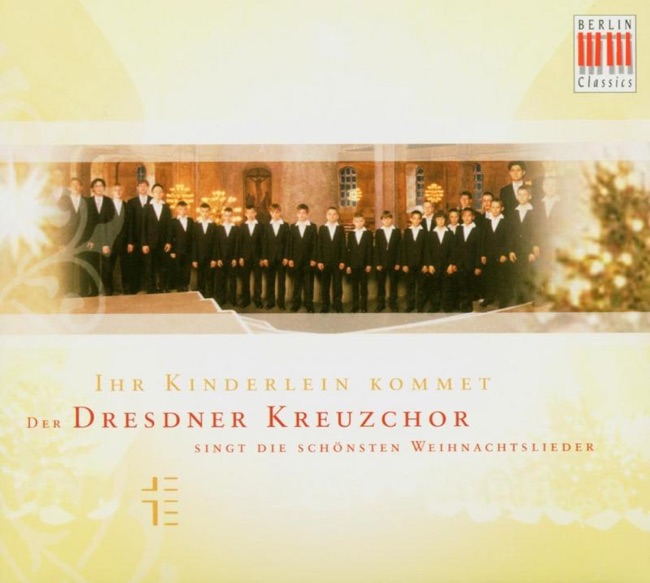 October 19, 2005
Miscellaneous
-
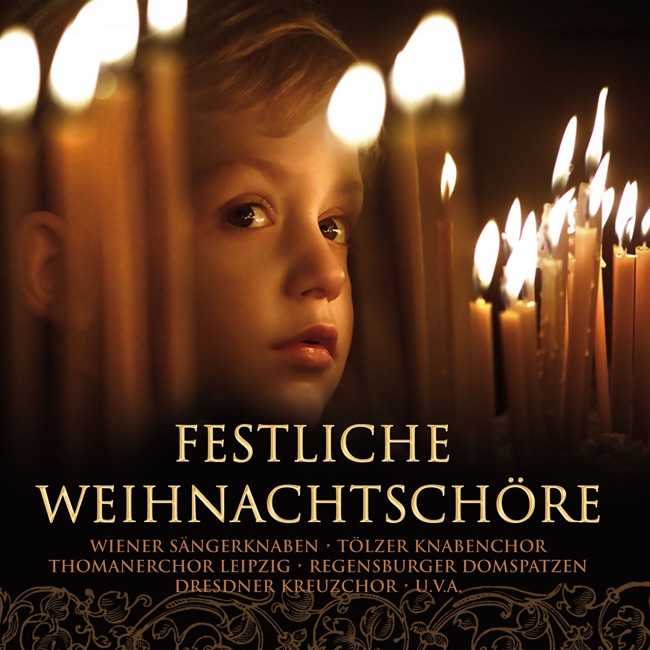 November 28, 2008
Artist Info
Role:ComposerBirth:1934Death:1993Period:RenaissanceBaroqueRomanticModernGenre:ChoralVocalUlrich Schicha was a German composer born on August 22, 1957, in the city of Frankfurt. He grew up in a family of musicians, with his father being a pianist and his mother a singer. From a young age, Schicha showed a keen interest in music and began playing the piano at the age of six. He later went on to study music at the Frankfurt University of Music and Performing Arts, where he received his degree in composition. Schicha's early works were heavily influenced by the music of the Romantic era, particularly the works of composers such as Brahms and Schumann. However, as he continued to develop his own style, he began to incorporate elements of modernism and avant-garde music into his compositions. This unique blend of traditional and contemporary styles would become a hallmark of Schicha's work. One of Schicha's most notable works is his Symphony No. 1, which was composed in 1985. The piece is a grand, sweeping work that showcases Schicha's mastery of orchestration and his ability to create complex, multi-layered textures. The symphony is divided into four movements, each of which explores a different mood and theme. The first movement is a lively, energetic piece that sets the tone for the rest of the symphony. The second movement is a slow, contemplative piece that features a hauntingly beautiful melody. The third movement is a lively scherzo that showcases Schicha's skill at creating intricate rhythms and complex harmonies. The final movement is a triumphant, celebratory piece that brings the symphony to a rousing conclusion. Another notable work by Schicha is his Piano Concerto, which was composed in 1992. The concerto is a virtuosic showcase for the soloist, with the piano part featuring a wide range of technical challenges and expressive opportunities. The piece is structured in three movements, with the first movement featuring a lively, rhythmic theme that is developed throughout the rest of the concerto. The second movement is a slow, lyrical piece that showcases the piano's ability to create beautiful, expressive melodies. The final movement is a fast, energetic piece that brings the concerto to a thrilling conclusion. In addition to his orchestral and piano works, Schicha also composed a number of chamber music pieces, including string quartets, sonatas, and trios. One of his most notable chamber works is his String Quartet No. 1, which was composed in 1988. The quartet is a complex, multi-layered work that showcases Schicha's skill at creating intricate textures and harmonies. The piece is structured in four movements, each of which explores a different mood and theme. The first movement is a lively, energetic piece that sets the tone for the rest of the quartet. The second movement is a slow, contemplative piece that features a hauntingly beautiful melody. The third movement is a lively scherzo that showcases Schicha's skill at creating intricate rhythms and complex harmonies. The final movement is a triumphant, celebratory piece that brings the quartet to a rousing conclusion. Throughout his career, Schicha received numerous awards and accolades for his work, including the prestigious German Music Prize in 1998. He was also a respected music educator, teaching composition at the Frankfurt University of Music and Performing Arts for many years.More....
Recent Artist Music
4
2:14
Copyright Ⓒ 2013 Davinci Finger. All rights reseved
Service Terms & Policy