


Angel E. Lasala
Released Album
Chamber
-
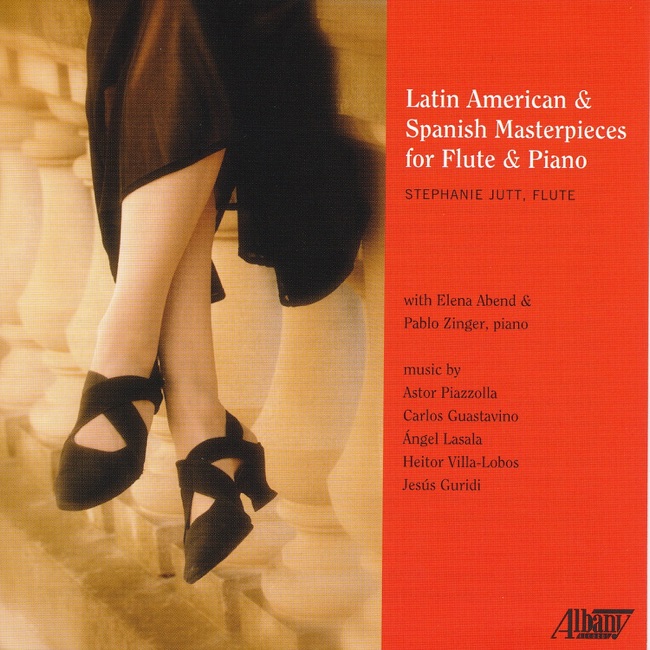 April 12, 2016
 -
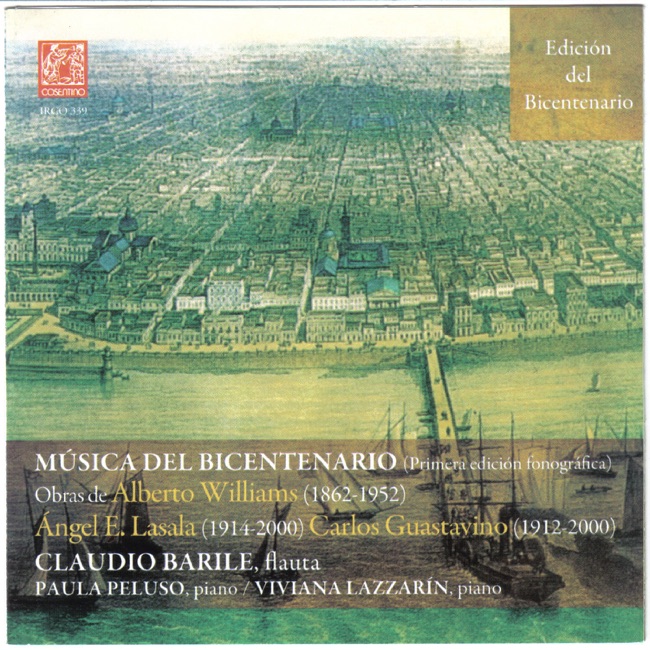 April 10, 2011
 -
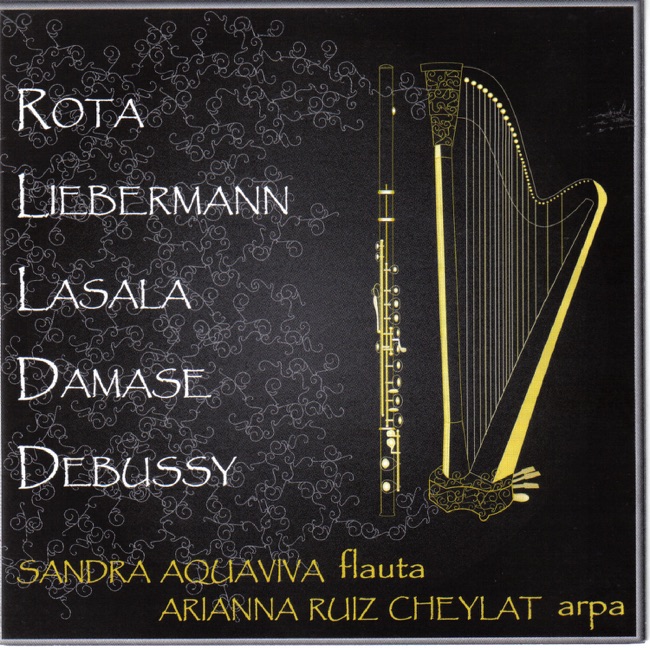 June 10, 2009
 -
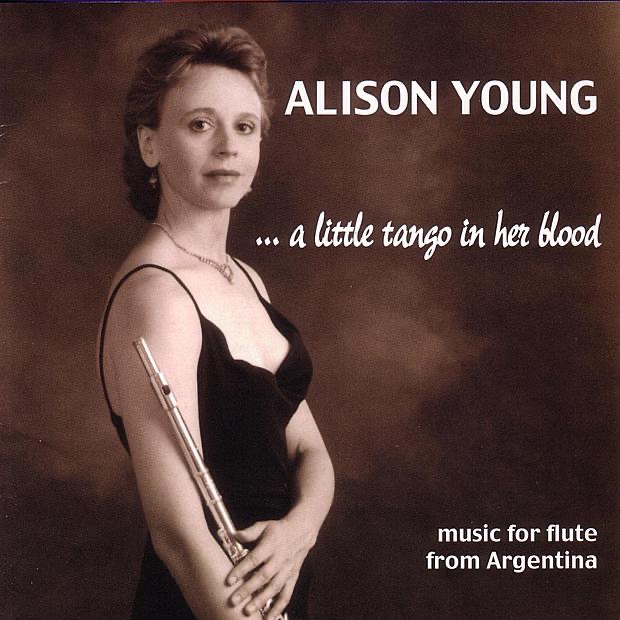 November 28, 2000
 -
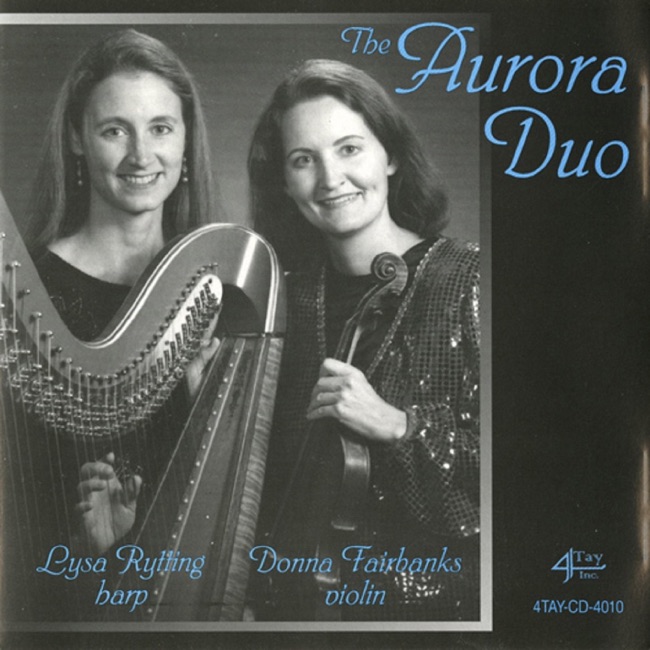 May 23, 2000
 -
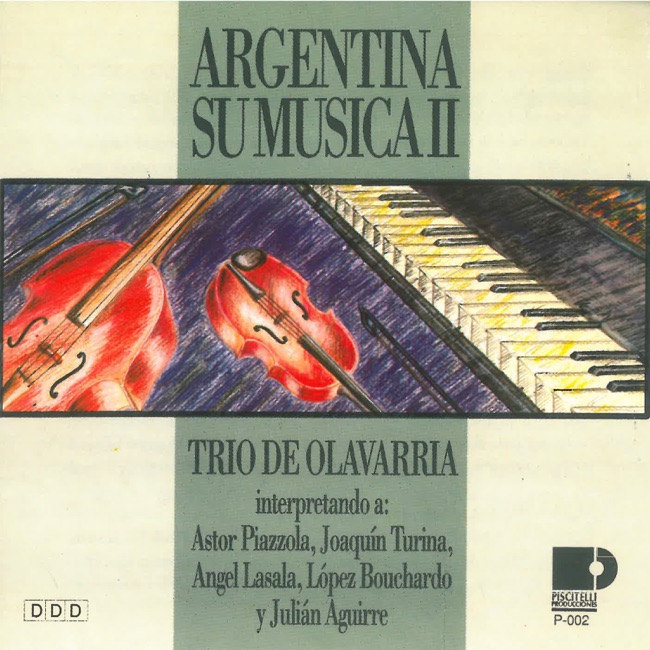 November 15, 1992
Artist Info
Role:ComposerBirth:1914Death:2000Period:ModernGenre:ChamberAngel E. Lasala was a prominent Argentine composer of classical music, known for his innovative and experimental approach to composition. Born on August 7, 1900, in Buenos Aires, Lasala was the son of a Spanish immigrant father and an Argentine mother. From a young age, he showed a keen interest in music and began studying piano and composition at the National Conservatory of Music in Buenos Aires. Lasala's early compositions were heavily influenced by the European classical tradition, particularly the works of Bach, Beethoven, and Mozart. However, he soon began to experiment with new forms and techniques, incorporating elements of jazz, folk music, and avant-garde styles into his compositions. In 1925, Lasala traveled to Paris to study with the renowned composer Nadia Boulanger. During his time in Paris, he was exposed to the latest trends in modernist music, including the works of Stravinsky, Schoenberg, and Webern. This experience had a profound impact on Lasala's music, and he began to incorporate more dissonant harmonies and complex rhythms into his compositions. Upon returning to Argentina, Lasala quickly established himself as one of the country's leading composers. He was a founding member of the Grupo Renovación, a collective of composers and musicians who sought to promote new and experimental music in Argentina. Lasala's works were performed at numerous concerts and festivals throughout the country, and he received several awards and honors for his contributions to Argentine music. One of Lasala's most significant works is his Symphony No. 1, which he composed in 1933. The symphony is a bold and innovative work that incorporates elements of jazz and Argentine folk music into a classical symphonic structure. The piece was well-received by audiences and critics alike and helped establish Lasala as a leading figure in the Argentine music scene. Another notable work by Lasala is his Suite Argentina, which he composed in 1940. The suite is a collection of five pieces that showcase Lasala's unique blend of classical and folk music. The pieces are based on traditional Argentine rhythms and melodies, but are arranged in a way that highlights their complexity and sophistication. Throughout his career, Lasala continued to push the boundaries of classical music, experimenting with new forms and techniques. He was particularly interested in the use of electronic music, and in the 1950s, he began to incorporate electronic sounds into his compositions. This was a groundbreaking approach at the time, and Lasala's work in this area helped pave the way for the development of electronic music in Argentina. Lasala's contributions to Argentine music were recognized with numerous awards and honors throughout his career. In 1950, he was awarded the National Prize for Music, the highest honor for a musician in Argentina. He was also a member of the Argentine Academy of Fine Arts and a professor of composition at the National Conservatory of Music. Angel E. Lasala passed away on December 28, 1958, at the age of 58. His legacy as a pioneering composer of classical music in Argentina lives on, and his works continue to be performed and studied by musicians and music lovers around the world.More....
Recent Artist Music
Copyright Ⓒ 2013 Davinci Finger. All rights reseved
Service Terms & Policy