


Maximilian Steinberg
Released Album
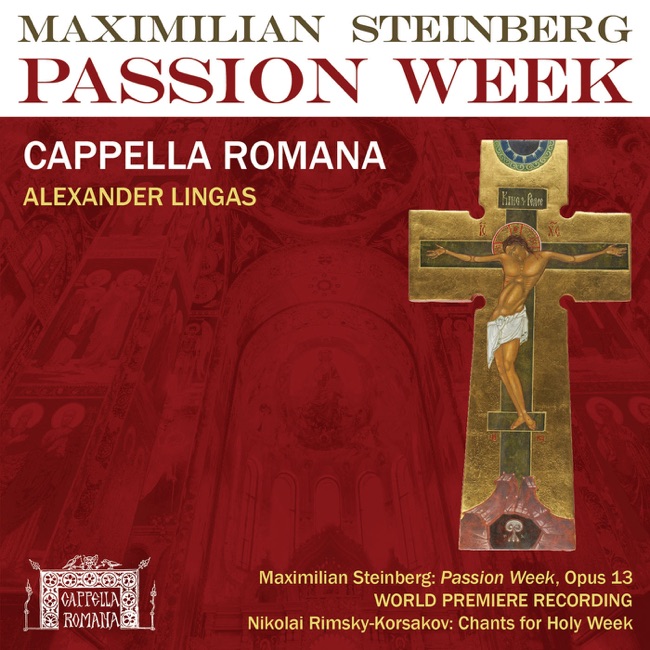
Choral
-
 May 12, 2017
 -
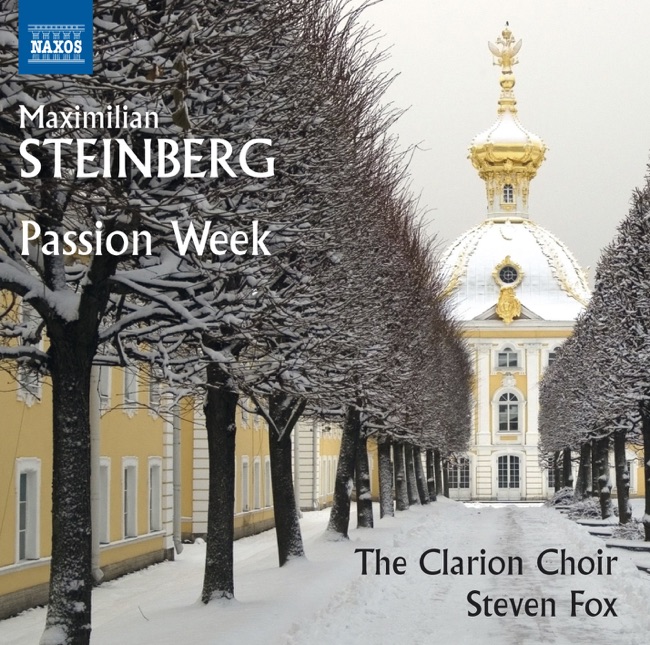 August 12, 2016
 -
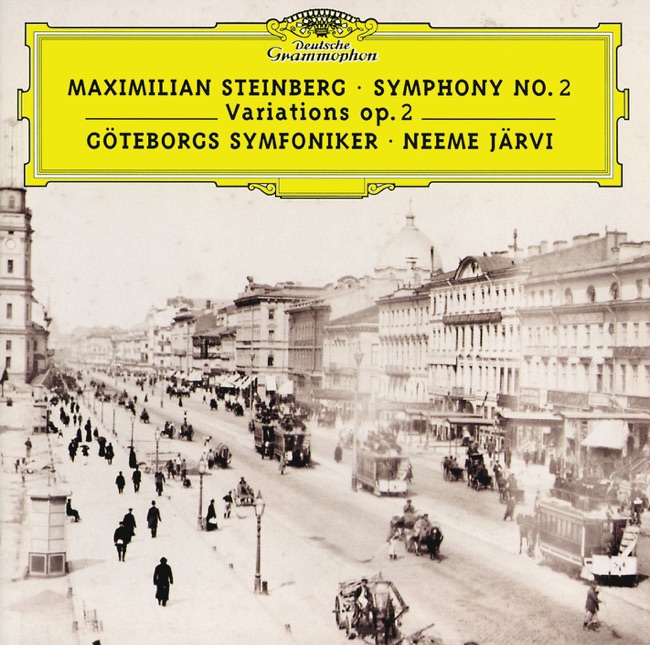
Orchestral
-
 August 13, 2001
Artist Info
Role:ComposerCountry: RussiaBirth:July 4, 1883 in Vilnius, LithuaniaDeath:December 6, 1946 in St. Petersburg, RussiaPeriod:RomanticModernGenre:OperaMaximilian Steinberg was a Russian composer born on April 8, 1883, in Vilnius, Lithuania. He was the son of a German father and a Russian mother. Steinberg's father was a conductor and composer, and his mother was a pianist. Steinberg grew up in a musical family and began his musical education at a young age. Steinberg studied at the St. Petersburg Conservatory, where he was a student of Nikolai Rimsky-Korsakov. Rimsky-Korsakov was a prominent composer and teacher, and he had a significant influence on Steinberg's musical style. Steinberg also studied with Anatoly Lyadov, another prominent Russian composer. Steinberg's early works were heavily influenced by Rimsky-Korsakov's style, but he later developed his own unique style. Steinberg's music was characterized by its rich harmonies, lush orchestration, and use of Russian folk melodies. One of Steinberg's most significant works is his Symphony No. 1 in D minor, Op. 4. The symphony was composed in 1909 and premiered in 1911. The symphony is a large-scale work that showcases Steinberg's mastery of orchestration and his ability to create powerful and emotional music. The symphony is divided into four movements and features a wide range of musical themes and motifs. Another notable work by Steinberg is his opera, The Voyevoda, Op. 3. The opera was composed in 1906 and premiered in 1910. The opera is based on a play by Alexander Pushkin and tells the story of a Russian nobleman who is haunted by the ghost of a man he killed. The opera is notable for its use of Russian folk melodies and its dramatic and emotional music. Steinberg also composed a number of choral works, including his Passion Week, Op. 13. The work is a setting of the Russian Orthodox liturgy for Holy Week and Easter. The work is notable for its use of traditional Russian chant and its powerful and emotional music. In addition to his work as a composer, Steinberg was also a teacher. He taught at the Leningrad Conservatory from 1922 until his death in 1946. Steinberg's students included some of the most prominent composers of the Soviet era, including Dmitri Shostakovich and Sergei Prokofiev. Despite his significant contributions to Russian music, Steinberg's music fell out of favor during the Soviet era. His music was considered too "Western" and was not promoted by the Soviet government. However, in recent years, there has been a renewed interest in Steinberg's music, and his works are now being performed and recorded more frequently. In conclusion, Maximilian Steinberg was a Russian composer who made significant contributions to the world of classical music. His music was characterized by its rich harmonies, lush orchestration, and use of Russian folk melodies. Steinberg's Symphony No. 1 in D minor, Op. 4, his opera, The Voyevoda, Op. 3, and his choral work, Passion Week, Op. 13, are among his most significant works. Steinberg's legacy as a composer and teacher continues to be felt today, and his music is now being rediscovered and appreciated by a new generation of music lovers.More....
Recent Artist Music
1
31
2
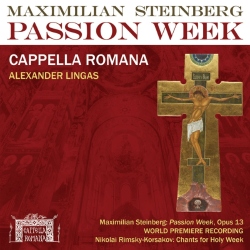
Passion Week, Op.13
From the Vesperal Divine Liturgy of Great Thursday. Great Entrance and Communion Chant: Of your mystical supper (Znamenny chant)
4:43



Copyright Ⓒ 2013 Davinci Finger. All rights reseved
Service Terms & Policy