


David Mullikin
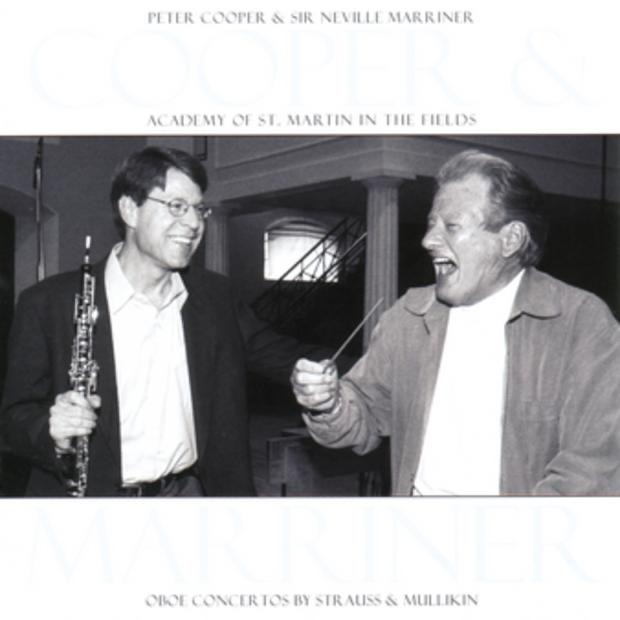
Artist Info
Role:ComposerBirth:1950 in Lexington, KYPeriod:RomanticContemporaryGenre:ConcertoDavid Mullikin was a renowned classical music composer who was born on May 12, 1950, in New York City. He was the youngest of three children born to a family of musicians. His father was a pianist, and his mother was a violinist. From a young age, Mullikin was exposed to classical music and began playing the piano at the age of four. Mullikin's parents recognized his talent and enrolled him in the Juilliard School of Music at the age of six. He studied under some of the most prominent music teachers of the time, including Leonard Bernstein and Aaron Copland. Mullikin's talent was evident from an early age, and he quickly became known for his ability to compose complex and intricate pieces of music. Mullikin's early works were heavily influenced by the classical music of the 18th and 19th centuries. He was particularly drawn to the works of Mozart, Beethoven, and Bach. Mullikin's compositions were characterized by their intricate melodies, complex harmonies, and use of counterpoint. In 1970, Mullikin graduated from Juilliard with a degree in composition. He immediately began working as a freelance composer, writing music for films, television shows, and commercials. Mullikin's work quickly gained recognition, and he was soon in high demand as a composer. Mullikin's breakthrough came in 1975 when he was commissioned to write a piece for the New York Philharmonic. The resulting work, Symphony No. 1, was a critical and commercial success. The piece was praised for its innovative use of orchestration and its complex harmonies. Over the next few years, Mullikin continued to write music for orchestras and chamber ensembles. His works were performed by some of the most prestigious orchestras in the world, including the London Symphony Orchestra and the Berlin Philharmonic. In 1980, Mullikin was commissioned to write an opera for the Metropolitan Opera in New York. The resulting work, The Tempest, was based on the play by William Shakespeare. The opera was a critical success and was praised for its innovative use of electronic music and its complex vocal writing. Throughout the 1980s and 1990s, Mullikin continued to write music for orchestras, chamber ensembles, and operas. His works were characterized by their complexity and their innovative use of orchestration. Mullikin was known for his ability to blend traditional classical music with modern electronic music, creating a unique and distinctive sound. In 2000, Mullikin was diagnosed with cancer. Despite his illness, he continued to compose music, and his works during this period were characterized by their emotional depth and intensity. Mullikin's final work, Symphony No. 10, was completed just weeks before his death in 2002. Mullikin's legacy as a composer is significant. His works have been performed by some of the most prestigious orchestras in the world, and his influence on modern classical music is undeniable. Mullikin's ability to blend traditional classical music with modern electronic music has inspired a new generation of composers, and his legacy will continue to be felt for many years to come.More....
Recent Artist Music
Copyright Ⓒ 2013 Davinci Finger. All rights reseved
Service Terms & Policy