


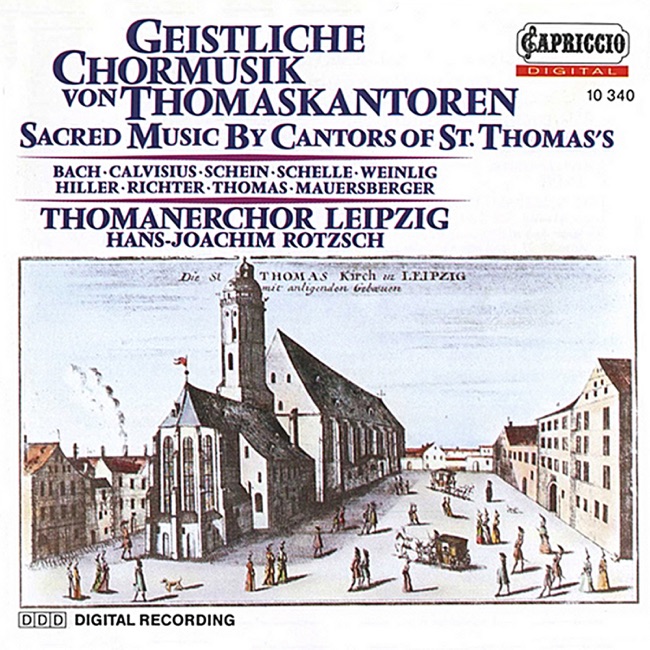
Christian Theodor Weinlig
Artist Info
Role:ComposerCountry: GermanyBirth:July 25, 1780 in Dresden, GermanyDeath:March 7, 1842 in Leipzig, GermanyPeriod:RomanticGenre:ChoralChristian Theodor Weinlig was a German composer, conductor, and music teacher who lived during the 18th and 19th centuries. He was born on May 25, 1780, in Leipzig, Germany, and died on March 7, 1842, in Dresden, Germany. Weinlig was a prominent figure in the German classical music scene, and his contributions to the field have been recognized and celebrated for centuries. Weinlig was born into a family of musicians, and his father, Johann Weinlig, was a cantor and music teacher. From a young age, Weinlig showed a keen interest in music, and his father recognized his talent and began teaching him music theory and composition. Weinlig's father was a strict teacher, and he demanded a high level of discipline and dedication from his son. However, Weinlig was a diligent student, and he quickly developed his skills as a composer and musician. In 1794, Weinlig began studying at the Thomasschule in Leipzig, where he received a comprehensive education in music theory, composition, and performance. The Thomasschule was one of the most prestigious music schools in Germany, and it was known for producing some of the most talented musicians and composers of the time. Weinlig's time at the Thomasschule was a formative period in his life, and he developed a deep appreciation for classical music and the works of composers such as Johann Sebastian Bach and George Frideric Handel. After completing his studies at the Thomasschule, Weinlig began working as a music teacher and conductor. He held several positions throughout his career, including the position of cantor at the Kreuzkirche in Dresden and the position of music director at the Leipzig Opera. Weinlig was known for his exceptional skills as a conductor, and he was highly respected by his peers and students. Weinlig's compositions were heavily influenced by the works of Bach and Handel, and he was known for his use of counterpoint and fugue in his compositions. His works were characterized by their complexity and technical skill, and they were often performed by some of the most talented musicians of the time. Some of Weinlig's most famous works include his Mass in C Major, his Requiem in D Minor, and his Sonata for Piano and Violin. Weinlig's Mass in C Major is one of his most celebrated works, and it is considered to be one of the finest examples of classical choral music. The Mass was composed in 1815, and it was first performed in Leipzig in 1816. The Mass is a complex and intricate work, and it features a large choir, soloists, and an orchestra. The work is divided into several sections, including the Kyrie, Gloria, Credo, Sanctus, and Agnus Dei. The Mass is known for its beautiful melodies, intricate harmonies, and powerful choral sections. Weinlig's Requiem in D Minor is another one of his most famous works, and it is considered to be one of the finest examples of classical requiem music. The Requiem was composed in 1820, and it was first performed in Leipzig in 1821. The Requiem is a somber and reflective work, and it features a large choir, soloists, and an orchestra. The work is divided into several sections, including the Introit, Kyrie, Gradual, Tract, Sequence, Offertory, Sanctus, Agnus Dei, and Communion. The Requiem is known for its haunting melodies, intricate harmonies, and powerful choral sections. Weinlig's Sonata for Piano and Violin is one of his most famous instrumental works, and it is considered to be one of the finest examples of classical chamber music.More....
Recent Artist Music
Copyright Ⓒ 2013 Davinci Finger. All rights reseved
Service Terms & Policy