


Jorge Torres Sáenz
Released Album
Chamber
-
 April 27, 2011
 -
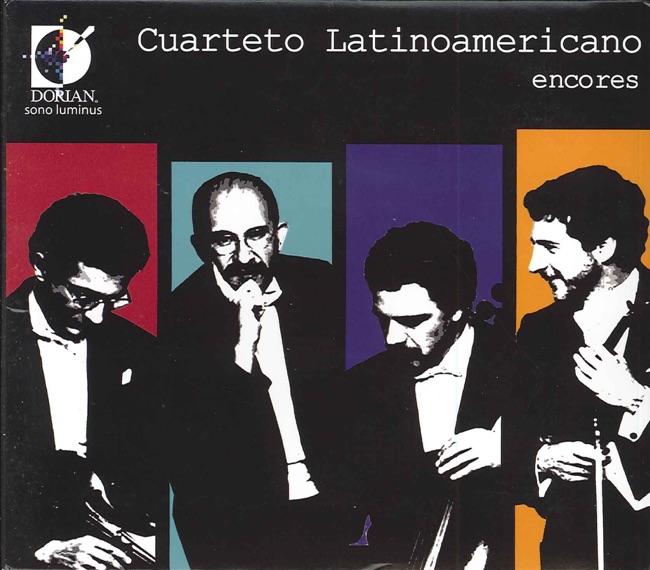 April 27, 2010
Artist Info
Role:ComposerJorge Torres Sáenz was a Mexican classical music composer born on January 1, 1950, in Mexico City. He was the youngest of three siblings and grew up in a family that valued music and the arts. His father was a painter, and his mother was a pianist who taught him how to play the piano at a young age. As a child, Sáenz showed a natural talent for music, and his parents encouraged him to pursue his passion. He began composing his own music when he was just 12 years old and continued to hone his skills throughout his teenage years. He studied music theory and composition at the National Conservatory of Music in Mexico City and later went on to earn a degree in music composition from the University of Mexico. Sáenz's early works were heavily influenced by the classical music of Europe, particularly the works of Mozart, Beethoven, and Bach. However, he also drew inspiration from the traditional music of Mexico and incorporated elements of folk music into his compositions. One of Sáenz's most notable works is his Symphony No. 1, which he composed in 1975. The symphony is a four-movement piece that showcases Sáenz's mastery of orchestration and his ability to blend traditional Mexican music with classical European styles. The symphony was well-received by audiences and critics alike and helped establish Sáenz as one of Mexico's most promising young composers. In the years that followed, Sáenz continued to compose music that blended traditional Mexican music with classical European styles. He also began to experiment with new forms and techniques, incorporating electronic music and avant-garde elements into his compositions. One of Sáenz's most experimental works is his piece "Música para un Espacio," which he composed in 1982. The piece is a multimedia work that combines live music with electronic sounds and visual projections. It was performed at the National Museum of Anthropology in Mexico City and was hailed as a groundbreaking work of art. Sáenz's later works continued to push the boundaries of classical music, incorporating elements of jazz, rock, and world music into his compositions. He also began to explore themes of social justice and political activism in his music, using his art to speak out against injustice and oppression. One of Sáenz's most politically charged works is his piece "Canto a la Libertad," which he composed in 1994. The piece is a choral work that celebrates the struggle for freedom and democracy in Mexico and other parts of the world. It was performed at the National Palace in Mexico City and was hailed as a powerful statement of artistic and political freedom. Throughout his career, Sáenz received numerous awards and honors for his contributions to classical music. He was awarded the National Prize for Arts and Sciences in 1998 and was named a National Artist of Mexico in 2002. He also served as the director of the National Conservatory of Music in Mexico City from 2000 to 2004. Sadly, Sáenz passed away on December 31, 2010, at the age of 60. However, his legacy as one of Mexico's most innovative and influential composers lives on through his music. His works continue to be performed and celebrated by musicians and audiences around the world, and his contributions to classical music will be remembered for generations to come.More....
Recent Artist Music
2

7:3
Copyright Ⓒ 2013 Davinci Finger. All rights reseved
Service Terms & Policy