


Gunnar Berg
Released Album
Chamber
-
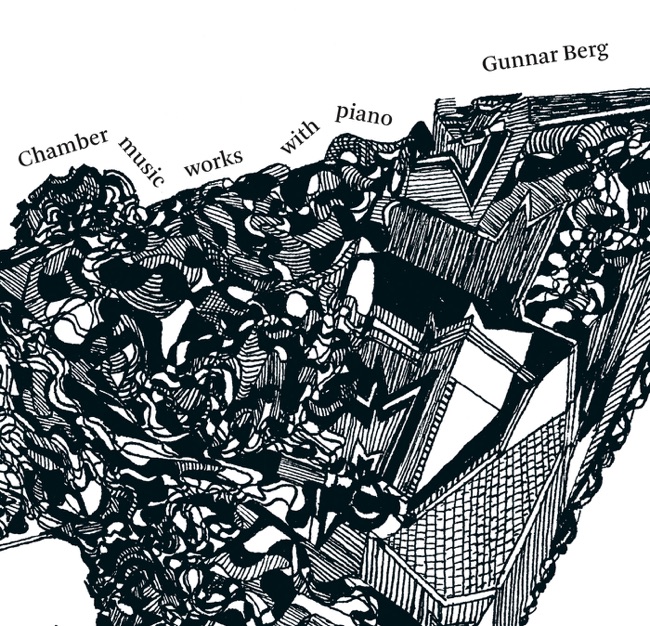 January 30, 2012
 -
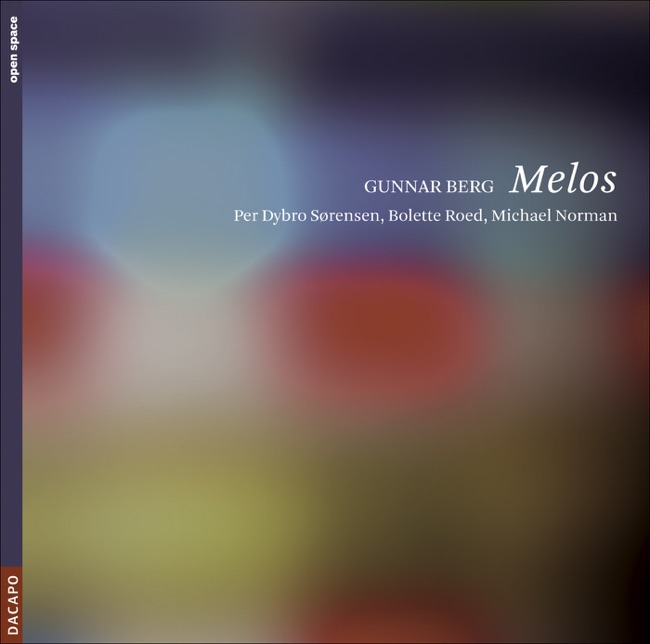 July 28, 2009
 -
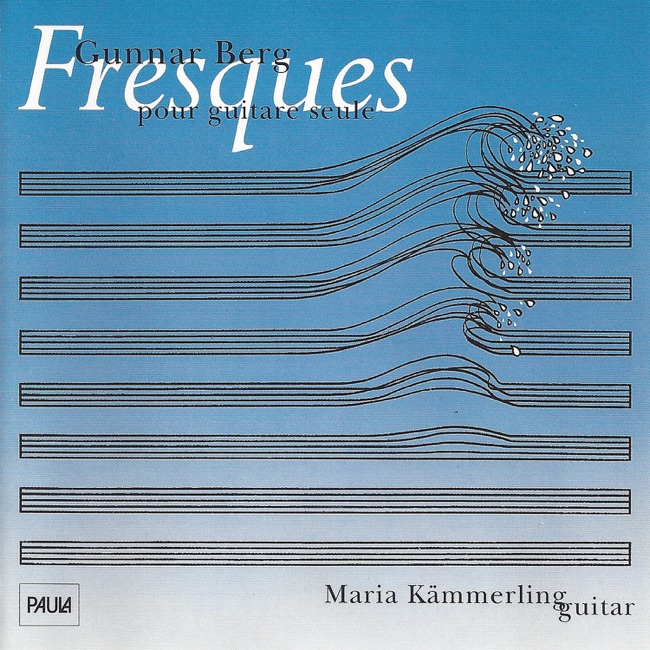
Keyboard
-
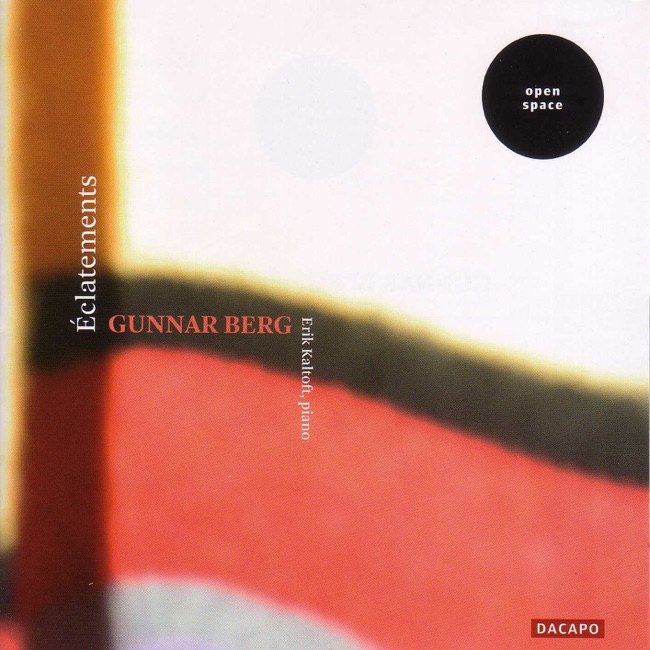 October 30, 2007
 -
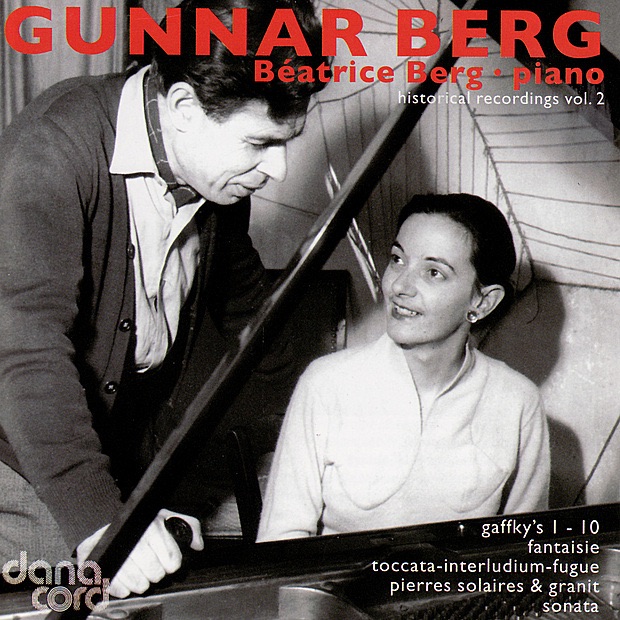 May 30, 2006
 -
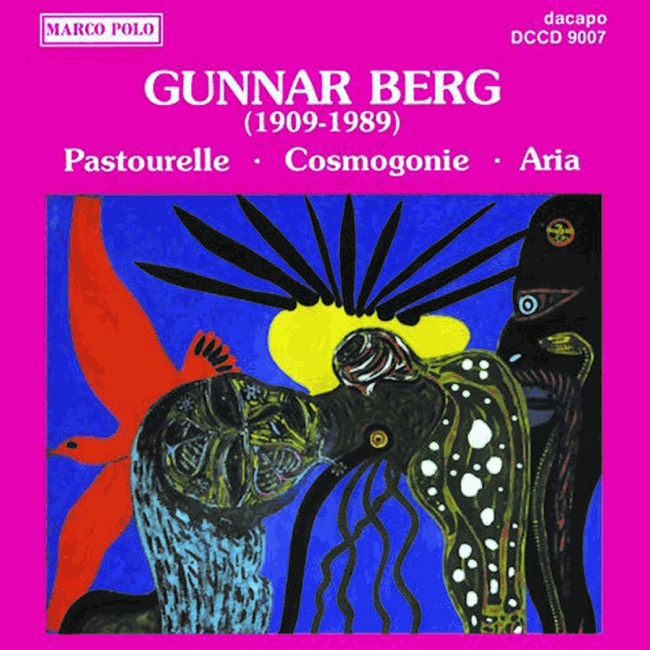 December 3, 1993
Artist Info
Role:ComposerCountry: DenmarkBirth:January 11, 1909 in St. Gall, SwitzerlandDeath:1989Period:ModernGenre:ChamberKeyboardGunnar Berg was a Swedish composer who was born on October 21, 1909, in Stockholm, Sweden. He was the son of a music teacher and grew up in a musical family. His father, Olof Berg, was a well-known composer and conductor, and his mother, Anna Berg, was a pianist. Gunnar Berg showed an early interest in music and began playing the piano at a young age. Berg studied music at the Royal College of Music in Stockholm, where he was a student of Ernst Ellberg and Hilding Rosenberg. He also studied composition with Alban Berg in Vienna and with Nadia Boulanger in Paris. Berg's early works were influenced by the Second Viennese School, particularly the music of Alban Berg and Anton Webern. Berg's first major work was his String Quartet No. 1, which he composed in 1931. The quartet was well-received and established Berg as a promising young composer. He continued to compose chamber music throughout his career, including several string quartets, a piano trio, and a wind quintet. In the 1940s, Berg's music began to shift away from the atonal style of the Second Viennese School and towards a more tonal and lyrical style. This change was influenced by his interest in Swedish folk music and his desire to create music that was more accessible to audiences. One of Berg's most famous works is his Symphony No. 1, which he composed in 1947. The symphony is a large-scale work that showcases Berg's new tonal style. It is characterized by lush harmonies, memorable melodies, and a sense of emotional depth. The symphony was well-received and established Berg as one of Sweden's leading composers. Berg continued to compose throughout the 1950s and 1960s, producing a wide range of works in various genres. He composed several operas, including "The Singing Tree" and "The Golden Horns," as well as numerous orchestral works, choral works, and songs. One of Berg's most notable works from this period is his "Sinfonia Concertante," which he composed in 1950. The work is a concerto for violin, cello, and orchestra and is characterized by its virtuosic solo parts and lush orchestration. The "Sinfonia Concertante" has become one of Berg's most popular works and is frequently performed by orchestras around the world. Berg's later works continued to explore tonal and lyrical styles, but also incorporated elements of serialism and other modernist techniques. He remained active as a composer until his death in 1987, leaving behind a large and diverse body of work. In addition to his work as a composer, Berg was also a respected music educator. He taught at the Royal College of Music in Stockholm and was a mentor to many young composers. He was also a member of the Swedish Academy of Music and served as its president from 1964 to 1970. Overall, Gunnar Berg was a significant figure in Swedish music and a composer of great talent and versatility. His music reflects his deep love of Swedish folk music and his desire to create music that was both accessible and emotionally powerful. His legacy continues to be felt in the world of classical music, and his works remain an important part of the repertoire.More....
Copyright Ⓒ 2013 Davinci Finger. All rights reseved
Service Terms & Policy