


Joseph Weigl
Released Album
Opera
-
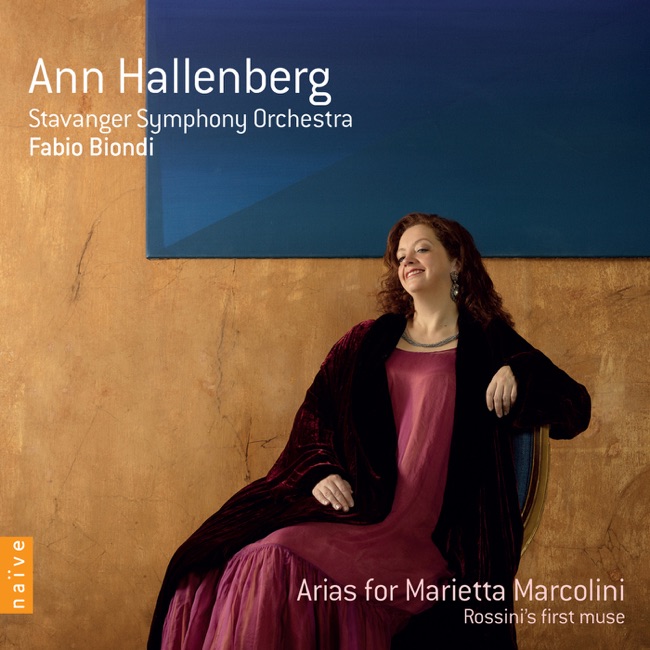 September 25, 2012
 -
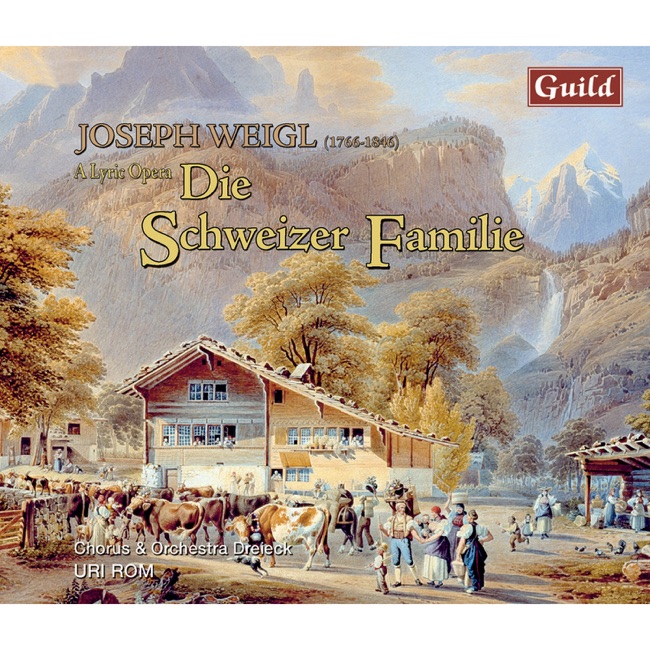 July 18, 2006
Vocal
-
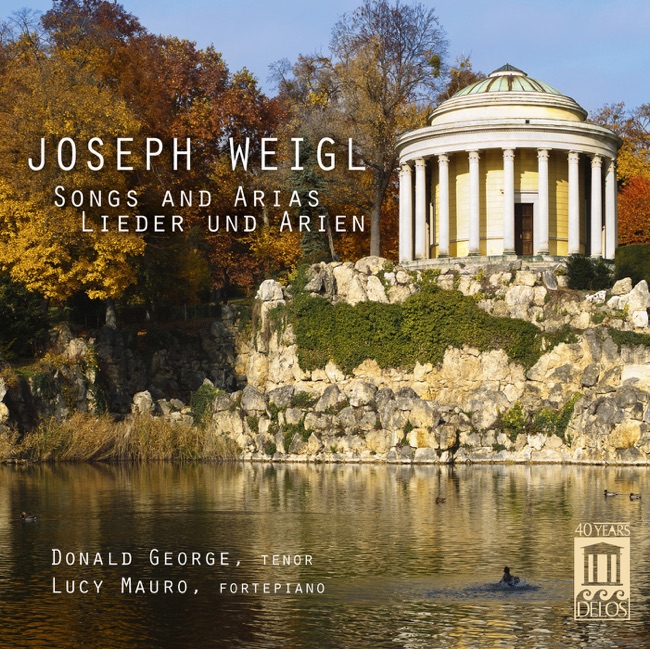 July 30, 2013
Artist Info
Role:ComposerCountry: AustriaBirth:March 28, 1766Death:February 3, 1846Period:RomanticGenre:ConcertoJoseph Weigl was a prominent classical music composer of the late 18th and early 19th centuries. He was born on March 28, 1766, in Eisenstadt, Austria, to a family of musicians. His father, Joseph Franz Weigl, was a court musician and composer, and his mother, Maria Theresia, was a singer. Joseph Weigl showed an early interest in music and began his musical education at a young age. Weigl's musical education began with his father, who taught him the basics of music theory and composition. He then studied with the renowned composer Johann Georg Albrechtsberger, who was a teacher of many famous composers, including Ludwig van Beethoven. Albrechtsberger taught Weigl counterpoint and harmony, which would become essential skills in his future compositions. In 1788, Weigl moved to Vienna, where he began his career as a composer. He quickly gained recognition for his talent and was appointed as the conductor of the Theater auf der Wieden, where he composed many operas and other works. In 1792, he became the Kapellmeister of the Kärntnertor Theater, one of the most prestigious positions in Vienna's musical scene. Weigl's compositions were highly regarded during his lifetime, and he was considered one of the leading composers of his time. He composed a wide range of works, including operas, symphonies, chamber music, and vocal music. His operas were particularly popular, and he composed over 30 of them during his career. One of Weigl's most famous operas is "Die Schweizerfamilie," which premiered in 1794. The opera tells the story of a Swiss family who must defend their homeland against an invading army. The opera was a huge success and was performed throughout Europe. Another famous opera by Weigl is "L'amor marinaro," which premiered in 1797. The opera is a comic opera that tells the story of a sailor who falls in love with a wealthy woman. Weigl's symphonies were also highly regarded, and he composed eight of them during his career. His Symphony No. 6 in G minor is particularly notable for its use of the clarinet, which was a relatively new instrument at the time. The symphony was well-received and was performed throughout Europe. In addition to his operas and symphonies, Weigl composed a significant amount of chamber music. He composed several string quartets, including his String Quartet No. 1 in C major, which is considered one of his best works. He also composed several piano sonatas, including his Sonata No. 1 in C major, which is a virtuosic work that showcases the pianist's technical abilities. Weigl's vocal music was also highly regarded, and he composed several songs and choral works. His "Missa Sancti Ferdinandi" is a choral work that was composed in honor of the Holy Roman Emperor Ferdinand III. The work is notable for its use of brass instruments, which were rarely used in choral music at the time. Weigl's compositions were highly regarded during his lifetime, and he was considered one of the leading composers of his time. However, his music fell out of favor after his death, and he was largely forgotten for many years. It was not until the 20th century that his music began to be rediscovered and performed again. Today, Weigl's music is recognized for its beauty and originality. His operas are particularly notable for their dramatic power and emotional depth, and his symphonies and chamber music are admired for their technical skill and musicality.More....
Recent Artist Music
3
2:6
Copyright Ⓒ 2013 Davinci Finger. All rights reseved
Service Terms & Policy