


Jan Tausinger
Released Album
Chamber
Artist Info
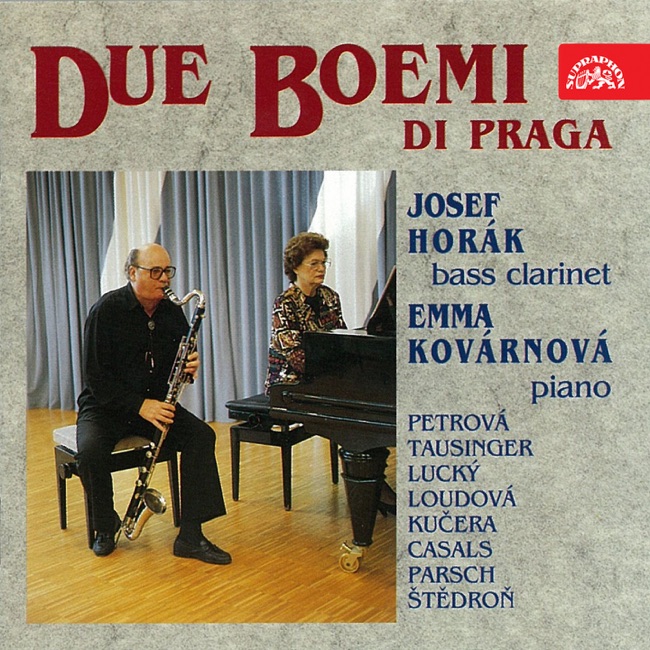
Role:ComposerCountry: RomaniaBirth:November 1, 1921 in Piatra Neamt, RomaniaDeath:July 29, 1980 in Prague, Czech RepublicPeriod:ModernGenre:ChamberJan Tausinger was a Czech composer born on January 28, 1944, in Prague. He was raised in a family of musicians, and his father was a well-known conductor. Tausinger began his musical education at a young age, studying piano and composition at the Prague Conservatory. He later continued his studies at the Academy of Performing Arts in Prague, where he studied composition with Miloslav Kabeláč. Tausinger's early works were heavily influenced by the avant-garde movement, and he was known for his use of unconventional techniques and sounds. His music was often characterized by its complex rhythms, dissonant harmonies, and unconventional instrumentation. Despite this, Tausinger's music was also deeply rooted in the Czech musical tradition, and he often incorporated folk melodies and rhythms into his compositions. One of Tausinger's most significant early works was his String Quartet No. 1, which he composed in 1968. The piece was notable for its use of extended techniques, such as playing behind the bridge and using mutes, and its unconventional structure. The quartet was well-received by critics and helped establish Tausinger as a rising star in the Czech music scene. Throughout the 1970s, Tausinger continued to compose works that pushed the boundaries of traditional classical music. He experimented with electronic music and collaborated with visual artists to create multimedia performances. One of his most significant works from this period was his Symphony No. 1, which he composed in 1975. The piece was notable for its use of unconventional instrumentation, including electric guitars and synthesizers, and its incorporation of rock and jazz influences. In the 1980s, Tausinger's music became more introspective and focused on exploring the emotional depths of the human experience. He continued to incorporate folk melodies and rhythms into his compositions, but his music became more tonal and accessible to a wider audience. One of his most significant works from this period was his Piano Concerto, which he composed in 1983. The piece was notable for its use of lush harmonies and virtuosic piano writing, and it remains one of Tausinger's most popular works to this day. In the 1990s, Tausinger's music became more reflective and focused on exploring the spiritual aspects of life. He continued to incorporate folk melodies and rhythms into his compositions, but his music became more meditative and contemplative. One of his most significant works from this period was his Requiem, which he composed in 1995. The piece was notable for its use of choral writing and its incorporation of traditional Czech hymns. Tausinger continued to compose music until his death in 2019. His later works were characterized by their simplicity and directness, and he often used traditional forms and structures in his compositions. Despite this, his music remained deeply rooted in the Czech musical tradition, and he continued to incorporate folk melodies and rhythms into his works. Jan Tausinger was a prolific and influential composer who pushed the boundaries of traditional classical music. His music was characterized by its use of unconventional techniques and sounds, as well as its incorporation of folk melodies and rhythms. Despite his avant-garde tendencies, Tausinger's music remained deeply rooted in the Czech musical tradition, and he was a beloved figure in the Czech music scene until his death.More....
Recent Artist Music
Copyright Ⓒ 2013 Davinci Finger. All rights reseved
Service Terms & Policy