


Geoffrey Eales
Released Album
Chamber
-
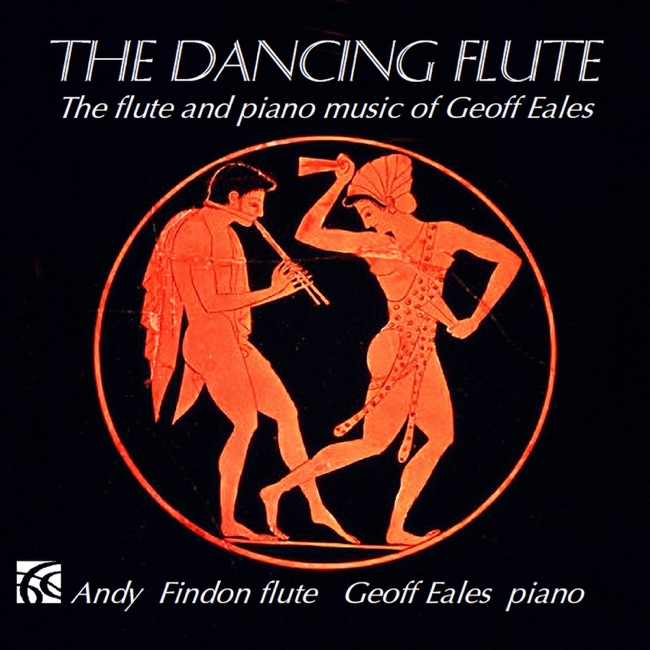
-
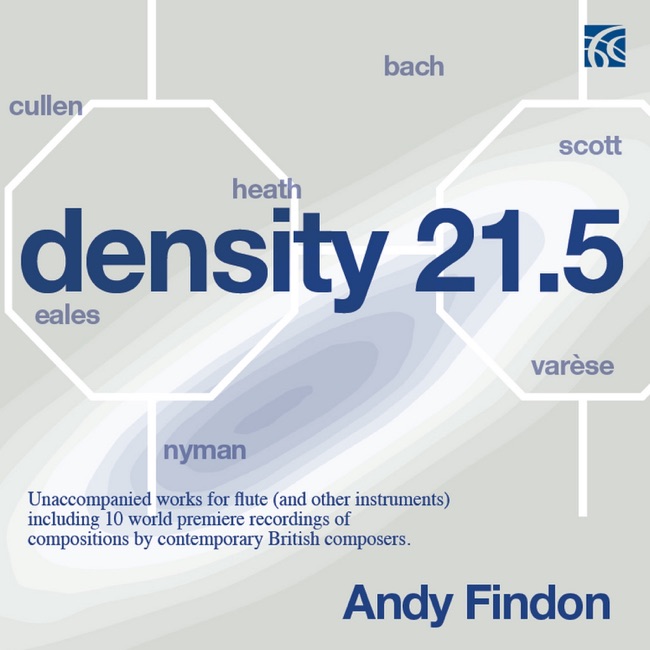 September 22, 2011
 -
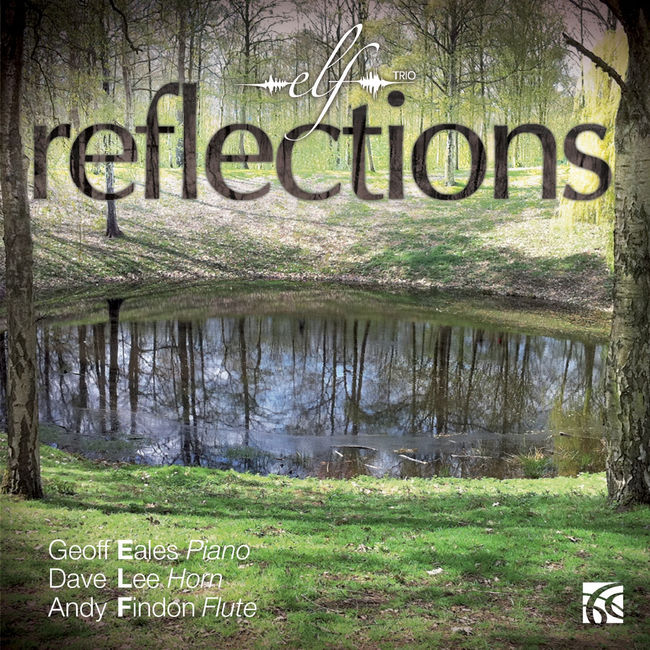 September 13, 2011
Artist Info
Role:ComposerBirth:ca. 1950 in Aberbargoed, Glamorgan, WalesGeoffrey Eales is a British composer and pianist who has made significant contributions to the world of classical music. Born in Swansea, Wales in 1954, Eales began his musical journey at a young age. He started playing the piano when he was just five years old and quickly showed a natural talent for the instrument. His parents recognized his potential and encouraged him to pursue his passion for music. Eales received his formal education in music at the Royal Welsh College of Music and Drama in Cardiff. He studied piano with John Barstow and composition with Alun Hoddinott. After completing his studies, Eales embarked on a career as a professional musician. He worked as a freelance pianist and composer, performing in various venues across the UK and Europe. Eales' early compositions were heavily influenced by jazz and popular music. He was particularly drawn to the music of Bill Evans, a jazz pianist and composer who had a significant impact on Eales' style. Eales' early works, such as his Jazz Suite for Piano and his Jazz Sonata, reflect this influence. Over time, Eales' style evolved to incorporate elements of classical music. He began to experiment with different forms and structures, incorporating classical techniques into his compositions. His works became more complex and sophisticated, showcasing his technical skill and musical creativity. One of Eales' most notable works is his Piano Sonata No. 1, which he composed in 1983. The piece is a four-movement work that showcases Eales' mastery of the piano. The first movement, marked "Allegro con brio," is a lively and energetic piece that sets the tone for the rest of the sonata. The second movement, "Andante," is a slower, more contemplative piece that showcases Eales' ability to create beautiful melodies. The third movement, "Scherzo," is a playful and whimsical piece that features intricate rhythms and complex harmonies. The final movement, "Allegro," is a fast-paced and exciting piece that brings the sonata to a thrilling conclusion. Another notable work by Eales is his Concerto for Piano and Orchestra, which he composed in 1991. The piece is a three-movement work that features Eales as the soloist. The first movement, marked "Allegro," is a lively and energetic piece that showcases Eales' technical skill on the piano. The second movement, "Adagio," is a slower, more contemplative piece that features a beautiful melody played by the piano. The final movement, "Allegro vivace," is a fast-paced and exciting piece that brings the concerto to a thrilling conclusion. Eales has also composed a number of works for chamber ensembles. One of his most notable chamber works is his String Quartet No. 1, which he composed in 1987. The piece is a four-movement work that showcases Eales' ability to create beautiful melodies and intricate harmonies. The first movement, marked "Allegro," is a lively and energetic piece that sets the tone for the rest of the quartet. The second movement, "Adagio," is a slower, more contemplative piece that features a beautiful melody played by the first violin. The third movement, "Scherzo," is a playful and whimsical piece that features intricate rhythms and complex harmonies. The final movement, "Allegro," is a fast-paced and exciting piece that brings the quartet to a thrilling conclusion. In addition to his work as a composer, Eales is also an accomplished pianist.More....
Recent Artist Music
Copyright Ⓒ 2013 Davinci Finger. All rights reseved
Service Terms & Policy