


Leo Kraft
Released Album
Chamber
-
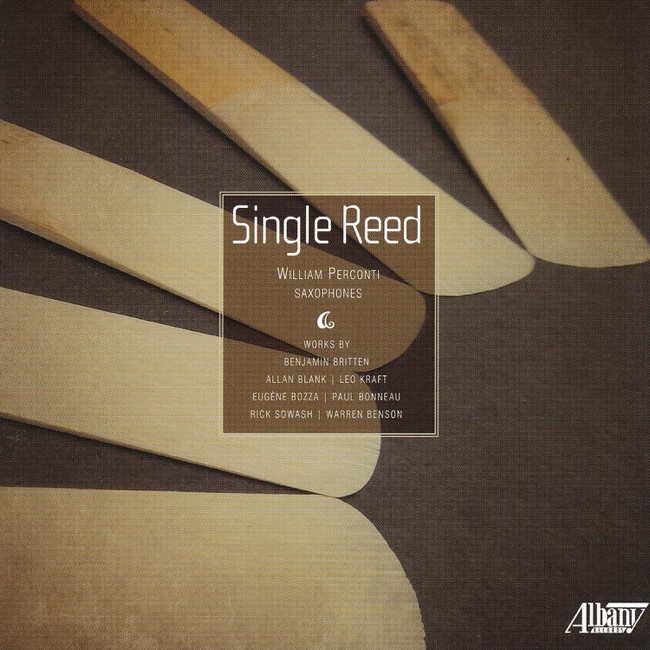 November 11, 2014
 -
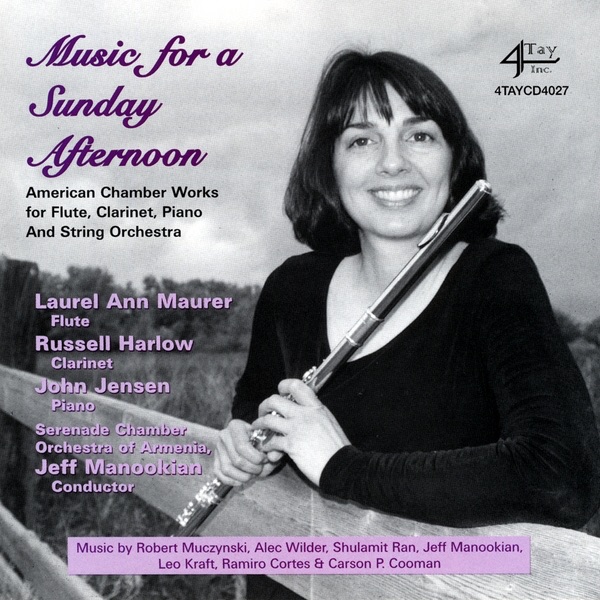
-
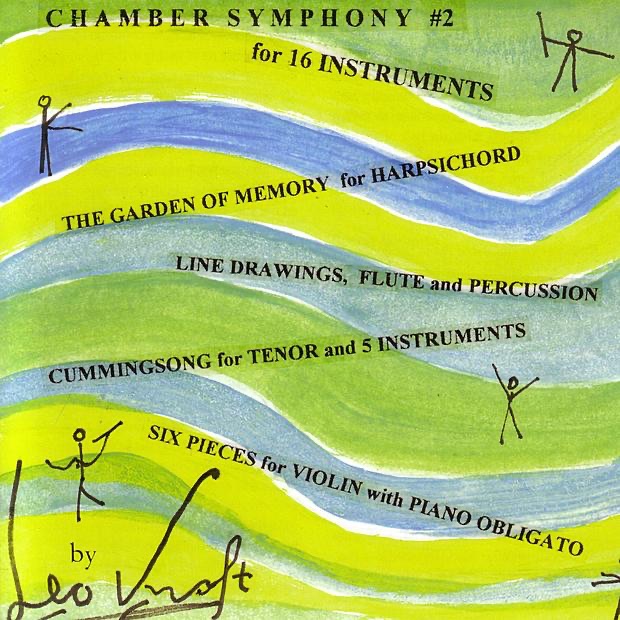 December 18, 2001
 -
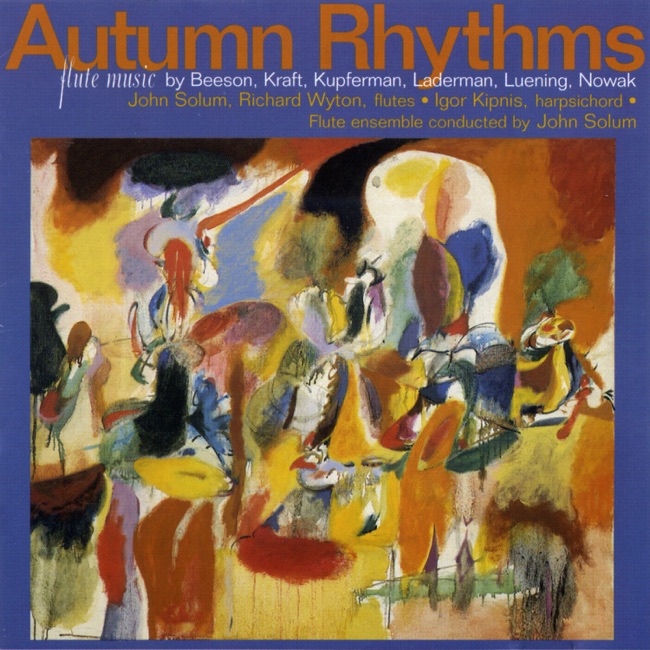 June 18, 1996
 -
 December 1, 1995
Vocal
-
 October 15, 2010
 -
 February 24, 2009
Orchestral
-
 June 19, 2012
 -
Choral
-
 December 1, 2017
 -
 February 9, 1999
Artist Info
Role:Composer ConductorBirth:July 24, 1922Death:April 30, 2014Period:ContemporaryGenre:ChamberKeyboardOrchestralLeo Kraft was an American composer and music educator who was born on June 18, 1922, in Brooklyn, New York. He was the son of Russian-Jewish immigrants who had settled in the United States. Kraft's parents were not musicians, but they encouraged their son's interest in music from an early age. He began playing the piano at the age of six and later took up the clarinet and saxophone. Kraft attended Brooklyn College, where he studied composition with Israel Citkowitz and later earned a master's degree in music from Columbia University. He also studied with the renowned composer Aaron Copland at Tanglewood and later at the Berkshire Music Center. Copland was a major influence on Kraft's music, and he remained a close friend and mentor throughout his life. Kraft began his career as a composer in the 1940s, and his early works were influenced by the neoclassical style of Stravinsky and Hindemith. He also experimented with serialism and other modernist techniques, but he eventually developed his own unique style that blended elements of tonality and atonality. One of Kraft's early works, the String Quartet No. 1, was premiered in 1950 and received critical acclaim. The piece is characterized by its use of complex rhythms and harmonies, and it demonstrates Kraft's skill at writing for string instruments. Another notable work from this period is the Piano Sonata No. 1, which was premiered in 1952 and showcases Kraft's virtuosic piano writing. In the 1960s, Kraft began to incorporate electronic music into his compositions. He was one of the first American composers to experiment with electronic music, and he created a number of works that combined live instruments with electronic sounds. One of his most famous works from this period is the electronic piece "Dialogues," which was premiered in 1967 and features a dialogue between a live performer and a pre-recorded electronic track. Kraft was also a prolific composer of vocal music, and he wrote a number of works for choir and solo voice. One of his most famous vocal works is the "Three Songs for Soprano and Piano," which were premiered in 1972 and set texts by Emily Dickinson. The songs are characterized by their lyrical melodies and expressive harmonies, and they demonstrate Kraft's skill at writing for the human voice. In addition to his work as a composer, Kraft was also a respected music educator. He taught at Brooklyn College for over 30 years and was a beloved mentor to many young composers. He was known for his rigorous teaching style and his commitment to helping his students develop their own unique voices as composers. Kraft's later works continued to explore new musical territories, and he remained active as a composer well into his 90s. One of his most recent works, the String Quartet No. 5, was premiered in 2015 and demonstrates his continued mastery of the string quartet form. Throughout his career, Kraft received numerous awards and honors for his contributions to American music. He was a recipient of the Guggenheim Fellowship, the National Endowment for the Arts Composer's Grant, and the American Academy of Arts and Letters Award. He was also a member of the American Academy of Arts and Sciences and the American Academy of Arts and Letters. Leo Kraft passed away on December 29, 2014, at the age of 92. He left behind a legacy of innovative and expressive music that continues to inspire and challenge musicians and audiences alike.More....
Recent Artist Music

Copyright Ⓒ 2013 Davinci Finger. All rights reseved
Service Terms & Policy