


Erik Norby
Released Album
Vocal
-
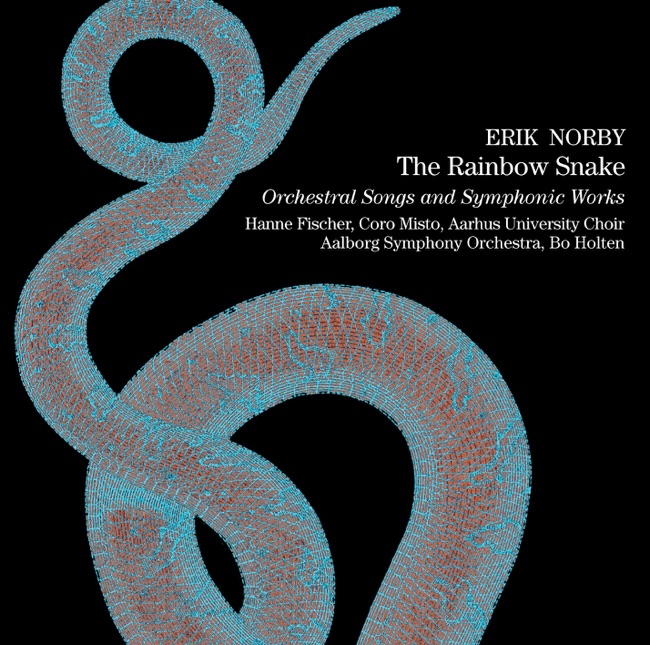 October 29, 2012
 -
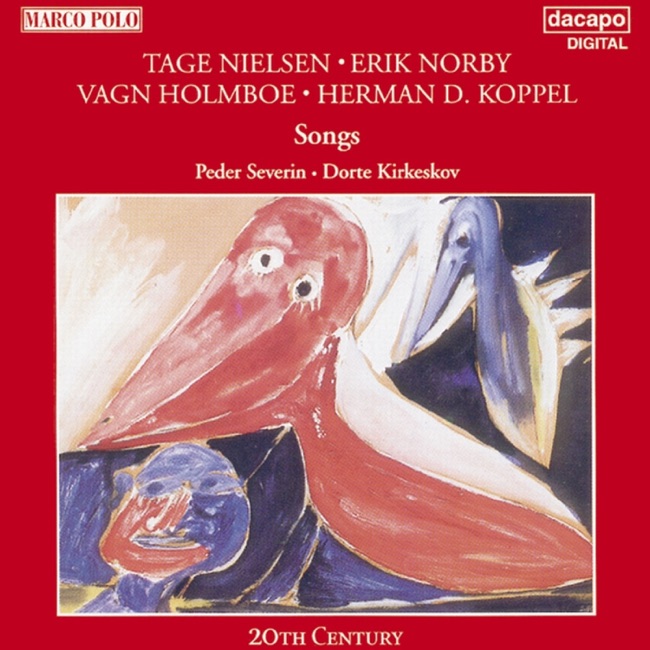 February 6, 1996
Artist Info
Role:ComposerPeriod:ContemporaryGenre:BandVocalErik Norby was a Norwegian composer born on August 12, 1936, in Oslo, Norway. He was the son of a composer and conductor, and his mother was a pianist. Norby grew up in a musical family and began playing the piano at a young age. He studied music at the Oslo Conservatory of Music and later at the Royal Danish Academy of Music in Copenhagen. Norby's early compositions were influenced by the music of his father, Arne Norby, who was a prominent composer in Norway. However, as he developed his own style, Norby began to incorporate elements of modernism and avant-garde music into his work. He was particularly interested in the use of electronic music and experimented with tape manipulation and other electronic techniques in his compositions. Norby's first major work was his Symphony No. 1, which he composed in 1963. The piece was well-received and established Norby as a promising young composer. He continued to compose symphonies throughout his career, including Symphony No. 2 (1966), Symphony No. 3 (1970), and Symphony No. 4 (1974). In addition to his symphonies, Norby composed a wide range of other works, including chamber music, vocal music, and electronic music. One of his most famous works is his opera, "The Tempest," which he composed in 1979. The opera is based on the play by William Shakespeare and features a libretto by the Norwegian poet Paal-Helge Haugen. "The Tempest" was a critical and commercial success and is considered one of Norby's most important works. Norby was also known for his collaborations with other artists, including the choreographer Birgit Cullberg and the visual artist Kjell Torriset. He composed music for several of Cullberg's ballets, including "Miss Julie" (1970) and "Medea" (1984). His collaboration with Torriset resulted in several multimedia works that combined music, video, and other visual elements. Throughout his career, Norby received numerous awards and honors for his work. He was awarded the Norwegian Music Critics' Prize in 1966 and 1970, and the Nordic Council Music Prize in 1983. He was also a member of the Norwegian Academy of Science and Letters and the Royal Swedish Academy of Music. Norby continued to compose music until his death on December 12, 2007, in Oslo, Norway. His legacy as a composer is marked by his innovative use of electronic music and his willingness to experiment with new forms and techniques. His work continues to be performed and studied by musicians and scholars around the world.More....
Copyright Ⓒ 2013 Davinci Finger. All rights reseved
Service Terms & Policy