


Salomon Sulzer
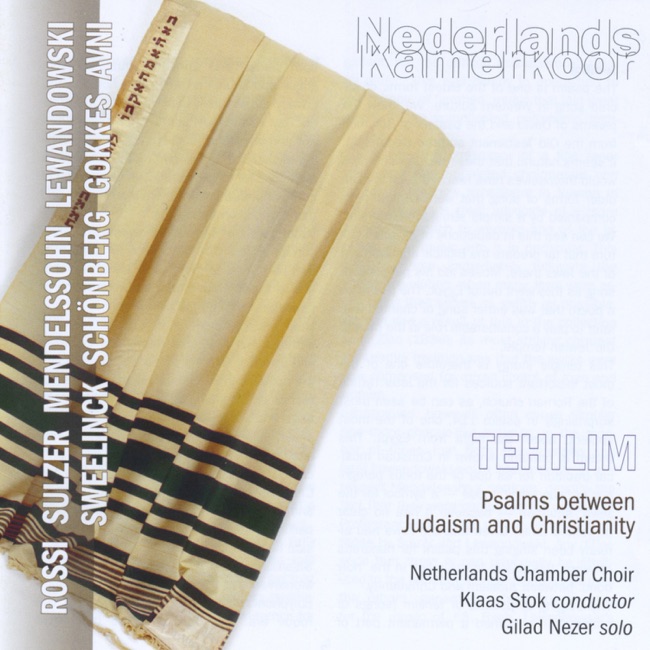
Artist Info
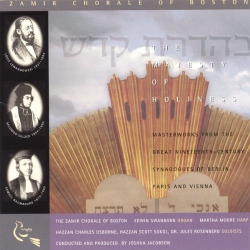
Role:ComposerCountry: AustriaBirth:March 30, 1804 in Hohenems, AustriaDeath:January 17, 1890 in Vienna, AustriaGenre:VocalSalomon Sulzer was a prominent composer and cantor of the 19th century, known for his contributions to Jewish liturgical music. He was born on March 30, 1804, in Hohenems, Austria, to a family of musicians. His father, Wolf Sulzer, was a cantor and composer, and his mother, Sara, was a singer. Salomon showed an early interest in music and began studying with his father at a young age. At the age of 14, Salomon was appointed as a cantor in his hometown of Hohenems. He continued his musical education in Vienna, where he studied with the renowned composer Ignaz von Seyfried. In 1826, he was appointed as the cantor of the synagogue in Vienna's Leopoldstadt district, a position he held for over 50 years. Sulzer's compositions were heavily influenced by the traditional Jewish melodies he grew up with, as well as the classical music he studied in Vienna. He was known for his use of rich harmonies and complex counterpoint, which set his music apart from the simpler melodies of his contemporaries. One of Sulzer's most significant contributions to Jewish music was his publication of the first complete edition of the traditional Jewish prayer book, known as the Siddur. The Siddur contained Sulzer's own compositions, as well as traditional melodies that he had collected and arranged. The publication of the Siddur was a major milestone in the development of Jewish liturgical music, and it remains a standard reference work to this day. Sulzer's compositions were also widely performed outside of the synagogue. He wrote several choral works, including a setting of Psalm 92 for choir and orchestra, which was premiered in Vienna in 1845. He also composed several operas, including "Die Königin von Saba," which was performed in Vienna in 1862. Despite his success as a composer, Sulzer remained dedicated to his work as a cantor. He was known for his powerful and expressive singing voice, and his ability to lead congregations in prayer. He was also a respected teacher, and many of his students went on to become prominent cantors and composers in their own right. Sulzer's music had a significant impact on the development of Jewish liturgical music, both in Europe and in the United States. His use of complex harmonies and counterpoint influenced many later composers, including Max Bruch and Gustav Mahler. His legacy continues to be felt in synagogues around the world, where his compositions are still performed and his Siddur is still used as a reference work. Salomon Sulzer died on January 17, 1890, in Vienna, Austria. He was remembered as a pioneering composer and cantor, whose contributions to Jewish music continue to be celebrated to this day.More....
Recent Artist Music
1

2:2
4
Soul celebration song ("Why are you saddened?") (after Psalm 43)
Seelenfeier-Lied - Was betrübst du Seele dich (After Psalm 43)
2:8
Copyright Ⓒ 2013 Davinci Finger. All rights reseved
Service Terms & Policy