


Benedetto Pallavicino
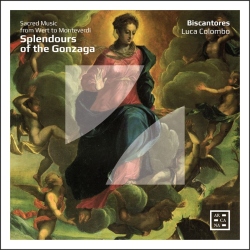
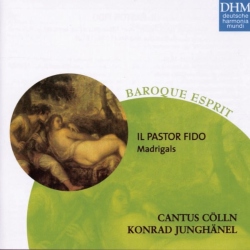
Released Album
Vocal
-
 September 13, 2011
 -
 July 30, 2001
Artist Info
Role:ComposerCountry: ItalyBirth:1551Death:November 26, 1601Period:RenaissanceGenre:VocalBenedetto Pallavicino was a prominent Italian composer of the Renaissance period. He was born in Cremona, Italy, in 1551, and was the son of a musician. His father, Bartolomeo Pallavicino, was a singer and composer who worked at the court of the Gonzaga family in Mantua. It is likely that Benedetto received his early musical training from his father. Pallavicino's musical career began in earnest when he was appointed as a singer at the court of the Duke of Mantua in 1570. He quickly gained a reputation as a talented composer, and his works were performed at court and in churches throughout Italy. In 1577, he was appointed as the maestro di cappella at the Basilica of San Lorenzo in Florence, a position he held until 1583. During his time in Florence, Pallavicino composed a number of important works, including his first book of madrigals, which was published in 1579. His madrigals were highly regarded for their expressive harmonies and innovative use of chromaticism. Pallavicino's music was also notable for its use of word painting, a technique in which the music reflects the meaning of the text. In 1583, Pallavicino returned to Mantua, where he was appointed as the maestro di cappella at the court of Duke Vincenzo I Gonzaga. He held this position until 1590, during which time he composed a number of important works, including his second book of madrigals, which was published in 1587. Pallavicino's madrigals from this period are characterized by their complex polyphony and use of chromaticism. In addition to his work as a composer, Pallavicino was also a respected music theorist. In 1599, he published a treatise on music theory entitled "Regole, passaggi di musica, et diminutioni," which was highly influential in its time. The treatise covered a wide range of topics, including counterpoint, harmony, and ornamentation. Pallavicino's later years were marked by a decline in his fortunes. In 1602, he was dismissed from his position at the court of Mantua, and he struggled to find work as a composer. He died in poverty in 1601 or 1602. Despite his difficult later years, Pallavicino's contributions to the development of Renaissance music were significant. His innovative use of chromaticism and word painting helped to pave the way for the development of Baroque music, and his treatise on music theory was an important resource for composers of the time. Today, Pallavicino is remembered as one of the most important composers of the late Renaissance period.More....
Recent Artist Music

Copyright Ⓒ 2013 Davinci Finger. All rights reseved
Service Terms & Policy