


Nikolai Kapustin
Released Album
Keyboard
-
 December 12, 2023
 -
-
 March 4, 2023
 -
 February 3, 2023
 -
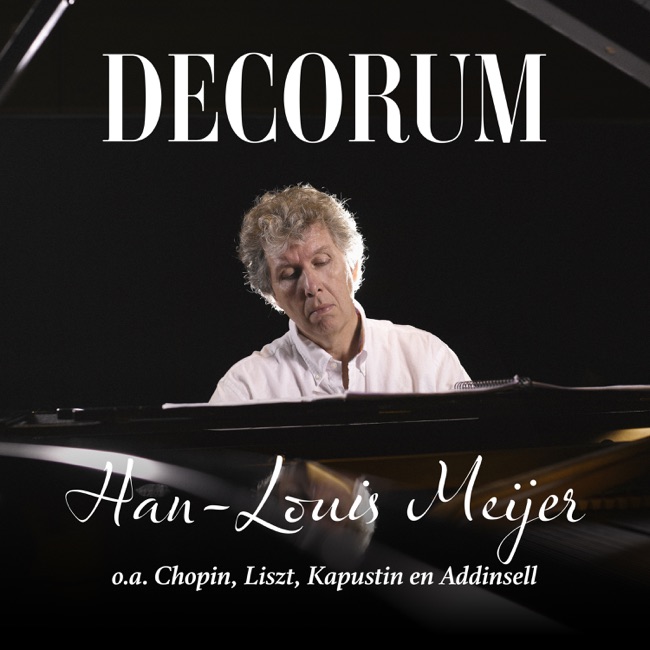 June 14, 2022
 -
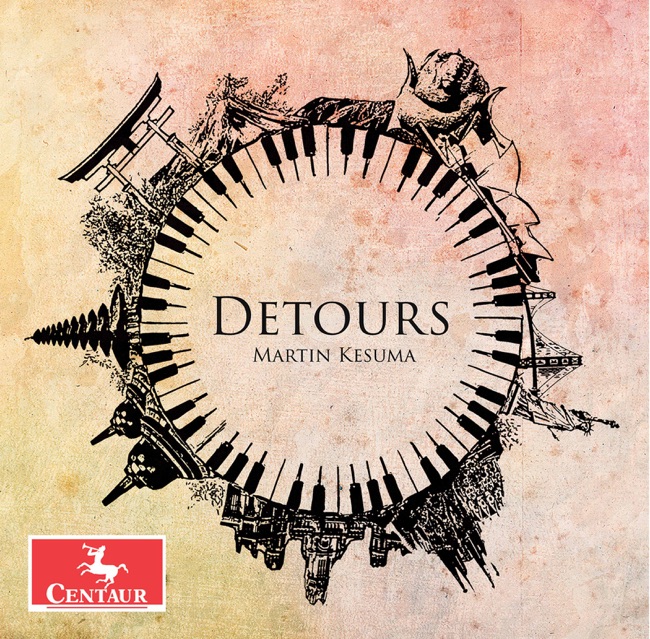 May 27, 2022
Chamber
-
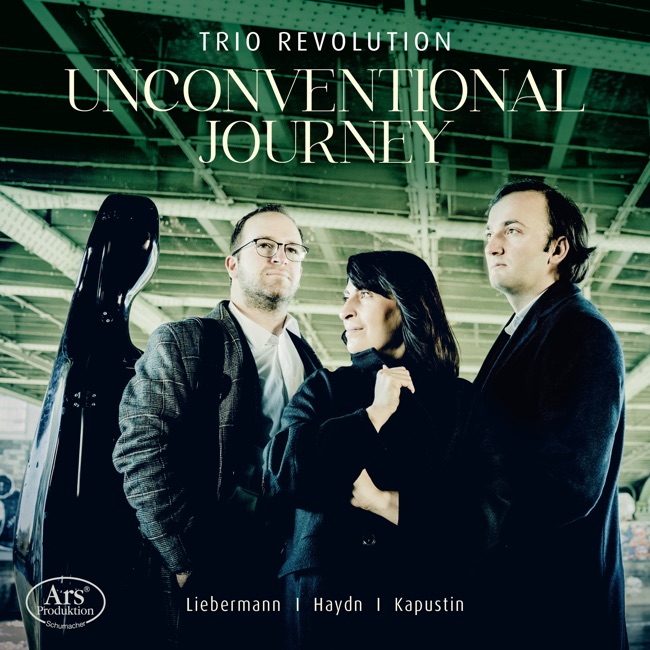 March 15, 2024
 -
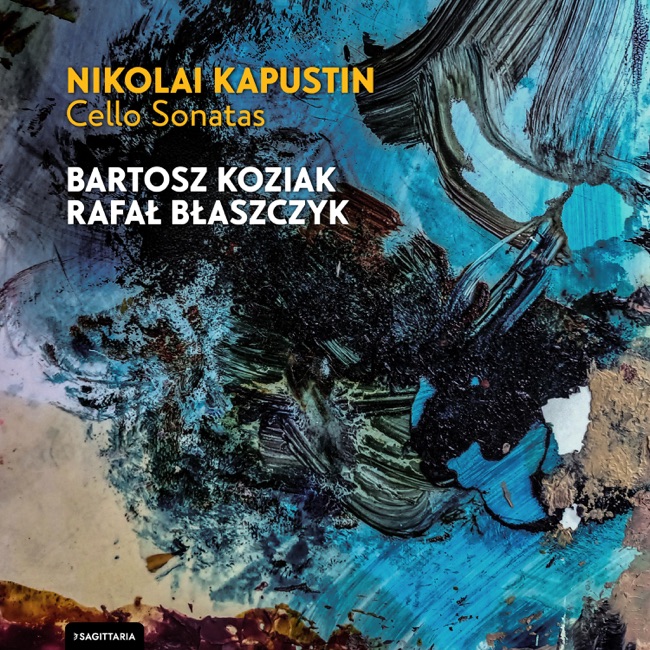 December 31, 2023
 -
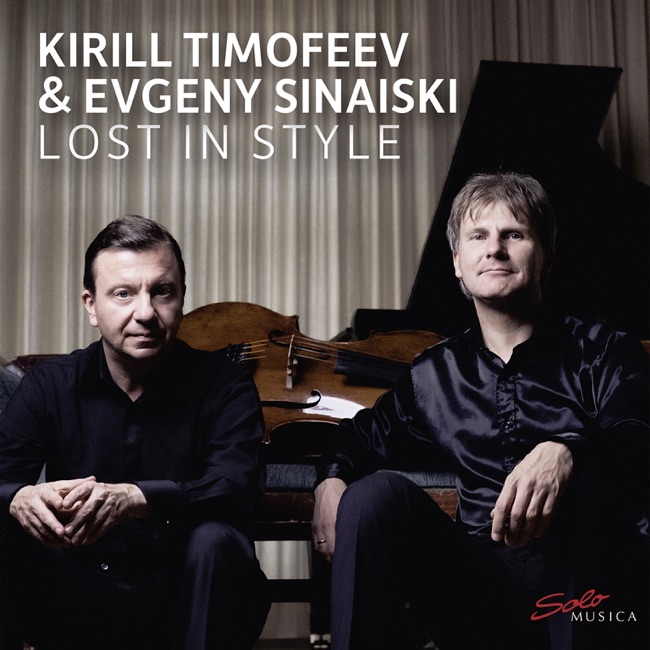 November 11, 2022
 -
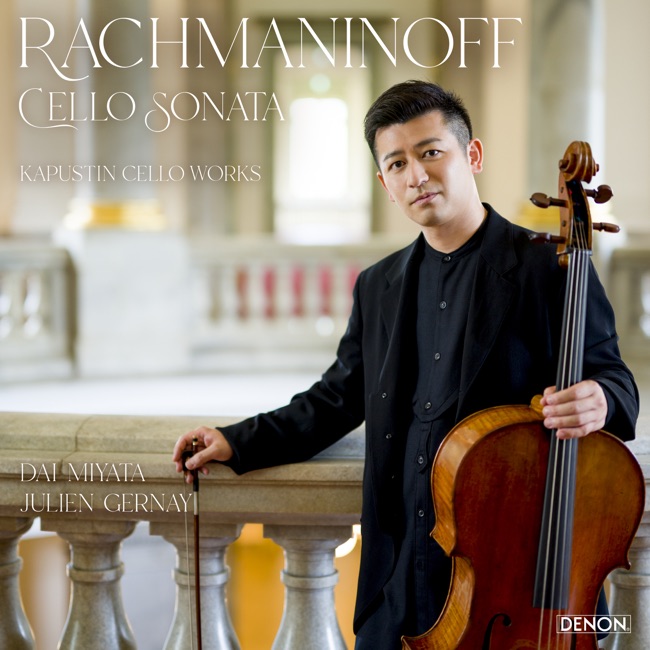 October 19, 2022
 -
 October 11, 2022
 -
 October 11, 2022
Concerto
-
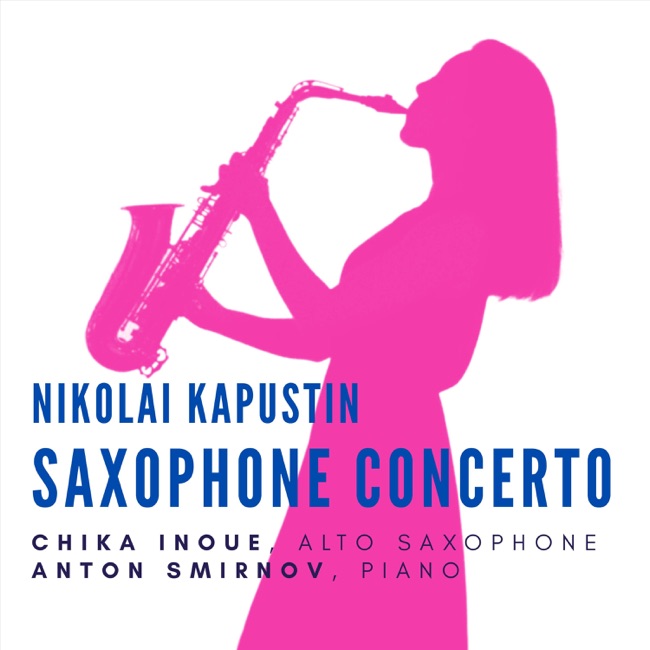
-
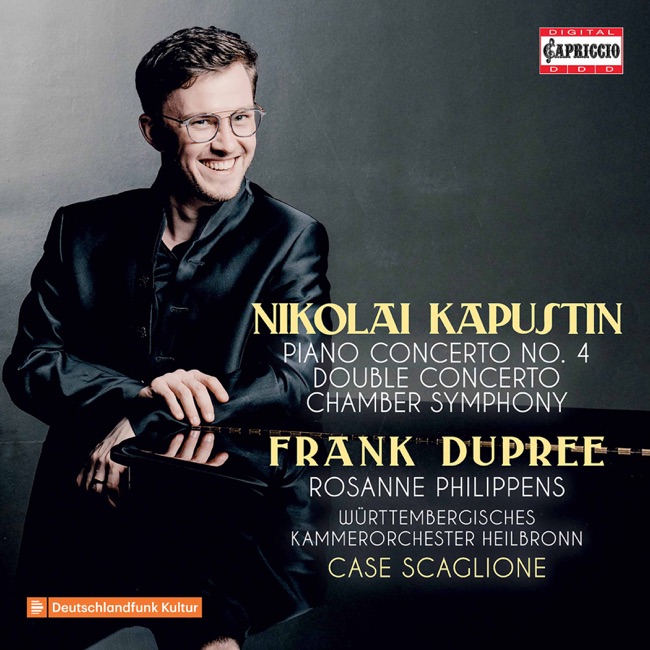
-
 August 7, 2020
 -
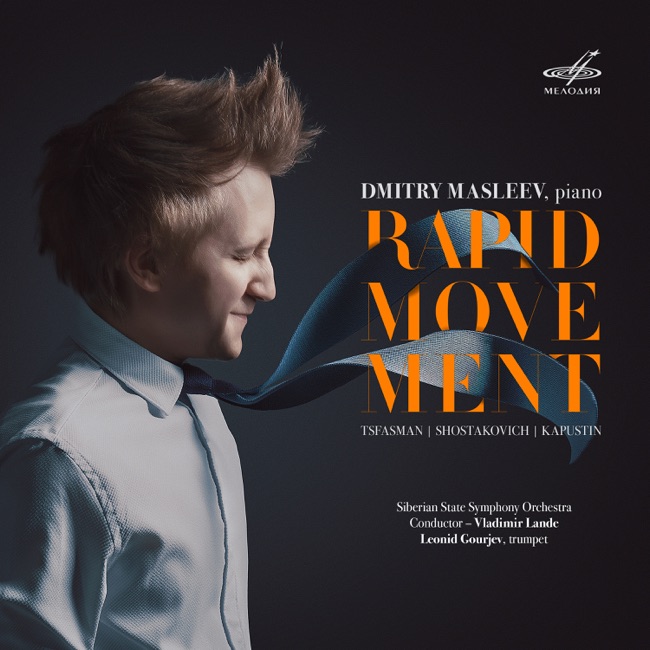 March 20, 2020
 -
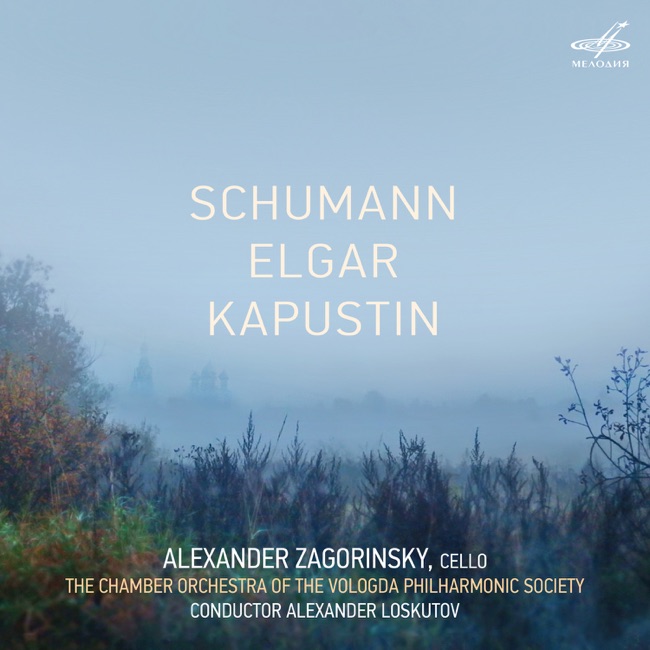 February 2, 2018
Artist Info
Role:ComposerBirth:November 22, 1937 in Gorlovka, UkraineDeath:July 2, 2020 in Moscow, RussiaPeriod:ContemporaryGenre:KeyboardNikolai Kapustin was a Russian composer and pianist who was born on November 22, 1937, in Horlivka, Ukraine. He was raised in a musical family, and his mother was a piano teacher. Kapustin began playing the piano at the age of six and showed exceptional talent from an early age. He studied at the Nikolayev School of Music and later at the Moscow Conservatory, where he studied composition with Alexander Goldenweiser and piano with Yakov Flier. Kapustin's music is a unique blend of classical music and jazz, and he is considered one of the most important composers of the 20th century. His compositions are characterized by their virtuosity, rhythmic complexity, and harmonic sophistication. Kapustin's music is often compared to that of George Gershwin and Sergei Rachmaninoff, and he is known for his use of syncopation, swing, and improvisation. Kapustin's early works were influenced by the music of Sergei Prokofiev and Dmitri Shostakovich, but he soon began to incorporate jazz elements into his compositions. His first major work was the Piano Sonata No. 1, which he composed in 1957. The sonata is a four-movement work that showcases Kapustin's virtuosity as a pianist and his skill as a composer. The sonata was well-received by audiences and critics alike, and it established Kapustin as a major talent in the world of classical music. In the 1960s, Kapustin began to focus more on jazz and started to incorporate jazz elements into his compositions. He composed a series of jazz-inspired works, including the Suite in the Old Style, Op. 28, and the Concerto for Double Bass and Orchestra, Op. 39. These works were well-received by audiences and helped to establish Kapustin as a leading composer of jazz-influenced classical music. Kapustin's music continued to evolve throughout the 1970s and 1980s, and he composed a series of works that showcased his unique style. These works included the Piano Concerto No. 2, Op. 14, the Variations, Op. 41, and the Sonata for Cello and Piano, Op. 63. Kapustin's music was often performed by leading orchestras and soloists, and he became known for his ability to blend classical and jazz elements in a way that was both innovative and accessible. In the 1990s, Kapustin's music gained a wider audience outside of Russia, and he began to receive international recognition for his work. His music was performed by leading orchestras and soloists around the world, and he was invited to give masterclasses and lectures at universities and music schools. Kapustin continued to compose throughout his life, and his later works included the Piano Sonata No. 16, Op. 131, and the Concerto for Alto Saxophone and Orchestra, Op. 50. Kapustin's music has been praised for its technical brilliance, its harmonic complexity, and its ability to blend classical and jazz elements in a way that is both innovative and accessible. His music has been compared to that of George Gershwin and Sergei Rachmaninoff, and he is considered one of the most important composers of the 20th century. Kapustin's legacy continues to live on through his music, which is still performed and enjoyed by audiences around the world.More....
Recent Artist Music

3
5:59
4
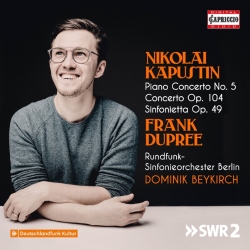
Piano Concerto No. 5, Op. 72
Konzert für Klavier und Orchester Nr. 5 Op. 72 / Concerto for piano and orchestra No. 5 Op. 72
20:43

10
4:22

12

2:41
Recommend Playlist





Copyright Ⓒ 2013 Davinci Finger. All rights reseved
Service Terms & Policy