


Ludwig Schunke
Released Album
Vocal
-
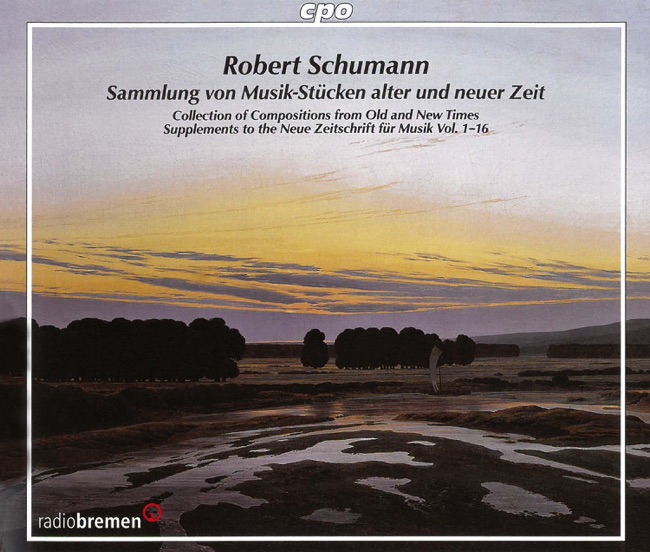 September 28, 2010
Keyboard
-
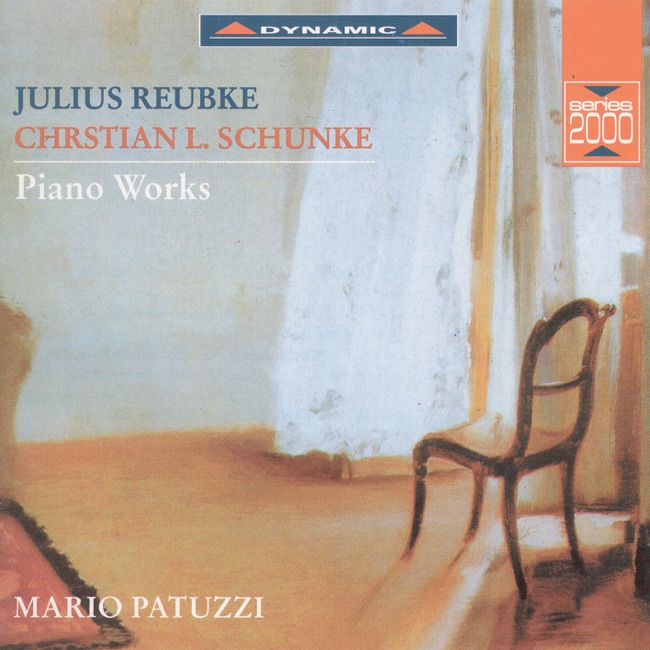 December 9, 1999
Artist Info
Role:ComposerBirth:December 21, 1810Death:December 7, 1834Period:RomanticGenre:KeyboardLudwig Schunke was a German composer born on January 22, 1810, in the city of Berlin. He was the son of a music teacher, and his father recognized his son's musical talent at an early age. Schunke began his musical education at the age of six, studying piano and composition with his father. He showed remarkable progress, and by the age of ten, he was already performing in public concerts. Schunke's father recognized his son's potential and decided to send him to study with the renowned composer and pianist, Carl Friedrich Zelter. Zelter was a close friend of Johann Wolfgang von Goethe, and he had a significant influence on Schunke's musical development. Under Zelter's guidance, Schunke studied composition, piano, and music theory. He also had the opportunity to meet and perform for Goethe, who was impressed by the young musician's talent. In 1826, Schunke enrolled at the Berlin University of the Arts, where he studied composition with Carl Friedrich Rungenhagen. He also continued his piano studies with Eduard Rietz. During this time, Schunke began to compose his own music, and his works were well-received by his teachers and fellow students. In 1830, Schunke's father passed away, and he was forced to support himself financially. He began to give piano lessons and perform in public concerts to make ends meet. Despite his financial struggles, Schunke continued to compose, and his works began to gain recognition in Berlin's musical circles. In 1834, Schunke composed his Piano Sonata in F minor, which is considered one of his most significant works. The sonata is a virtuosic piece that showcases Schunke's technical skill and musical sensitivity. The work was premiered by the composer himself in a public concert, and it was well-received by the audience and critics alike. Schunke's success as a composer continued to grow, and he began to receive commissions from prominent musicians and music publishers. In 1836, he composed his Piano Concerto in E-flat major, which was premiered by the famous pianist and composer, Franz Liszt. The concerto is a brilliant work that displays Schunke's mastery of the piano and his ability to create complex and innovative musical structures. In 1837, Schunke was appointed as the court pianist to the Duke of Anhalt-Köthen. He moved to Köthen and began to work on his Symphony in C minor, which he dedicated to the Duke. The symphony is a powerful and dramatic work that showcases Schunke's ability to create complex and emotionally charged musical structures. Unfortunately, Schunke's time in Köthen was short-lived. In 1838, he contracted tuberculosis, which forced him to return to Berlin. Despite his illness, Schunke continued to compose, and he completed his Symphony in B-flat major, which is considered one of his most beautiful and lyrical works. Schunke's health continued to deteriorate, and he passed away on December 9, 1839, at the age of 29. His death was a great loss to the musical world, and many of his contemporaries mourned his passing. Franz Liszt, who had become a close friend of Schunke's, wrote a eulogy in which he praised the young composer's talent and musical genius. Today, Ludwig Schunke is remembered as one of the most talented and innovative composers of the Romantic era. His works, which include piano sonatas, concertos, and symphonies, are characterized by their technical brilliance, emotional depth, and innovative musical structures.More....
Copyright Ⓒ 2013 Davinci Finger. All rights reseved
Service Terms & Policy