


Tilo Medek
Released Album
Vocal
-
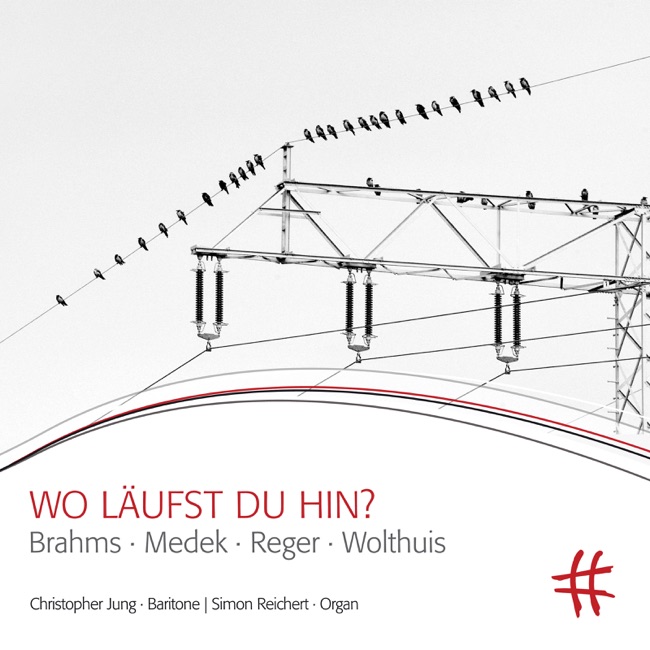 2019
2019 -
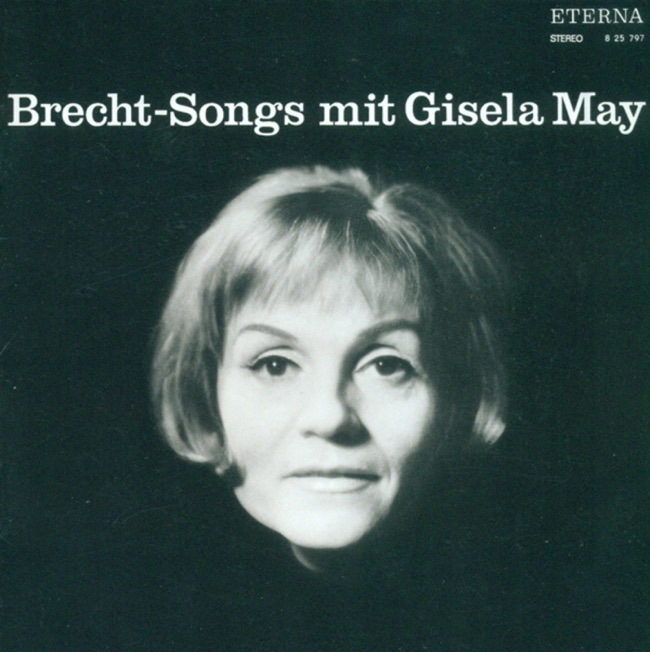 March 28, 2007
Chamber
-
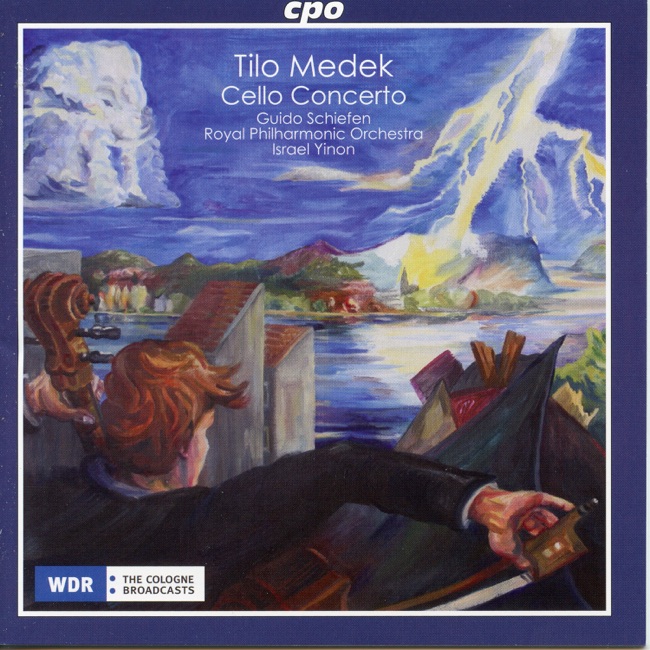 May 25, 2010
Artist Info
Role:Composer ConductorBirth:January 22, 1940Death:2006Tilo Medek was a German composer, born on January 17, 1940, in the city of Chemnitz, Germany. He was the son of a music teacher and grew up in a musical family. His father, Kurt Medek, was a composer and conductor, and his mother, Gertrud Medek, was a pianist. Tilo Medek showed an early interest in music and began playing the piano at the age of six. Medek studied music at the Leipzig Conservatory, where he was a student of the composer and conductor Hermann Grabner. He also studied composition with the composer and musicologist Friedrich Blume. After completing his studies, Medek worked as a music teacher and conductor in various cities in Germany. In the 1960s, Medek became interested in the avant-garde music movement, which was characterized by experimental and unconventional approaches to music composition. He began to incorporate elements of this movement into his own compositions, which often featured complex rhythms, dissonant harmonies, and unconventional instrumentation. One of Medek's most significant works is his Symphony No. 1, which he composed in 1968. The symphony is a complex and challenging work that features a large orchestra and incorporates elements of avant-garde music. The work was well-received by critics and established Medek as a significant figure in contemporary classical music. In the 1970s, Medek continued to explore avant-garde music and began to incorporate electronic music into his compositions. He also became interested in the music of other cultures, particularly the music of India and Japan. He traveled to these countries to study their music and incorporated elements of their music into his own compositions. One of Medek's most significant works from this period is his opera "The Tower," which he composed in 1975. The opera is based on a play by the German playwright Franz Xaver Kroetz and tells the story of a man who is trapped in a tower and must confront his own mortality. The opera features a complex and challenging score that incorporates elements of avant-garde music, electronic music, and traditional Indian music. In the 1980s, Medek began to move away from avant-garde music and began to incorporate more traditional elements into his compositions. He also began to focus more on chamber music and wrote several works for small ensembles. One of Medek's most significant works from this period is his String Quartet No. 3, which he composed in 1985. The quartet is a complex and challenging work that features intricate counterpoint and unconventional harmonies. The work was well-received by critics and established Medek as a significant figure in contemporary chamber music. In the 1990s, Medek continued to explore traditional elements in his compositions and began to incorporate more tonal harmonies into his music. He also began to focus more on vocal music and wrote several works for choir and solo voice. One of Medek's most significant works from this period is his "Requiem," which he composed in 1993. The work is a complex and challenging choral work that features a large choir and orchestra. The work incorporates elements of traditional choral music and features a powerful and emotional score. Medek continued to compose music until his death on June 3, 2006. He left behind a significant body of work that includes symphonies, operas, chamber music, and choral works.More....
Recent Artist Music
Copyright Ⓒ 2013 Davinci Finger. All rights reseved
Service Terms & Policy