


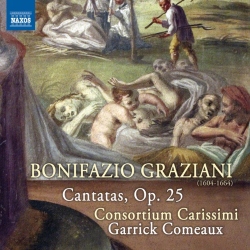
Bonifazio Graziani
Released Album
Vocal
-
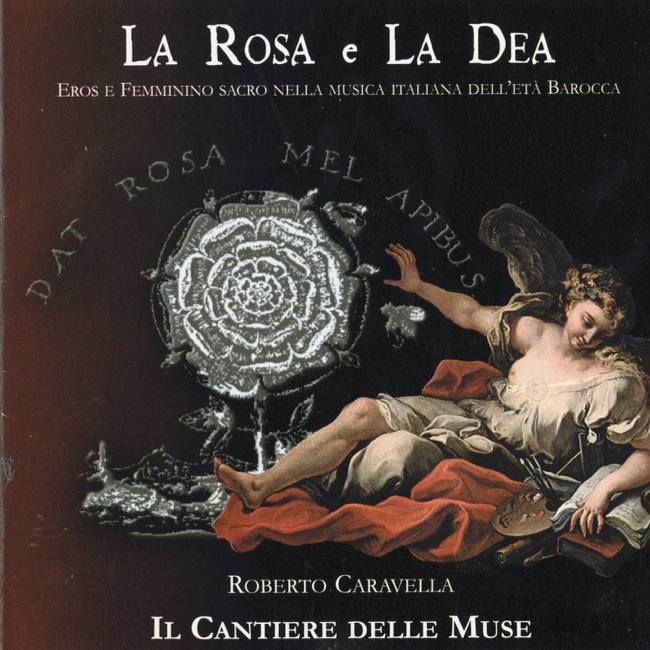
-
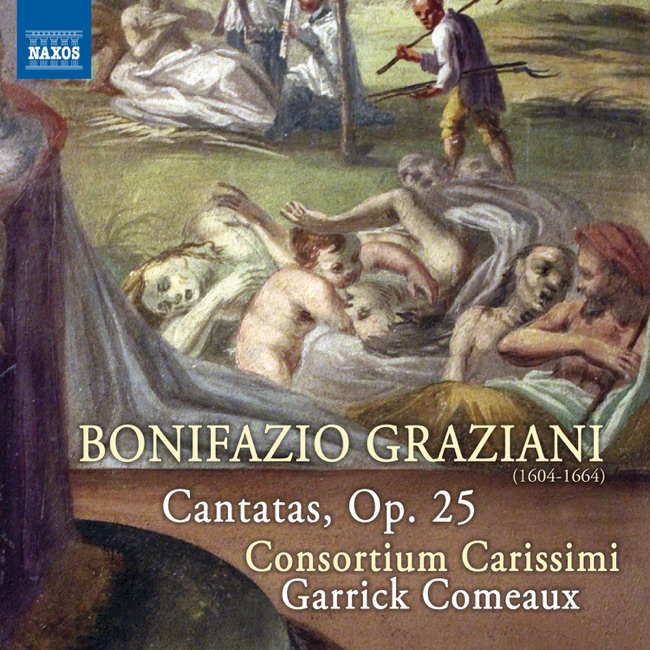 February 12, 2016
 -
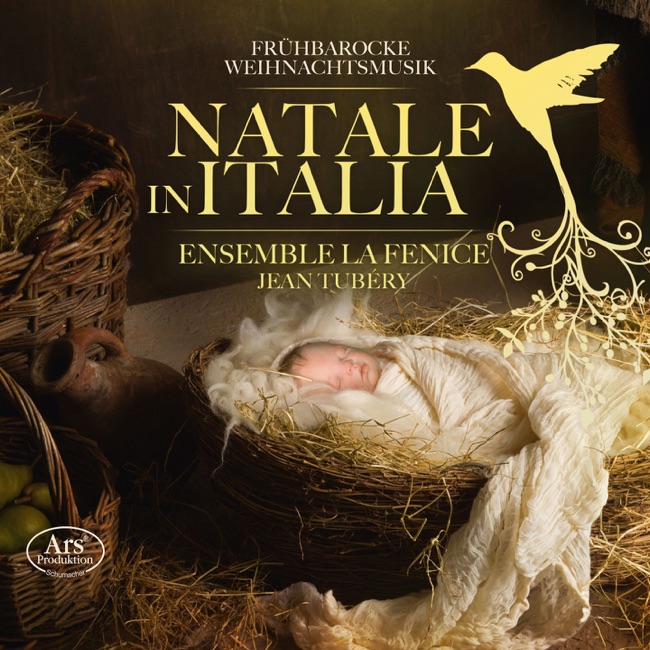 October 30, 2015
Choral
-
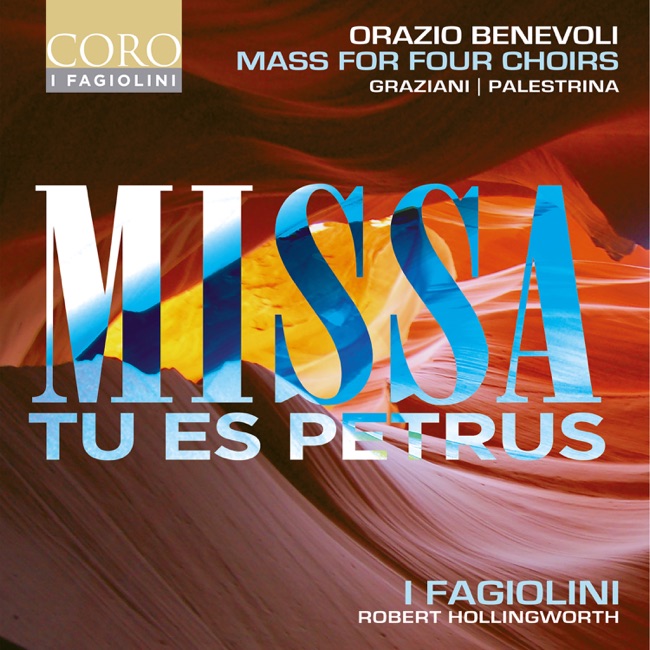 October 6, 2023
 -
 November 13, 2015
Artist Info
Role:ComposerBirth:1604Death:1664Bonifazio Graziani was an Italian composer of the Baroque era, born in Subiaco, Italy in 1604. He was the son of a musician and grew up in a musical family. Graziani began his musical education at a young age, studying with his father and later with the composer Giovanni Bernardino Nanino. In 1625, Graziani moved to Rome to continue his studies and pursue a career in music. He quickly gained a reputation as a talented composer and performer, and was appointed as the maestro di cappella at the church of San Lorenzo in Damaso in 1630. He held this position for over 30 years, during which time he composed a large number of sacred works for the church. Graziani's music was highly regarded during his lifetime, and he was known for his skillful use of counterpoint and his ability to create complex and intricate musical textures. His compositions were often characterized by their emotional intensity and dramatic flair, and he was particularly skilled at setting texts in a way that emphasized their meaning and emotional impact. One of Graziani's most famous works is his Missa "Il Terremoto," which was composed in response to the devastating earthquake that struck Rome in 1639. The mass is notable for its use of musical effects to depict the earthquake, including sudden shifts in dynamics and dissonant harmonies. The work was widely performed and praised for its emotional power and innovative use of musical techniques. In addition to his sacred music, Graziani also composed a number of secular works, including operas and instrumental music. His opera "La Dafne" was particularly successful, and was performed at the court of Queen Christina of Sweden in 1651. Despite his success as a composer, Graziani's personal life was marked by tragedy. He lost his wife and several children to illness, and was himself in poor health for much of his life. He died in Rome in 1664, at the age of 60. Today, Graziani is remembered as one of the most important composers of the Baroque era, and his music continues to be performed and studied by musicians and scholars around the world. His innovative use of musical techniques and his ability to create powerful emotional effects through music have made him a lasting influence on the classical music tradition.More....
Recent Artist Music

5
7:54

Copyright Ⓒ 2013 Davinci Finger. All rights reseved
Service Terms & Policy