


Mordecai Seter
Released Album
Keyboard
-
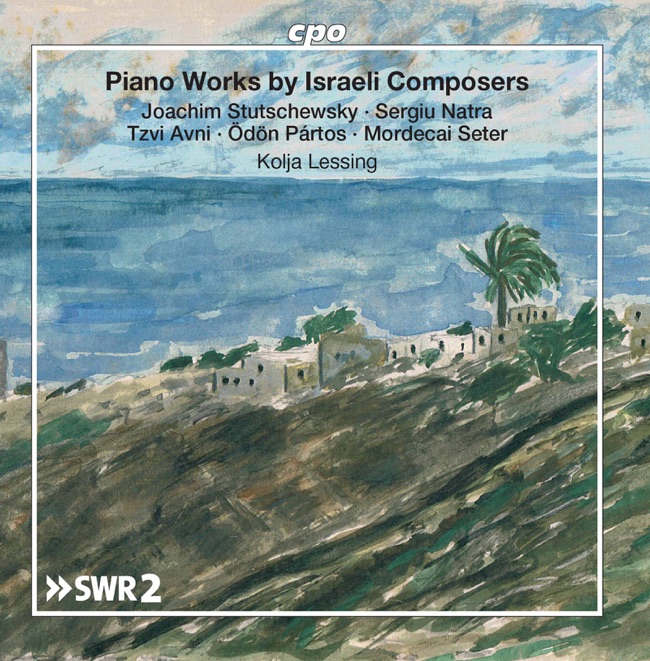 January 3, 2020
 -
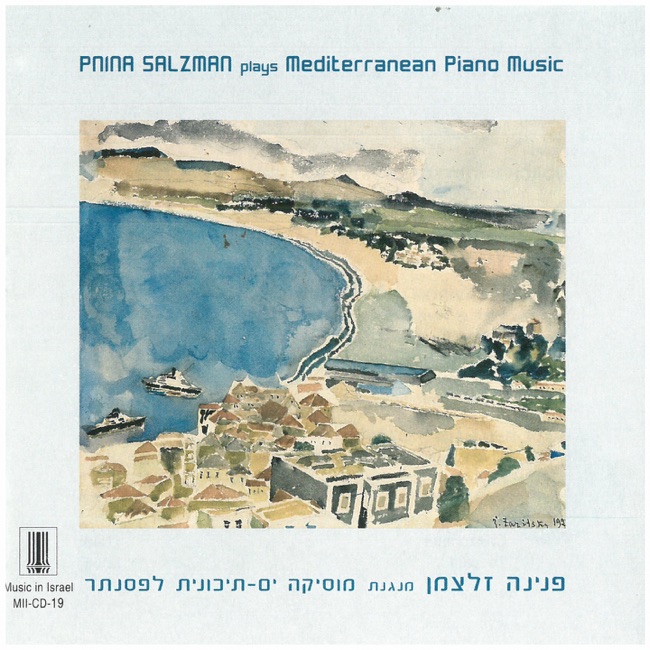 February 11, 2014
 -
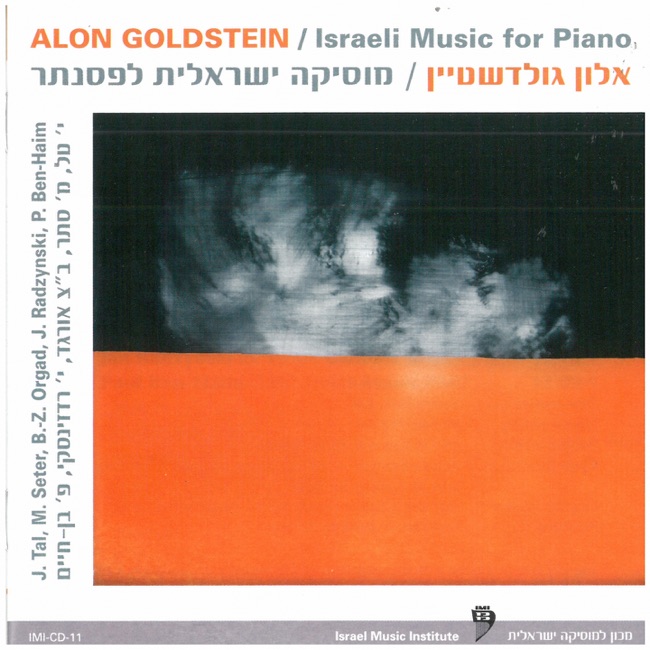 June 11, 2013
Chamber
-
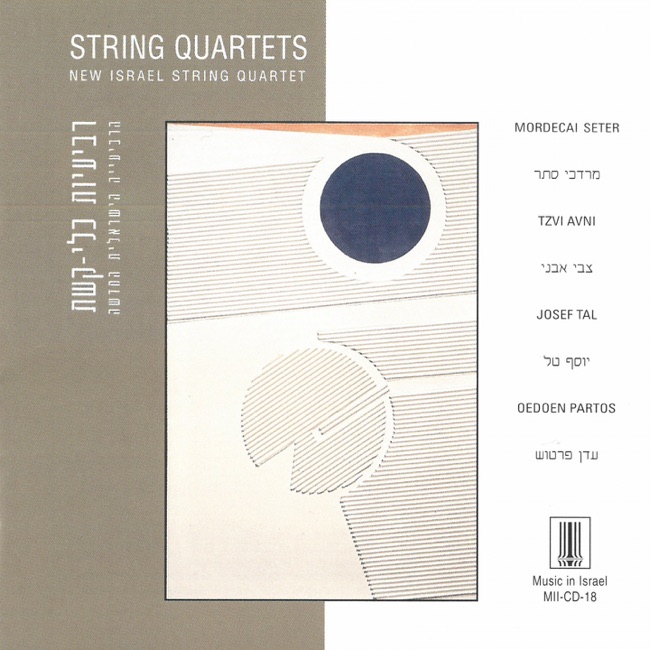 June 10, 2014
Artist Info
Role:ComposerBirth:1916Death:1994Mordecai Seter was a prominent Israeli composer of classical music, known for his unique style that blended traditional Jewish melodies with contemporary Western classical music. Born on August 26, 1916, in Moscow, Russia, Seter's family moved to Palestine when he was just a year old. Growing up in Jerusalem, Seter was exposed to a rich cultural heritage that included both Jewish and Arab music, which would later influence his compositions. Seter's musical journey began at a young age when he started playing the piano and the violin. He later studied composition with Paul Ben-Haim, a renowned Israeli composer who also blended Jewish and Western music. Seter's early works were heavily influenced by Ben-Haim's style, but he soon developed his own unique voice. In 1940, Seter moved to the United States to study at the Juilliard School in New York City. There, he studied with some of the most prominent composers of the time, including Aaron Copland and Roger Sessions. Seter's time in the United States was a formative period in his career, and he was exposed to a wide range of musical styles that would later influence his compositions. After completing his studies in the United States, Seter returned to Israel and began teaching at the Jerusalem Academy of Music and Dance. He also became a prominent figure in the Israeli music scene, and his compositions were performed by some of the country's leading orchestras and ensembles. Seter's compositions were characterized by their unique blend of Jewish and Western musical traditions. He often incorporated traditional Jewish melodies and scales into his works, but he also experimented with contemporary compositional techniques. Seter's music was often described as "neo-classical," as it combined elements of classical music with modernist techniques. One of Seter's most famous works is his "Yizkor" Requiem, which was composed in memory of the victims of the Holocaust. The piece was first performed in 1963 and has since become a staple of the Israeli classical music repertoire. The "Yizkor" Requiem is a powerful and emotional work that combines traditional Jewish melodies with contemporary compositional techniques. Another notable work by Seter is his "Symphony No. 3," which was composed in 1972. The symphony is a complex and challenging work that showcases Seter's mastery of orchestration and compositional technique. The piece is characterized by its use of unconventional harmonies and rhythms, and it has been praised for its originality and creativity. Seter's other notable works include his "Concerto for Viola and Orchestra," his "String Quartet No. 2," and his "Sonata for Piano." All of these works showcase Seter's unique style and his ability to blend traditional Jewish melodies with contemporary compositional techniques. Throughout his career, Seter was recognized for his contributions to Israeli music. He was awarded the Israel Prize in 1983, which is the country's highest honor for achievement in the arts and sciences. Seter was also awarded the ACUM Prize for Lifetime Achievement in 1996, and he was named an honorary member of the Israel Philharmonic Orchestra in 2001. Mordecai Seter passed away on March 8, 1994, at the age of 77. His legacy lives on through his compositions, which continue to be performed and celebrated by musicians and audiences around the world.More....
Recent Artist Music
Copyright Ⓒ 2013 Davinci Finger. All rights reseved
Service Terms & Policy