


Rosy Wertheim
Released Album
Vocal
-
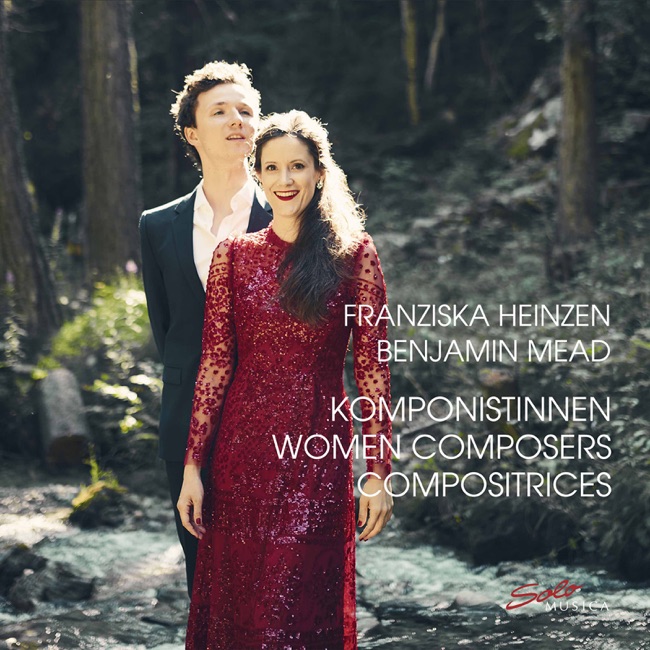 October 15, 2021
Keyboard
-
 November 18, 2022
Chamber
-
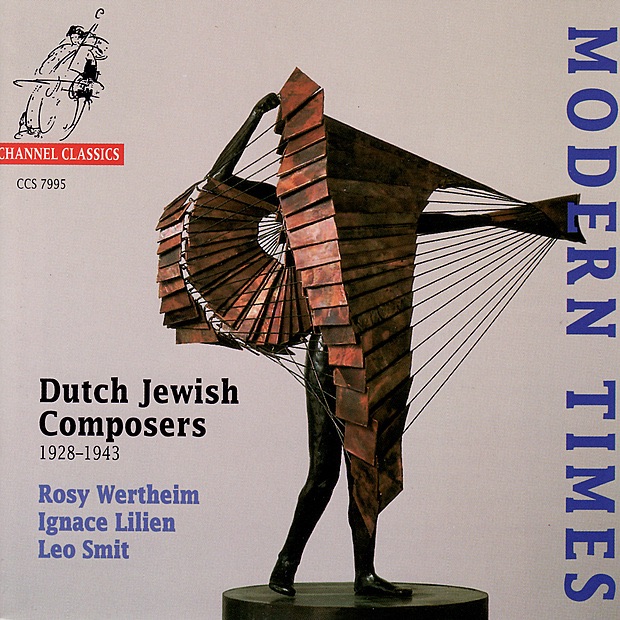 August, 1995
Artist Info
Role:ComposerPeriod:ModernGenre:ChamberVocalRosy Wertheim was a Dutch composer and pianist who was born on February 19, 1888, in Amsterdam, Netherlands. She was the daughter of a wealthy Jewish family, and her father was a successful diamond merchant. Wertheim showed an early interest in music and began taking piano lessons at the age of six. She was a prodigious talent and quickly became known for her exceptional musical abilities. Wertheim's family was supportive of her musical pursuits, and they provided her with the best education possible. She studied piano with several renowned teachers, including Cornelis Dopper and Ulfert Schults. She also studied composition with Willem Pijper, who was a leading figure in the Dutch music scene at the time. Wertheim's early compositions were heavily influenced by the music of Claude Debussy and Maurice Ravel. She was particularly drawn to their use of impressionistic harmonies and unconventional chord progressions. Wertheim's music was also influenced by the folk music of her native Netherlands, and she often incorporated traditional Dutch melodies into her compositions. Wertheim's first major success as a composer came in 1917 when her piano suite "Drie Impressies" (Three Impressions) was performed at the Concertgebouw in Amsterdam. The piece was well-received by audiences and critics alike, and it established Wertheim as a rising star in the Dutch music scene. Over the next few years, Wertheim continued to compose and perform, and she became increasingly involved in the Dutch music community. She was a founding member of the Dutch Society for Contemporary Music, which was dedicated to promoting new music by Dutch composers. She also served as the society's secretary for several years. Wertheim's most significant work from this period was her opera "De Weg" (The Way), which premiered in 1920. The opera was based on a play by the Dutch writer Herman Heijermans and dealt with themes of social justice and the struggle for freedom. The opera was a critical success, and it cemented Wertheim's reputation as one of the leading composers of her generation. In the years that followed, Wertheim continued to compose and perform, but her career was interrupted by the rise of the Nazi party in Germany. Wertheim was Jewish, and she was forced to flee the Netherlands in 1940 to escape persecution. She spent the next few years living in various countries, including England and the United States. Despite the upheaval in her personal life, Wertheim continued to compose during this period. Her music became more introspective and reflective, and she began to experiment with new forms and techniques. One of her most significant works from this period was her "Sonata for Violin and Piano," which was composed in 1943. The piece was a departure from Wertheim's earlier work, and it showcased her ability to create complex and emotionally charged music. Wertheim returned to the Netherlands in 1945 after the end of World War II. She continued to compose and perform, but her health began to decline in the late 1950s. She suffered a stroke in 1958, which left her partially paralyzed and unable to play the piano. Despite her physical limitations, Wertheim continued to compose, and she dictated her music to her husband, who transcribed it for her. Wertheim's final years were marked by a renewed interest in her music. In 1963, a concert was held in her honor at the Concertgebouw in Amsterdam, and several of her works were performed.More....
Recent Artist Music

Copyright Ⓒ 2013 Davinci Finger. All rights reseved
Service Terms & Policy