


Gennaro Manna
Released Album
Opera
-
 November 5, 2021
 -
 September 2, 2013
Choral
-
 December 10, 2021
 -
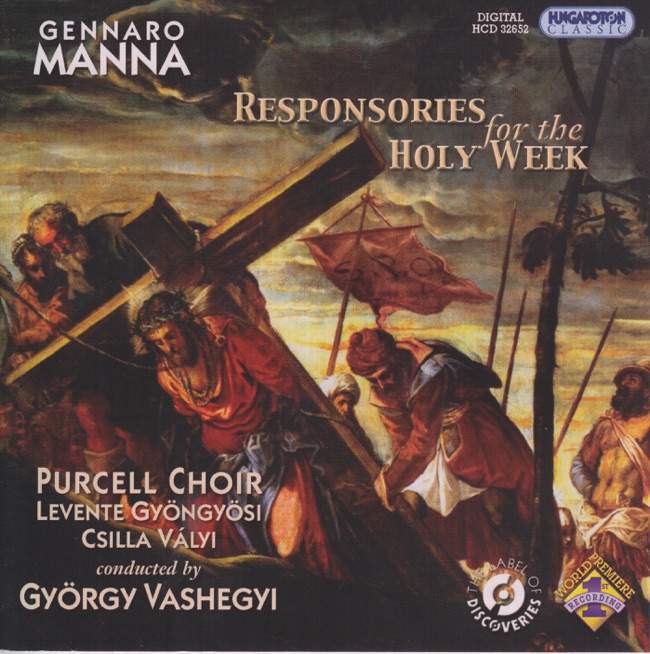 October 26, 2010
Vocal
-
 March 24, 2017
Artist Info
Role:ComposerBirth:1715Death:1779Gennaro Manna was a renowned Italian composer of classical music who lived from 1715 to 1779. He was born in Naples, Italy, and grew up in a family of musicians. His father, Francesco Manna, was a composer and violinist, and his mother, Maria Teresa Cimmino, was a singer. Gennaro showed an early interest in music and began studying the violin and composition at a young age. Manna's musical education was extensive and diverse. He studied with some of the most prominent musicians of his time, including Francesco Durante, Leonardo Leo, and Nicola Porpora. He also traveled extensively throughout Italy, studying and performing in various cities and towns. Manna's travels exposed him to a wide range of musical styles and traditions, which he incorporated into his own compositions. Manna's early works were primarily vocal pieces, including operas, cantatas, and oratorios. His first opera, "La Festa di Bacco," was performed in Naples in 1738 and was well-received by audiences and critics alike. Manna continued to compose operas throughout his career, including "L'Inganno Felice," "La Finta Contessa," and "La Finta Giardiniera." In addition to his operas, Manna also composed a number of sacred works, including masses, motets, and hymns. His sacred music was highly regarded and was often performed in churches throughout Italy. One of his most famous sacred works is the "Stabat Mater," a hymn that describes the suffering of Mary during the crucifixion of Jesus. Manna's instrumental music was also highly regarded. He composed a number of sonatas for various instruments, including the violin, cello, and flute. His sonatas were known for their technical virtuosity and expressive melodies. Manna's chamber music was also highly regarded, and he composed a number of string quartets and quintets. One of Manna's most famous works is his "Concerto for Mandolin and Strings." The concerto was composed in the 1750s and is considered one of the earliest examples of a concerto for mandolin. The piece is known for its virtuosic mandolin solos and its lively, dance-like rhythms. Manna's music was highly regarded during his lifetime, and he was considered one of the leading composers of his time. His works were performed throughout Italy and Europe, and he was often commissioned to compose music for special occasions and events. Manna's music was known for its expressive melodies, technical virtuosity, and incorporation of diverse musical styles and traditions. Despite his success as a composer, Manna faced a number of challenges throughout his career. He struggled with financial difficulties and was often forced to take on teaching positions to make ends meet. He also faced criticism from some quarters for his incorporation of popular musical styles into his compositions. Despite these challenges, Manna continued to compose throughout his life. He died in Naples in 1779, leaving behind a legacy of innovative and expressive music. Today, his works continue to be performed and studied by musicians and music lovers around the world.More....
Recent Artist Music
2
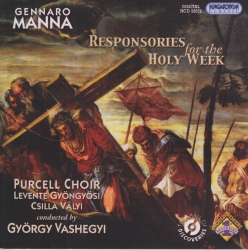
Nagycjótzerki responzóriumok (Responsories for Maundy Thursday)
Responso: In monte Oliveti oravit
1:54






Copyright Ⓒ 2013 Davinci Finger. All rights reseved
Service Terms & Policy