


Peter Racine Fricker
Released Album
Chamber
-
 March 8, 2024
 -
 February 16, 2018
 -
 February 10, 2017
 -
 April 8, 2013
 -
-
 March 12, 1996
Keyboard
-
 April 5, 2019
 -
 October 12, 2018
 -
-
 May 28, 2002
Miscellaneous
-
 September 23, 2016
Symphony
Artist Info
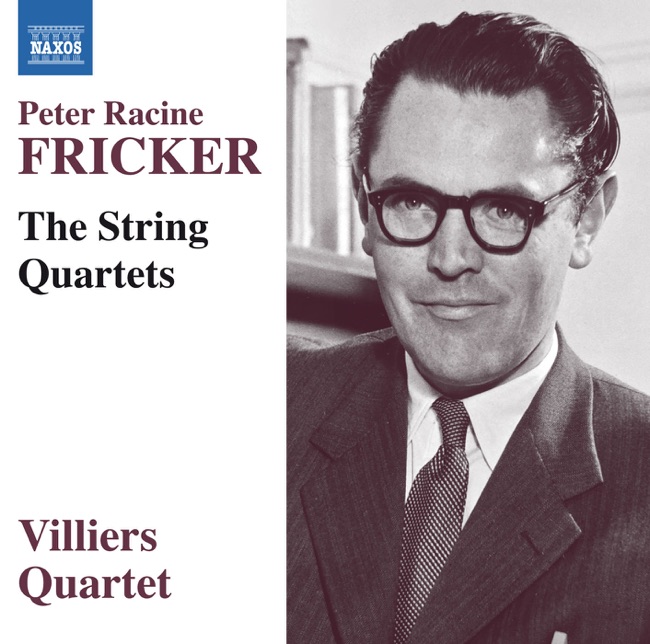
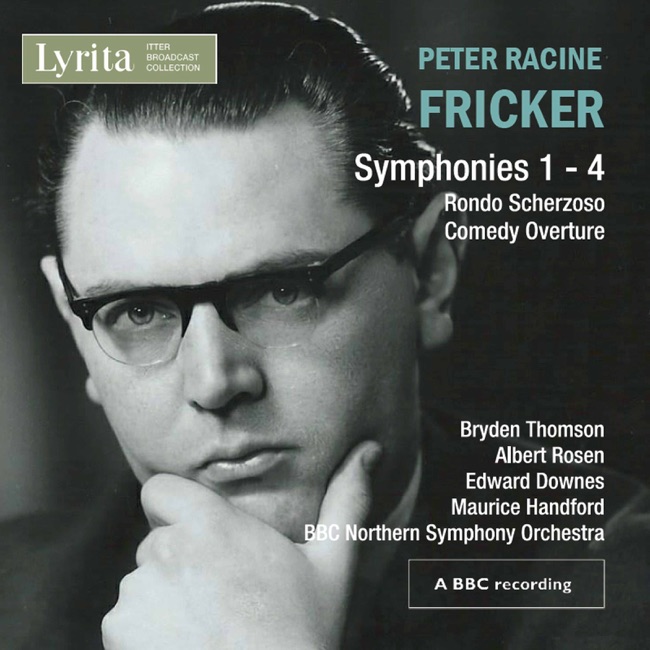
Role:ComposerCountry: United KingdomBirth:September 5, 1920 in London, EnglandDeath:February 1, 1990 in Santa Barbara, CAPeriod:ContemporaryGenre:ChamberKeyboardSymphonyPeter Racine Fricker was a British composer who was born on September 5, 1920, in London, England. He was the son of a civil servant and a pianist, and he grew up in a musical household. Fricker began playing the piano at a young age and showed an early interest in composition. He attended the Royal College of Music in London, where he studied composition with R. O. Morris and piano with Arthur Alexander. Fricker's early works were influenced by the music of Arnold Schoenberg and the Second Viennese School. He was also interested in the music of Igor Stravinsky and Béla Bartók. Fricker's first major work was his Symphony No. 1, which he composed in 1941 while he was still a student at the Royal College of Music. The symphony was well-received and helped establish Fricker as a promising young composer. After completing his studies, Fricker worked as a freelance composer and music critic. He also taught composition at the Royal College of Music and the University of California, Santa Barbara. Fricker's music continued to evolve, and he began to incorporate elements of serialism and other modernist techniques into his compositions. One of Fricker's most significant works is his String Quartet No. 2, which he composed in 1951. The quartet is a twelve-tone work that is notable for its complex rhythms and intricate counterpoint. The piece was premiered by the Griller Quartet and was well-received by critics. Fricker's music was often characterized by its intellectual rigor and complexity. He was interested in exploring new musical ideas and techniques, and his compositions often reflected this. Fricker's music was also marked by its emotional intensity and expressive power. In addition to his string quartets and symphonies, Fricker composed a number of other works, including concertos, chamber music, and vocal music. One of his most notable works is his Concerto for Viola and Orchestra, which he composed in 1953. The concerto is a virtuosic work that showcases the viola's expressive range and technical capabilities. Fricker's music was performed by many of the leading orchestras and ensembles of his time, including the London Symphony Orchestra, the BBC Symphony Orchestra, and the New York Philharmonic. He also received numerous awards and honors for his work, including a Guggenheim Fellowship and a commission from the Royal Philharmonic Society. Fricker continued to compose and teach until his death on February 1, 1990. His legacy as a composer and educator continues to be felt today, and his music remains an important part of the classical repertoire.More....
Recent Artist Music
1
5:26
2
9:42
6
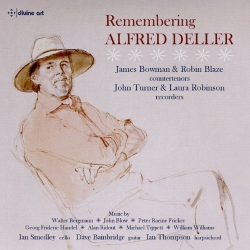
The Tomb of St Eulalia, Op. 25
Elegy: The Tomb of St. Eulalia, Op. 25, for countertenor, cello & harpsichord
7:42
12
3:4
13

5:15
14
5:54
15
1:48
Copyright Ⓒ 2013 Davinci Finger. All rights reseved
Service Terms & Policy