


Jacobus de Kerle
Released Album
Choral
-
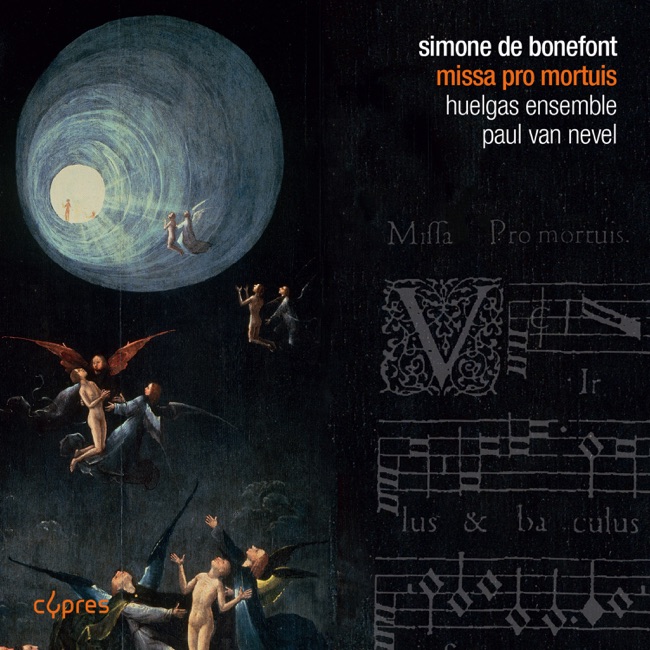 May 8, 2020
 -
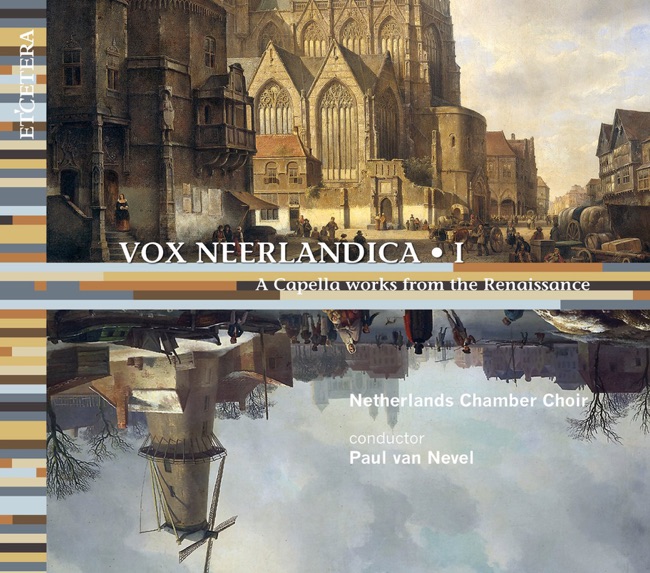 September 1, 2009
 -
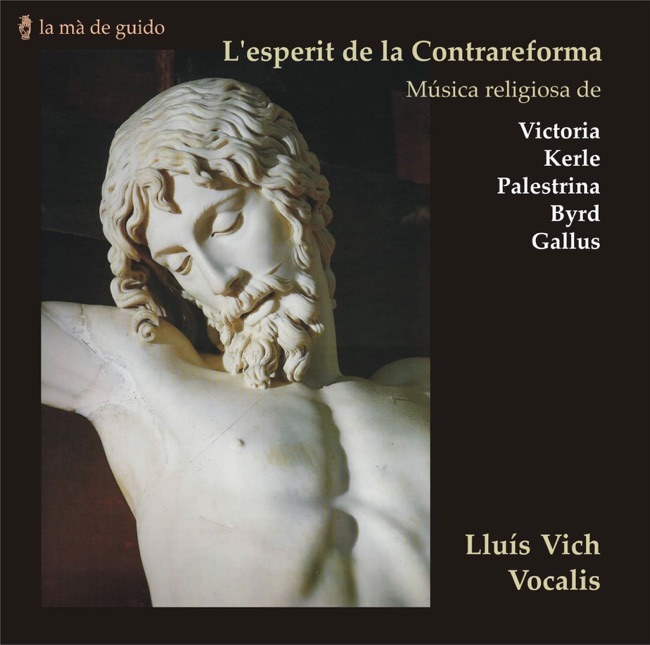 July 17, 2007
 -
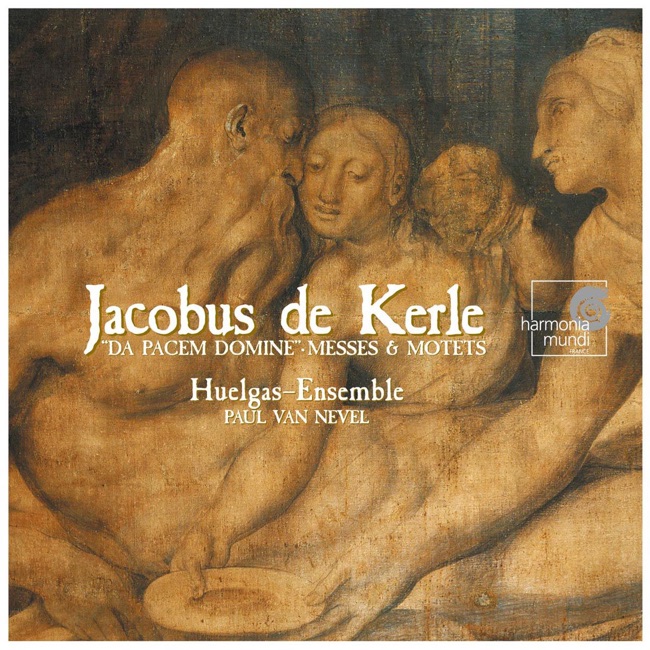 January 9, 2006
Miscellaneous
-
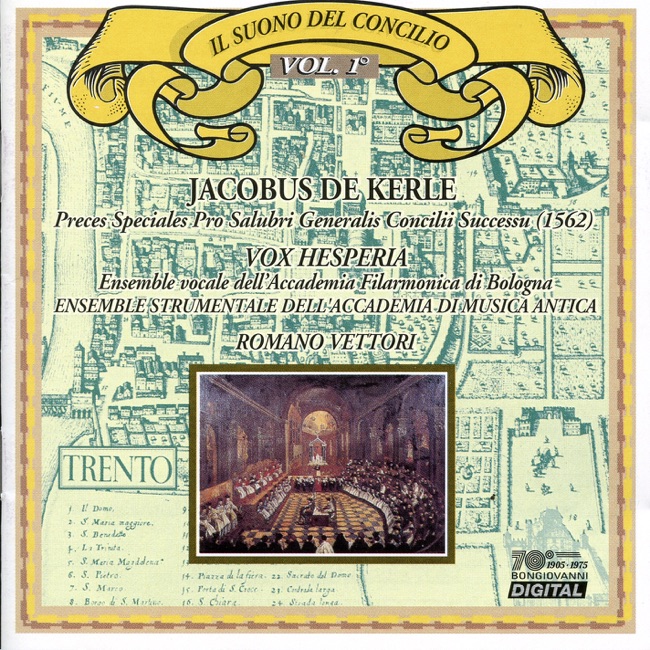 March 1, 2015
 -
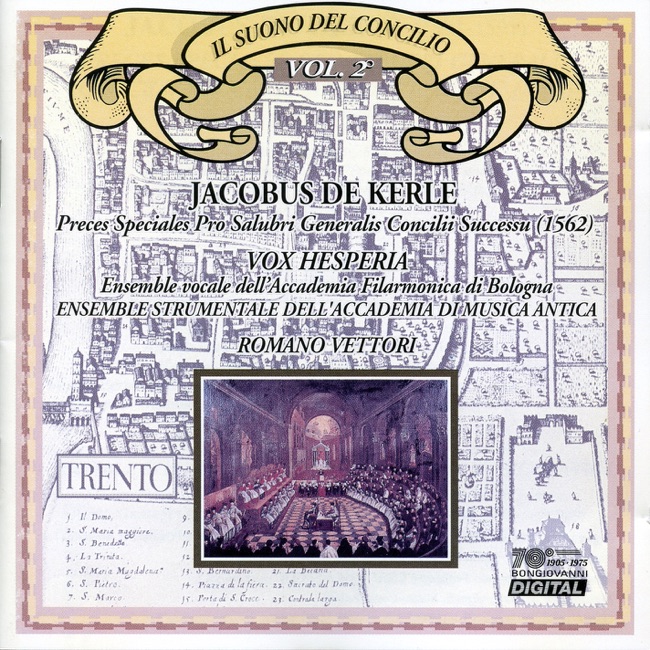 January 1, 2015
Artist Info
Role:ComposerCountry: NetherlandsBirth:1531Death:January 7, 1591Period:RenaissanceGenre:ChoralJacobus de Kerle was a prominent composer of the Renaissance era, born in the year 1531 in the town of Ypres, located in present-day Belgium. He was the son of a wealthy merchant, and his family was known for their love of music. As a child, Jacobus showed a keen interest in music and began his musical education at a young age. Jacobus de Kerle's early musical training was under the tutelage of his father, who was a skilled musician himself. He was also fortunate to receive training from some of the most renowned musicians of his time, including Adrian Willaert and Cipriano de Rore. Willaert was a Flemish composer who was the maestro di cappella at St. Mark's Basilica in Venice, while de Rore was an Italian composer who was known for his madrigals. Jacobus de Kerle's musical education was not limited to composition and performance. He also received training in music theory, which was an essential aspect of music education during the Renaissance era. He studied the works of the ancient Greek philosopher Pythagoras, who was known for his contributions to music theory. Jacobus also studied the works of the famous music theorist Johannes Tinctoris, who was a contemporary of Guillaume Dufay. Jacobus de Kerle's musical career began in earnest when he was appointed as the maestro di cappella at the Cathedral of St. Donatian in Bruges. This was a prestigious position, and it allowed him to showcase his talents as a composer and conductor. During his time in Bruges, Jacobus composed a number of works, including masses, motets, and chansons. One of Jacobus de Kerle's most famous works is his Missa pro defunctis, which is also known as the Requiem Mass. This work was composed in memory of his father, who had passed away in 1562. The Missa pro defunctis is a beautiful and haunting work that is still performed today. It is considered to be one of the finest examples of Renaissance polyphony. Another notable work by Jacobus de Kerle is his Magnificat octavi toni. This work is a setting of the Magnificat, which is a hymn of praise to the Virgin Mary. The Magnificat octavi toni is a complex and intricate work that showcases Jacobus's skill as a composer. It is also notable for its use of chromaticism, which was a relatively new technique at the time. Jacobus de Kerle's music was highly regarded during his lifetime, and he was often compared to other great composers of the Renaissance era, such as Palestrina and Lassus. His music was known for its complexity and beauty, and it was often performed in the courts of Europe. He was also highly respected as a teacher, and many of his students went on to become successful composers in their own right. Jacobus de Kerle's musical career came to an end in 1591 when he passed away in his hometown of Ypres. He was buried in the Church of St. Martin, which was located near his family's home. Despite his relatively short life, Jacobus de Kerle left behind a rich legacy of music that continues to be celebrated today. His works are still performed by choirs and ensembles around the world, and they continue to inspire new generations of musicians.More....
Recent Artist Music
3
2:34
6
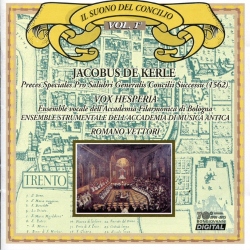
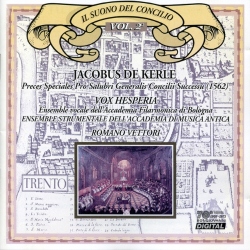
Preces Speciales per Salubri Generalis Concilii Successu ac Conclusione, Part 2
Responsorium II: Corpus. Descendat, Domine
4:14
Copyright Ⓒ 2013 Davinci Finger. All rights reseved
Service Terms & Policy