


Douglas Boyce
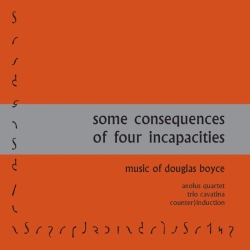
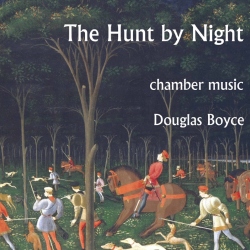
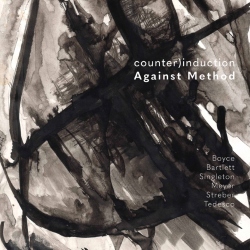
Released Album
Chamber
-
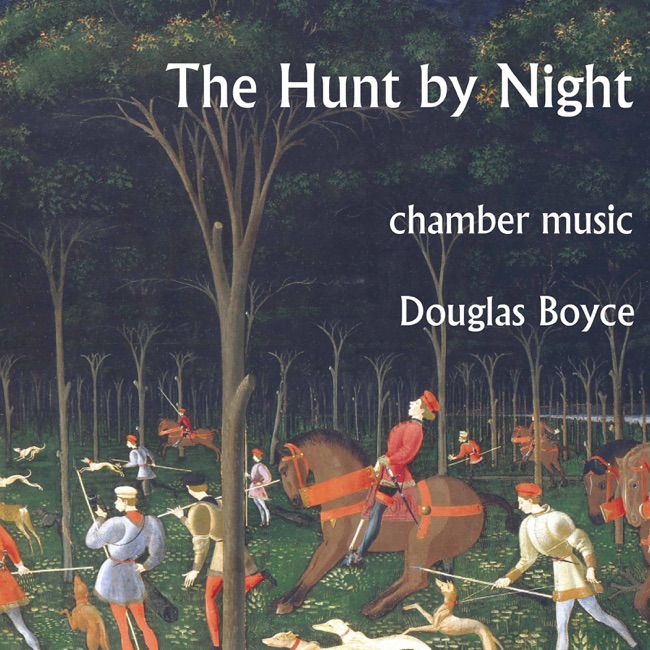 March 5, 2021
 -
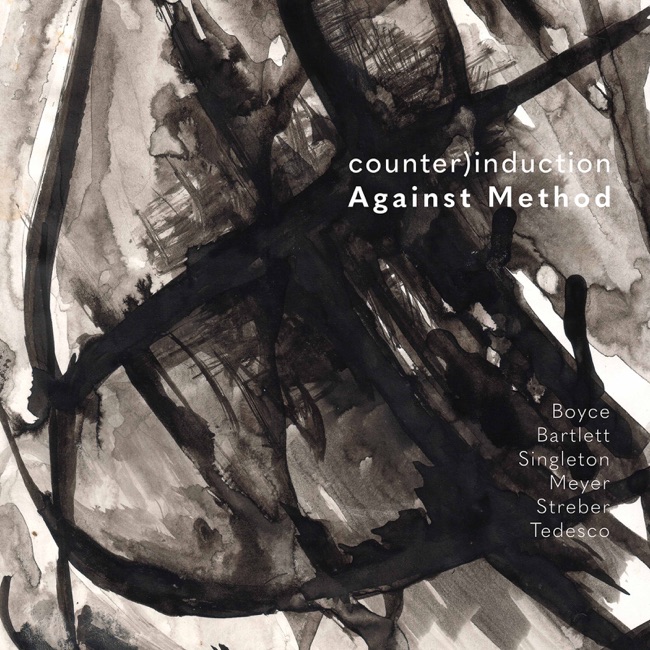 November 6, 2020
 -
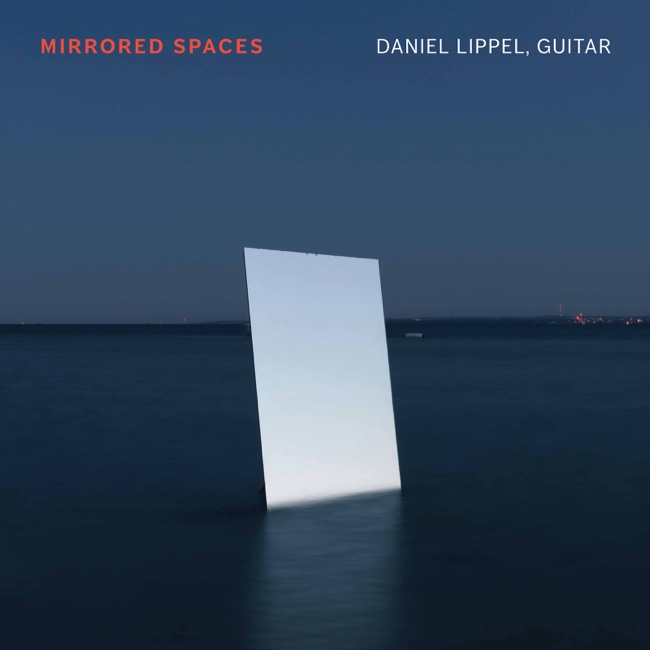 November 15, 2019
 -
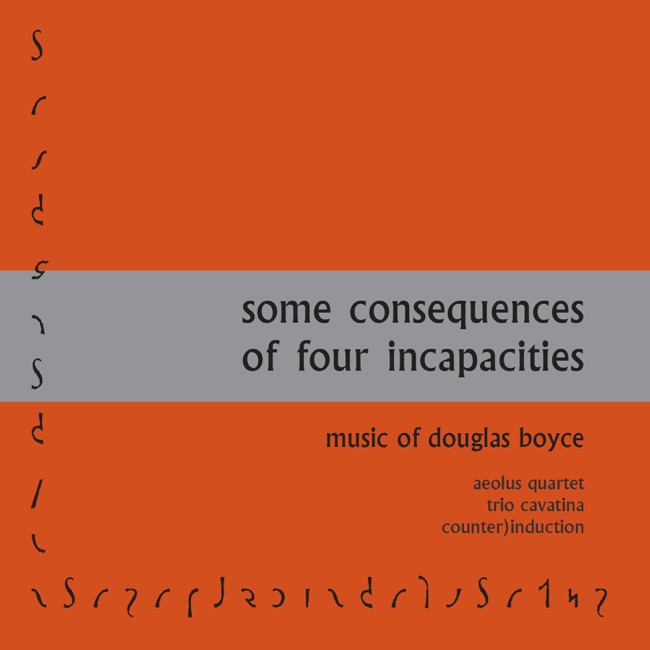
Artist Info
Role:ComposerBirth:1970 in New York City, NYDouglas Boyce is a contemporary classical music composer who was born in 1970 in New York City. He grew up in a family of musicians, with his father being a jazz pianist and his mother a classical pianist. Boyce began playing the piano at a young age and later learned to play the trumpet and guitar. He attended the Manhattan School of Music, where he studied composition with Nils Vigeland and David Noon. He later earned a Ph.D. in composition from Harvard University, where he studied with Mario Davidovsky and Bernard Rands. Boyce's music is characterized by its intricate harmonies, complex rhythms, and use of extended techniques. He draws inspiration from a wide range of sources, including Renaissance polyphony, Baroque counterpoint, and contemporary experimental music. His works often explore themes of memory, identity, and the relationship between sound and silence. One of Boyce's earliest works is his String Quartet No. 1, which he composed in 2001. The piece is a tribute to the composer's grandfather, who was a violinist in the New York Philharmonic. The quartet is structured in three movements, each of which explores a different aspect of the string quartet tradition. The first movement is a lively and rhythmic scherzo, while the second movement is a slow and introspective adagio. The final movement is a fast and virtuosic allegro, which showcases the technical abilities of the performers. Another notable work by Boyce is his Symphony No. 1, which he composed in 2008. The symphony is a large-scale work for orchestra, which is divided into four movements. The first movement is a slow and atmospheric introduction, which sets the tone for the rest of the piece. The second movement is a lively and rhythmic scherzo, which features complex polyrhythms and intricate counterpoint. The third movement is a slow and introspective adagio, which explores themes of loss and mourning. The final movement is a fast and energetic allegro, which brings the symphony to a thrilling conclusion. In addition to his instrumental works, Boyce has also composed a number of vocal works, including his song cycle "The Gentleman's Island" and his opera "The Trial of Susan B. Anthony." "The Gentleman's Island" is a setting of six poems by W.H. Auden, which explore themes of love, loss, and mortality. The cycle is scored for soprano and piano, and features intricate vocal lines and complex harmonies. "The Trial of Susan B. Anthony" is a one-act opera, which tells the story of the famous suffragist's trial for voting illegally in the 1872 presidential election. The opera is scored for a small ensemble, and features a mix of spoken dialogue and sung passages. Boyce's music has been performed by a number of prominent ensembles, including the New York Philharmonic, the Boston Symphony Orchestra, and the Kronos Quartet. He has received numerous awards and honors for his work, including the Rome Prize, the Guggenheim Fellowship, and the Charles Ives Fellowship from the American Academy of Arts and Letters. He currently teaches composition at the Mannes School of Music in New York City.More....
Recent Artist Music

Copyright Ⓒ 2013 Davinci Finger. All rights reseved
Service Terms & Policy