


Costanzo Festa
Released Album
Choral
-
 November 27, 2012
 -
 September 13, 2011
 -
 June 1, 2011
 -
 February 29, 2008
 -
 May 2, 2006
 -
 April 11, 2006
Vocal
-
 April 6, 2018
 -
 February 2, 2009
Miscellaneous
-
 October 6, 2003
Chamber
-
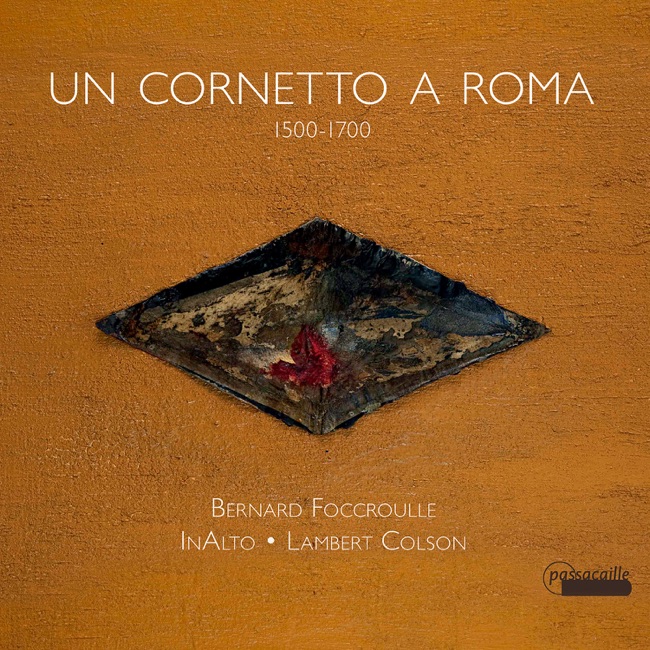 October 26, 2017
Artist Info
Role:ComposerCountry: ItalyBirth:1490 in Piedmont, NCDeath:April 10, 1545 in Rome, ItalyPeriod:RenaissanceGenre:ChoralCostanzo Festa was a prominent Italian composer of the Renaissance period, born in the year 1485 in the city of Rome. He was a contemporary of other famous composers of the time, such as Josquin des Prez and Giovanni Pierluigi da Palestrina. Festa was known for his contributions to the development of polyphonic music, which was a style of music that involved multiple voices singing different melodies at the same time. Festa's early life is not well documented, but it is believed that he received his musical education in Rome, possibly at the Sistine Chapel. He was likely exposed to the works of the great composers of the time, such as Josquin des Prez and Antoine Brumel, who were known for their innovative use of polyphony. Festa's early compositions show the influence of these composers, but he also developed his own unique style that set him apart from his contemporaries. Festa's career as a composer began in earnest in the early 16th century, when he was appointed as a singer at the Sistine Chapel. This was a prestigious position that allowed him to work alongside some of the most talented musicians of the time. Festa quickly gained a reputation as a skilled composer, and his works were performed at important events such as papal masses and other religious ceremonies. One of Festa's most famous works is his Missa super Ave Maria, which was composed in the early 16th century. This mass is notable for its use of polyphony, which was a relatively new technique at the time. The mass is based on the melody of the popular hymn "Ave Maria," which was a favorite of many composers of the time. Festa's version of the hymn is set to a complex polyphonic arrangement that showcases his skill as a composer. Festa's other works include a number of motets, which were religious compositions that were often performed during church services. One of his most famous motets is his "Quis dabit oculis," which is a setting of a text from the Book of Lamentations. This motet is notable for its use of chromaticism, which was a technique that involved using notes outside of the traditional diatonic scale. Festa's use of chromaticism was innovative for the time, and it helped to establish him as a leading composer of the Renaissance period. Festa's career as a composer was not without its challenges. In the early 16th century, the Protestant Reformation was beginning to gain momentum, and many composers found themselves caught up in the religious and political turmoil of the time. Festa was no exception, and he was forced to navigate the complex political landscape of Renaissance Italy in order to continue his work as a composer. Despite these challenges, Festa continued to produce innovative and influential works throughout his career. Festa's legacy as a composer has endured to the present day. His works continue to be performed and studied by musicians and scholars around the world, and his contributions to the development of polyphonic music have been recognized as significant. Festa's influence can be seen in the works of later composers such as Palestrina and Orlando di Lasso, who built on his innovations to create some of the most beautiful and complex music of the Renaissance period. In conclusion, Costanzo Festa was a prominent Italian composer of the Renaissance period who made significant contributions to the development of polyphonic music.More....
Recent Artist Music


Copyright Ⓒ 2013 Davinci Finger. All rights reseved
Service Terms & Policy