


Otto Teich
Artist Info
Role:ComposerOtto Teich was a German composer and pianist who lived from 1869 to 1951. He was born in the city of Leipzig, which was a hub of musical activity during the 19th century. His father was a music teacher, and his mother was a singer, so it was natural for Otto to be exposed to music from a young age. Otto showed an early talent for music, and he began studying piano and composition at a young age. He was a student at the Leipzig Conservatory, where he studied with some of the most prominent musicians of the time, including Carl Reinecke and Salomon Jadassohn. He also studied with the composer Max Reger, who was known for his complex and innovative music. After completing his studies, Otto began his career as a pianist and composer. He performed in concerts throughout Germany and Europe, and his compositions were well-received by audiences and critics alike. He was known for his lyrical melodies, rich harmonies, and inventive use of form and structure. One of Otto's most famous works is his Piano Concerto in A minor, which he composed in 1902. The concerto is a virtuosic showcase for the soloist, with sweeping melodies and intricate passagework. It was premiered in Leipzig with Otto as the soloist, and it was an immediate success. The concerto has since become a staple of the piano repertoire, and it is still performed and recorded today. Another notable work by Otto is his Symphony No. 1 in C minor, which he composed in 1910. The symphony is a grand and ambitious work, with four movements that showcase Otto's mastery of orchestration and form. The symphony was premiered in Leipzig, and it was praised for its originality and emotional depth. In addition to his concert works, Otto also composed music for the theater and film. He wrote several operas, including "Die Schöne Müllerin" and "Der Freischütz," which were performed in theaters throughout Germany. He also wrote music for silent films, including the classic horror film "Nosferatu." Despite his success as a composer and pianist, Otto's life was not without its challenges. He lived through two world wars, and his music was banned by the Nazi regime because he was Jewish. He was forced to flee Germany in 1933, and he spent the rest of his life in exile in Switzerland and the United States. Despite these difficulties, Otto continued to compose and perform throughout his life. He remained dedicated to his art, and he continued to explore new musical ideas and techniques. He died in New York City in 1951, leaving behind a legacy of beautiful and innovative music. Today, Otto Teich is remembered as one of the great composers of the early 20th century. His music is still performed and recorded by musicians around the world, and his influence can be heard in the work of many contemporary composers. His life and work serve as a testament to the power of music to transcend borders and bring people together.More....
Recent Artist Music
2
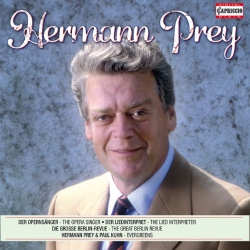
In the Grunewald, there is a wood auction in the Grunewald
Im Grunewald, im Grunewald ist Holzaktion
1:46
Copyright Ⓒ 2013 Davinci Finger. All rights reseved
Service Terms & Policy