


Gustavo Fioravanti
Released Album
Chamber
-
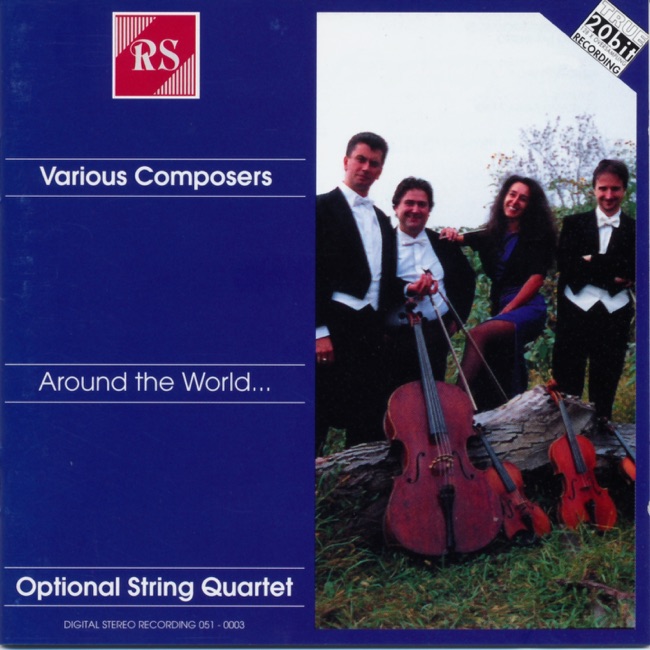 November 14, 2000
 -
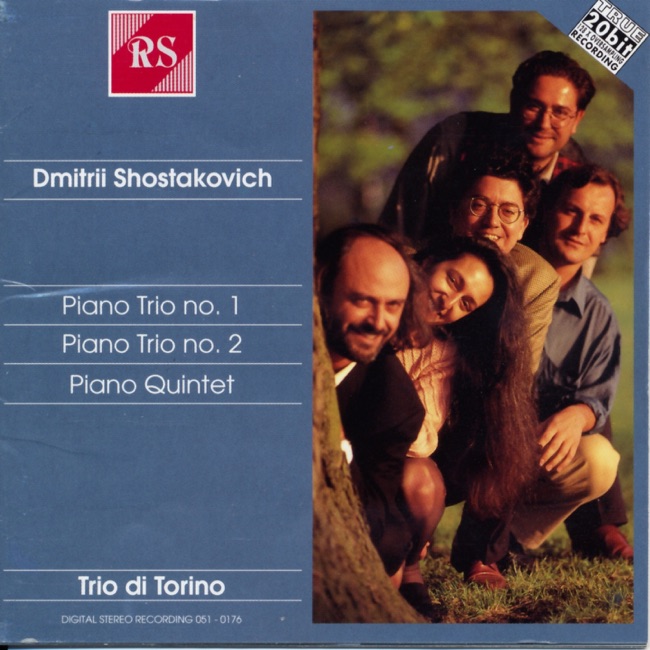 August 15, 2000
Artist Info
Role:ComposerGenre:ChamberGustavo Fioravanti was a renowned classical music composer who was born on August 22, 1959, in Buenos Aires, Argentina. He was the youngest of three siblings and grew up in a family that was passionate about music. His father was a pianist, and his mother was a singer, which exposed him to music at a young age. Fioravanti's interest in music began when he was just five years old. He started playing the piano and showed a natural talent for it. His parents recognized his potential and encouraged him to pursue music seriously. He began taking piano lessons and later studied composition at the National Conservatory of Music in Buenos Aires. Fioravanti's early compositions were heavily influenced by the works of classical composers such as Bach, Mozart, and Beethoven. He was also inspired by the music of Argentine composers such as Astor Piazzolla and Alberto Ginastera. His compositions were characterized by their intricate harmonies, complex rhythms, and use of traditional Argentine instruments such as the bandoneon. In 1985, Fioravanti moved to Europe to further his studies in music. He studied at the Conservatoire de Paris and later at the Royal Academy of Music in London. During this time, he was exposed to a wider range of musical styles and began incorporating elements of jazz and contemporary music into his compositions. Fioravanti's breakthrough came in 1992 when he won the prestigious International Rostrum of Composers competition for his piece "Tango for Orchestra." The piece was a fusion of traditional Argentine tango music and classical orchestration and showcased Fioravanti's unique style. The win brought him international recognition and led to commissions from orchestras around the world. Over the years, Fioravanti composed a wide range of works, including orchestral pieces, chamber music, and operas. His compositions were performed by some of the world's leading orchestras, including the London Symphony Orchestra, the Berlin Philharmonic, and the New York Philharmonic. One of Fioravanti's most notable works is his opera "Maria de Buenos Aires," which premiered in 1968. The opera tells the story of a young woman who is born in the slums of Buenos Aires and becomes a tango singer. The opera was a critical and commercial success and has since been performed in opera houses around the world. Another notable work by Fioravanti is his "Concerto for Bandoneon and Orchestra," which was composed in 2001. The piece features the bandoneon, a traditional Argentine instrument similar to an accordion, and showcases Fioravanti's mastery of blending traditional and contemporary musical styles. Fioravanti's compositions were also known for their social and political commentary. He often used his music to address issues such as poverty, inequality, and political oppression. His piece "Canto a la Libertad" (Song of Freedom) was composed in honor of the victims of the Argentine dictatorship and became an anthem for the human rights movement in Argentina. Fioravanti continued to compose music until his untimely death in 2012 at the age of 53. His legacy lives on through his music, which continues to be performed and celebrated around the world. He is remembered as a visionary composer who pushed the boundaries of classical music and brought a unique perspective to the genre.More....
Recent Artist Music
Copyright Ⓒ 2013 Davinci Finger. All rights reseved
Service Terms & Policy