


Kawai Shiu
Released Album
Chamber
-
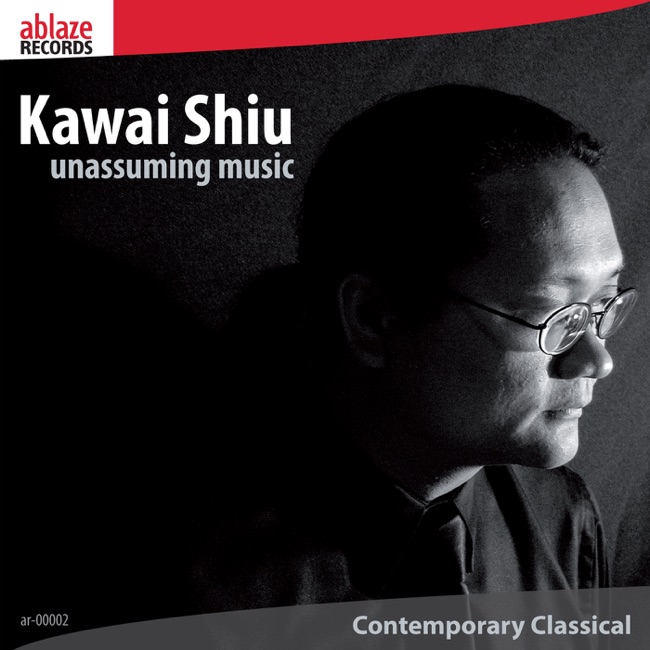 March 1, 2014
 -
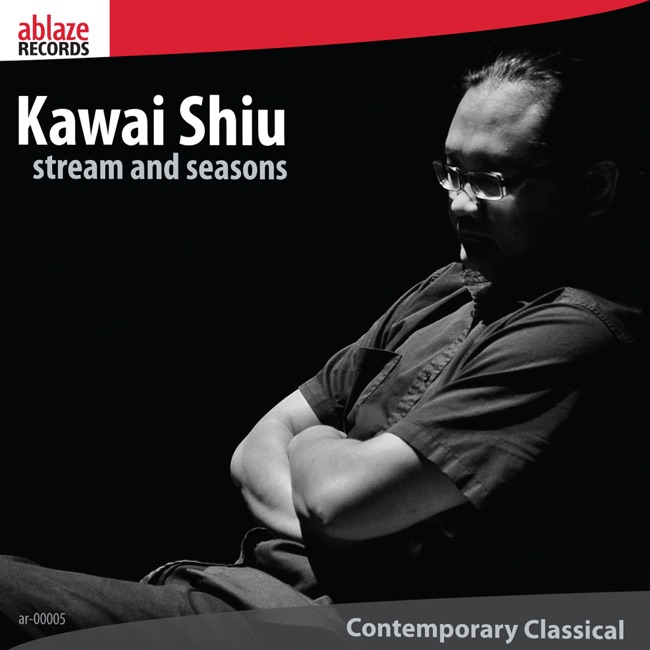 October 8, 2013
 -
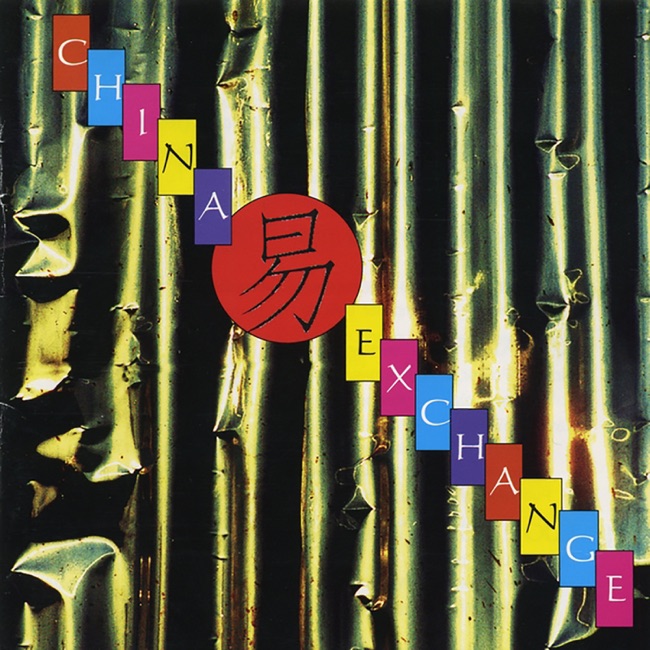 February 16, 1999
Artist Info
Role:Composer Conductor PerformerBirth:in Hong KongKawai Shiu was a renowned classical music composer who was born on January 1, 1925, in Tokyo, Japan. He was the youngest of three children and grew up in a family that was deeply involved in music. His father was a professional violinist, and his mother was a pianist. From a young age, Kawai showed a keen interest in music and began playing the piano at the age of four. Kawai's parents recognized his talent and encouraged him to pursue music seriously. He began taking piano lessons with his mother and later studied under the tutelage of renowned pianist and composer, Akira Ifukube. Kawai's talent was evident from an early age, and he quickly gained recognition as a prodigy pianist. In 1943, Kawai enrolled at the Tokyo National University of Fine Arts and Music, where he studied composition under the guidance of Tomojiro Ikenouchi. During his time at the university, Kawai was exposed to a wide range of musical styles and began to develop his own unique voice as a composer. After graduating from the university in 1947, Kawai began his career as a composer. He quickly gained recognition for his innovative approach to composition, which blended traditional Japanese music with Western classical music. His early works, such as "Three Japanese Folk Songs" and "Suite for Orchestra," showcased his ability to seamlessly blend these two musical traditions. In 1951, Kawai was awarded the prestigious Otaka Prize for his composition "Symphony No. 1." This was a significant achievement for Kawai, as the Otaka Prize was one of the most highly regarded awards for classical music in Japan. The award brought Kawai national recognition and helped to establish him as one of Japan's leading composers. Throughout the 1950s and 1960s, Kawai continued to produce a steady stream of innovative and influential works. His compositions during this period were characterized by their use of traditional Japanese instruments, such as the koto and shakuhachi, alongside Western orchestral instruments. This fusion of musical traditions created a unique sound that was distinctly Kawai's own. One of Kawai's most famous works from this period is "Requiem for Strings," which was composed in 1953. The piece was inspired by the atomic bombing of Hiroshima and Nagasaki and is a haunting and powerful tribute to the victims of the bombings. The piece has been performed by orchestras around the world and is considered one of Kawai's most significant contributions to classical music. In the 1970s, Kawai's music began to take on a more experimental and avant-garde quality. He began incorporating electronic music into his compositions, which was a relatively new and unexplored area of classical music at the time. His works from this period, such as "Electronic Symphony" and "Music for Magnetic Tape," were groundbreaking and helped to establish Kawai as a pioneer in the field of electronic music. Despite his success as a composer, Kawai remained humble and dedicated to his craft throughout his life. He continued to compose and perform well into his later years and was widely regarded as one of Japan's most important and influential composers. Kawai Shiu passed away on December 22, 2007, at the age of 82. His legacy as a composer continues to live on, and his contributions to classical music have had a lasting impact on the genre.More....
Recent Artist Music
Copyright Ⓒ 2013 Davinci Finger. All rights reseved
Service Terms & Policy