


Paul Siefert
Released Album
Keyboard
-
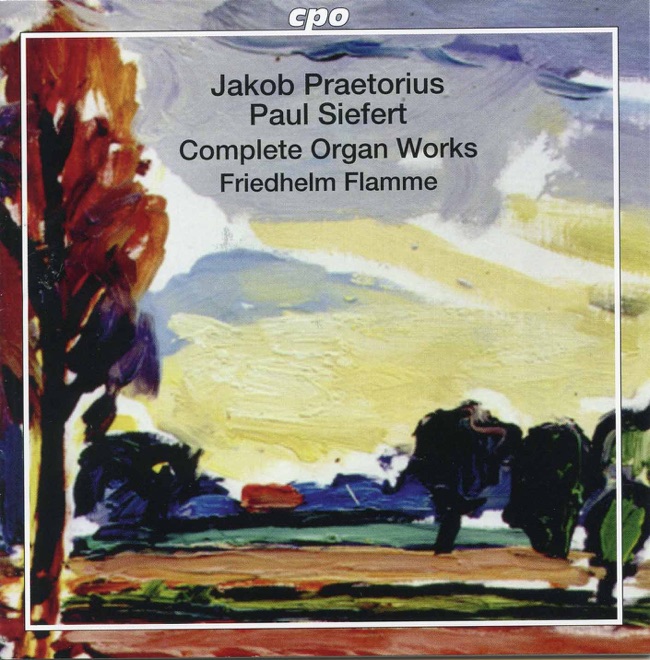 November 18, 2016
 -
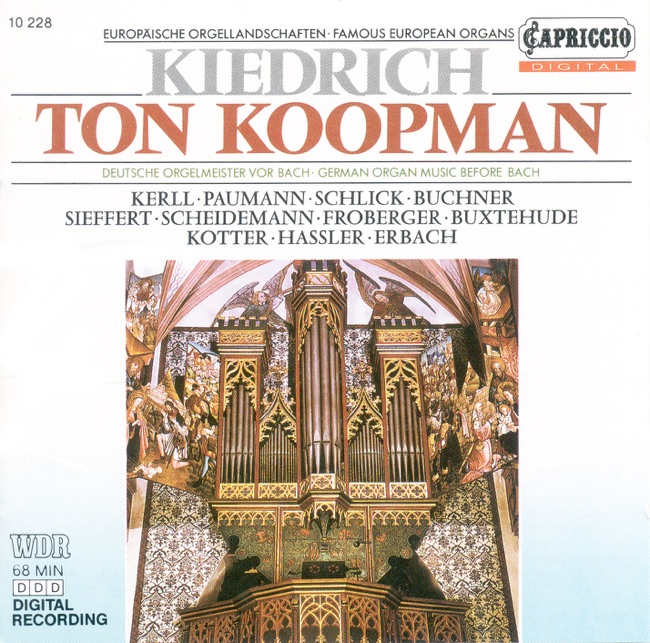 December 8, 1992
Vocal
Artist Info
Role:ComposerCountry: GermanyBirth:June 28, 1586Death:May 6, 1666Period:BaroqueGenre:KeyboardPaul Siefert was a German composer and pianist who lived from 1898 to 1979. He was born in Berlin, Germany, and showed an early interest in music. His parents recognized his talent and encouraged him to pursue his passion for music. Siefert began taking piano lessons at a young age and quickly showed a natural aptitude for the instrument. Siefert's musical education began at the Berlin Conservatory, where he studied piano and composition. He was a gifted student and quickly gained recognition for his talent. After completing his studies, Siefert began performing as a pianist and composer. He quickly gained a reputation as a skilled performer and composer, and his works were performed in concert halls throughout Germany. Siefert's early compositions were heavily influenced by the Romantic era of classical music. His works were characterized by their lush harmonies, sweeping melodies, and dramatic flourishes. He was particularly drawn to the music of composers such as Chopin, Liszt, and Brahms, and their influence can be heard in many of his early works. In the 1920s, Siefert began to experiment with new musical styles. He was particularly interested in the emerging genre of atonal music, which rejected traditional tonality in favor of a more dissonant and experimental sound. Siefert's atonal works were met with mixed reviews, but he continued to explore this new musical language throughout his career. Despite his interest in atonal music, Siefert remained firmly rooted in the classical tradition. He continued to compose works in a variety of styles, including sonatas, concertos, and chamber music. His works were known for their technical virtuosity and emotional depth, and they were performed by some of the most renowned musicians of his time. One of Siefert's most famous works is his Piano Concerto No. 1, which he composed in 1932. The concerto is a tour de force of technical skill and emotional intensity, and it remains one of his most popular works to this day. The concerto was premiered by the Berlin Philharmonic Orchestra, and it was an instant success. It has since been performed by countless orchestras and pianists around the world. Another notable work by Siefert is his String Quartet No. 2, which he composed in 1948. The quartet is a haunting and introspective work that showcases Siefert's mastery of chamber music. The work is notable for its use of dissonance and unconventional harmonies, which create a sense of tension and unease throughout the piece. Siefert's later works were characterized by a more experimental approach to composition. He began to incorporate electronic music into his works, and he experimented with new forms of notation and musical language. Despite these innovations, Siefert remained committed to the classical tradition, and his works continued to be performed by classical musicians and orchestras. Throughout his career, Siefert was recognized as one of the most important composers of his time. He received numerous awards and honors, including the Order of Merit of the Federal Republic of Germany. His works continue to be performed and recorded to this day, and he remains an important figure in the history of classical music.More....
Recent Artist Music

Copyright Ⓒ 2013 Davinci Finger. All rights reseved
Service Terms & Policy