


Michael Gnesin
Released Album
Vocal
-
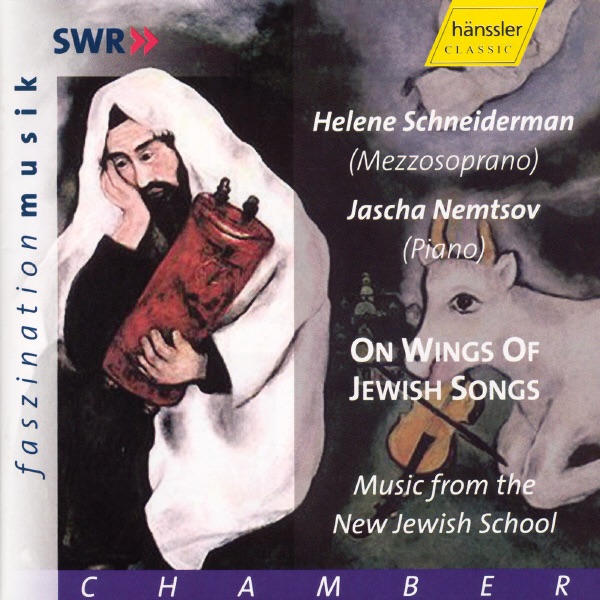 April 15, 2002
Chamber
-
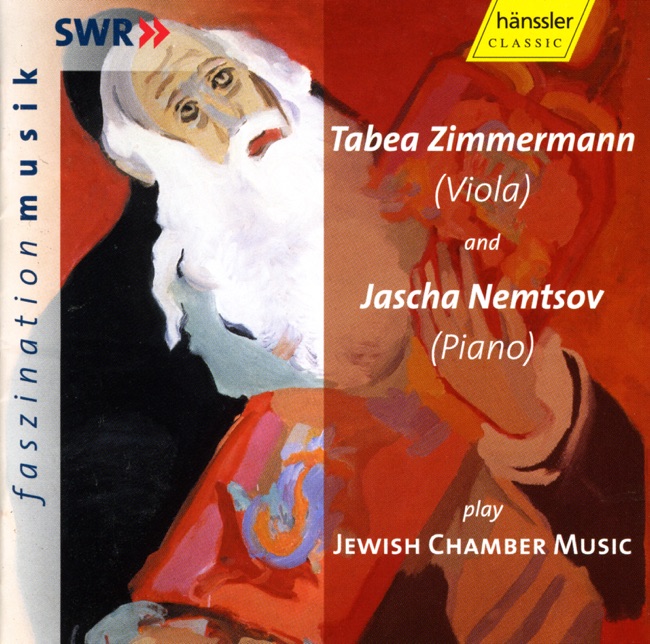 August 24, 2000
Artist Info
Role:ComposerCountry: RussiaBirth:February 2, 1883 in Rostov-on-Don, RussiaDeath:May 5, 1957 in Moscow, RussiaPeriod:ModernGenre:ChamberVocalMichael Gnesin was a Russian composer, pianist, and music educator who was born on December 17, 1883, in Rostov-on-Don, Russia. He was the youngest of six children in a family of musicians. His father, Abram Gnesin, was a well-known music critic, and his mother, Olga, was a pianist and composer. Michael's siblings were also involved in music, with his brother Lev becoming a composer and his sister Elena a pianist. Michael began his musical education at a young age, studying piano with his mother and later with Alexander Goldenweiser. He also studied composition with Sergei Taneyev and Nikolai Rimsky-Korsakov. In 1904, he graduated from the Moscow Conservatory, where he had studied piano with Vasily Safonov and composition with Sergei Taneyev. After graduation, Gnesin began his career as a pianist, performing in concerts throughout Russia and Europe. He also began composing, with his early works including piano pieces, songs, and chamber music. In 1910, he founded the Gnesin Music Institute in Moscow with his siblings, which became a leading music school in Russia. During World War I, Gnesin served in the Russian army as a musician, performing for troops on the front lines. After the war, he continued to compose and perform, and in 1920, he became a professor at the Moscow Conservatory. Gnesin's music was influenced by Russian folk music and the works of composers such as Rimsky-Korsakov and Tchaikovsky. His compositions include orchestral works, chamber music, piano pieces, and songs. Some of his most notable works include the ballet "The Humpbacked Horse," the opera "The Jewish Tambourine," and the "Concerto for Piano and Orchestra." In addition to his work as a composer and performer, Gnesin was also a dedicated music educator. He believed in the importance of music education for all, and his Gnesin Music Institute provided opportunities for students of all ages and backgrounds to study music. He also wrote several books on music education, including "The Art of Piano Playing" and "The Art of Teaching Music." Gnesin's career was cut short by his death on January 23, 1957, in Moscow. However, his legacy as a composer, performer, and educator lives on, and his contributions to Russian music continue to be celebrated today.More....
Recent Artist Music
Copyright Ⓒ 2013 Davinci Finger. All rights reseved
Service Terms & Policy