


Maggi Payne
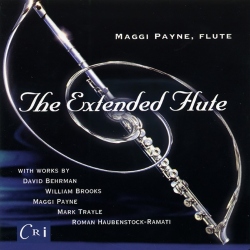
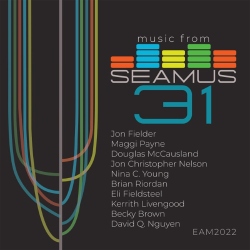
Released Album
Chamber
-
 November 10, 2015
 -
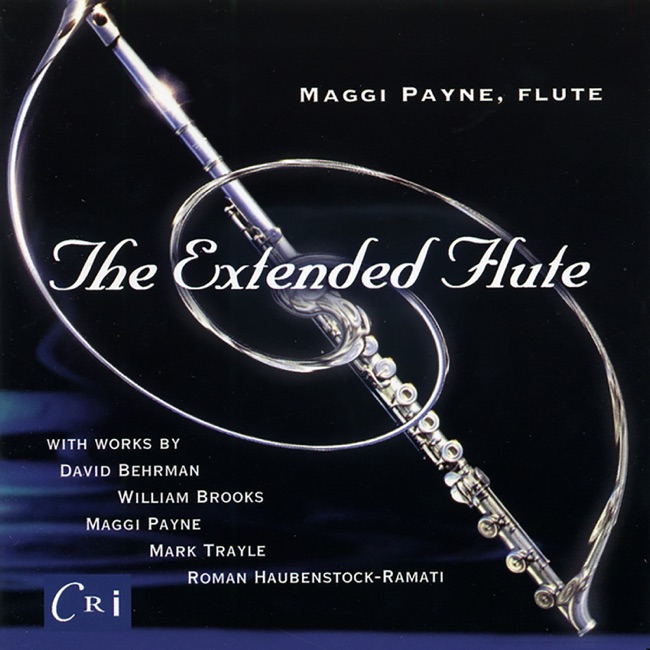 April 13, 1999
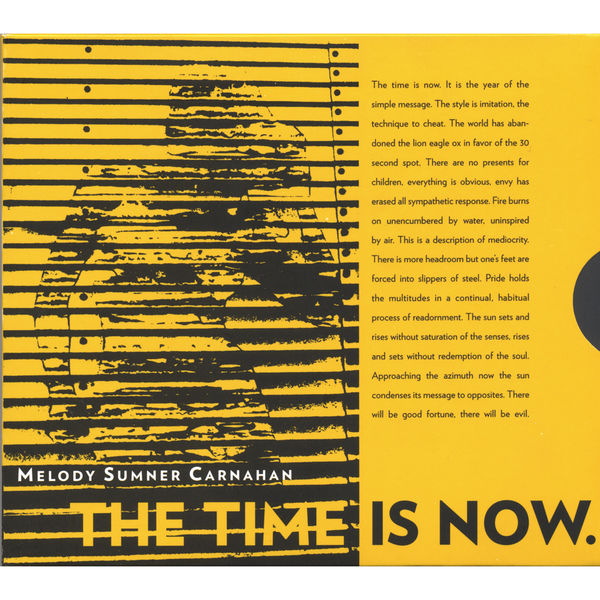
Electronic/Computer
-
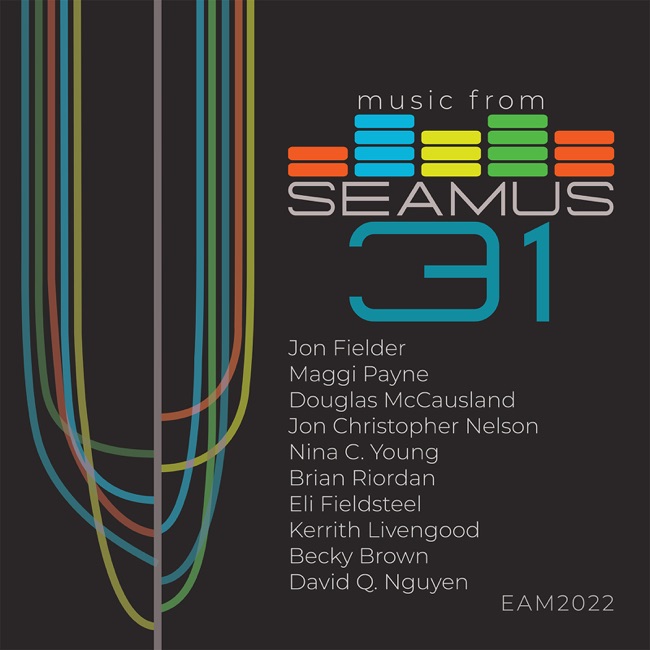 May 20, 2022
Artist Info
Role:Composer PerformerCountry: United States of AmericaBirth:December 23, 1945 in Temple, TXPeriod:ClassicalRomanticContemporaryGenre:ConcertoMaggi Payne is a renowned American composer of classical music, known for her innovative and experimental approach to sound. Born on February 22, 1945, in Temple, Texas, Payne grew up in a musical family and began playing the piano at a young age. Her father was a jazz musician, and her mother was a singer, so music was always a part of her life. Payne attended Mills College in Oakland, California, where she studied with composers Robert Ashley, Terry Riley, and David Behrman. She received her Bachelor of Arts degree in music in 1969 and her Master of Fine Arts degree in electronic music in 1972. During her time at Mills College, Payne became interested in electronic music and began experimenting with sound. She was particularly drawn to the possibilities of the Buchla synthesizer, an early electronic instrument that allowed for the creation of complex and unique sounds. Payne became one of the first composers to use the Buchla synthesizer in her work, and she quickly gained a reputation as an innovator in the field of electronic music. In the early 1970s, Payne began working as a sound designer for the California Shakespeare Festival, where she created soundscapes and music for productions of plays such as "A Midsummer Night's Dream" and "The Tempest." She also worked as a sound engineer for the San Francisco Tape Music Center, where she collaborated with other composers to create experimental electronic music. In 1975, Payne joined the faculty of the Center for Contemporary Music at Mills College, where she taught electronic music and composition for over 20 years. During this time, she continued to create her own music, and her work was featured in numerous concerts and festivals around the world. One of Payne's most notable works is "Crystal," a piece for flute and electronics that she composed in 1986. The piece was inspired by the sound of crystal glasses being struck, and Payne used the Buchla synthesizer to create a shimmering, ethereal sound that complemented the flute. "Crystal" has been performed by numerous flutists around the world and has become a staple of the contemporary flute repertoire. Another important work by Payne is "Black Ice," a piece for tape that she composed in 1987. The piece was inspired by the sound of ice cracking and breaking, and Payne used a variety of electronic sounds to create a haunting and evocative sonic landscape. "Black Ice" has been performed in numerous concerts and festivals and has been praised for its innovative use of sound. In addition to her work as a composer, Payne is also a respected educator and has taught at numerous institutions around the world. She has been a visiting professor at the University of California, Berkeley, the University of Illinois at Urbana-Champaign, and the University of Paris, among others. She has also served as a guest lecturer and workshop leader at numerous conferences and festivals. Throughout her career, Payne has been recognized for her contributions to the field of electronic music. She has received numerous awards and honors, including a Fulbright Fellowship, a Guggenheim Fellowship, and a National Endowment for the Arts grant. In 2010, she was awarded the SEAMUS Lifetime Achievement Award for her contributions to the field of electro-acoustic music. Today, Payne continues to create innovative and experimental music, and her work remains an important part of the contemporary classical music canon.More....
Recent Artist Music
1
2:18

Copyright Ⓒ 2013 Davinci Finger. All rights reseved
Service Terms & Policy