


Domingo Lobato
Released Album
Chamber
-
-
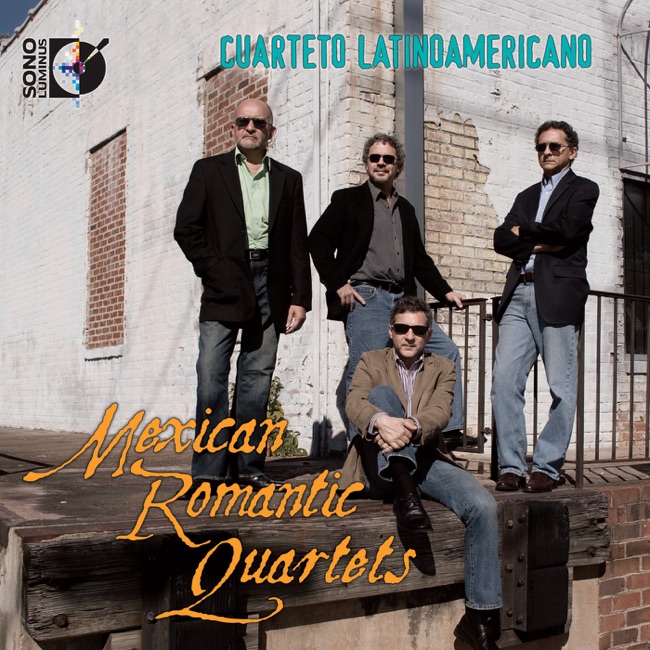 April 26, 2011
Artist Info
Role:ComposerBirth:1920 in MexicoPeriod:ModernDomingo Lobato was a Spanish composer and pianist who lived from 1894 to 1985. He was born in the small town of Almendralejo in the province of Badajoz, Extremadura, Spain. His father was a music teacher and his mother was a singer, so music was a part of his life from an early age. He began studying piano with his father when he was just four years old, and by the time he was a teenager, he was already performing in public. Lobato's musical education continued in Madrid, where he studied at the Royal Conservatory of Music. He was a talented pianist, and he won several awards and prizes for his performances. However, he was also interested in composition, and he began to write his own music while he was still a student. His early works were influenced by the Romantic composers of the 19th century, such as Chopin and Liszt, but he also incorporated elements of Spanish folk music into his compositions. After completing his studies in Madrid, Lobato moved to Paris, where he continued to study composition with some of the leading composers of the time, including Maurice Ravel and Nadia Boulanger. He also became involved in the Parisian music scene, performing in concerts and meeting other musicians and composers. Lobato's music began to gain recognition in the 1920s and 1930s, both in Spain and abroad. He was particularly known for his piano music, which was virtuosic and often highly emotional. His compositions were also influenced by the Spanish Civil War, which took place from 1936 to 1939. Many of his works from this period reflect the turmoil and tragedy of the war, and some of his pieces have titles that refer to specific events or places associated with the conflict. One of Lobato's most famous works is his Piano Concerto No. 1, which he composed in 1935. The concerto is a virtuosic showcase for the soloist, with fast runs and intricate passages that require great technical skill. However, it is also a deeply emotional work, with moments of intense lyricism and drama. The concerto was premiered in Madrid in 1936, just before the outbreak of the Civil War, and it quickly became one of Lobato's most popular works. Another notable work from this period is Lobato's Suite Española, which he composed in 1937. The suite is a collection of pieces for solo piano, each of which is based on a different Spanish folk melody. The pieces are arranged in a way that reflects the geography of Spain, with each section representing a different region of the country. The suite is a tribute to the rich musical heritage of Spain, and it has become one of Lobato's most beloved works. After the Civil War ended in 1939, Lobato returned to Spain and continued to compose and perform. He was appointed as a professor of composition at the Madrid Conservatory, where he taught many of the leading Spanish composers of the next generation. He also continued to write music that reflected his love of Spanish folk music, as well as his interest in contemporary musical trends. One of Lobato's later works is his Piano Sonata No. 2, which he composed in 1960. The sonata is a more abstract and experimental work than some of his earlier pieces, with dissonant harmonies and complex rhythms. However, it also contains moments of great beauty and lyricism, and it showcases Lobato's continued mastery of the piano as an instrument. Lobato's music has continued to be performed and recorded in the years since his death in 1985.More....
Recent Artist Music
Copyright Ⓒ 2013 Davinci Finger. All rights reseved
Service Terms & Policy