


Han, Sultan Selim III
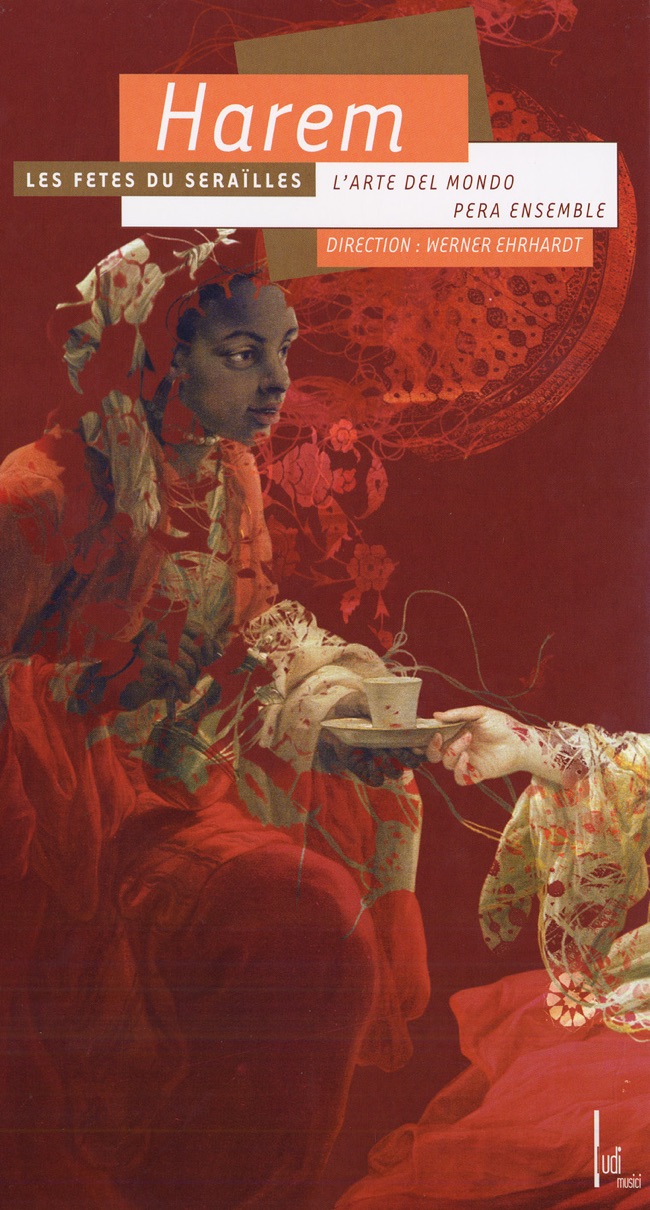
Artist Info
Role:ComposerCountry: TurkeyBirth:December 24, 1761 in Constantinople, TurkeyDeath:July 29, 1808 in Constantinople, TurkeyGenre:VocalSultan Selim III, also known as Han, was a prominent composer and musician in the Ottoman Empire during the late 18th and early 19th centuries. He was born on December 24, 1761, in Istanbul, Turkey, to Sultan Mustafa III and his wife Mihrişah Sultan. Han was the 28th Sultan of the Ottoman Empire, ruling from 1789 until his death in 1808. Han was born into a family of musicians and was exposed to music from a young age. His father, Sultan Mustafa III, was a patron of the arts and encouraged his children to pursue music. Han's mother, Mihrişah Sultan, was also a musician and composer, and she taught her son the art of music composition. Han's siblings were also musically talented, with his brother, Prince Selim, being a skilled oud player and composer. Han's musical education began at a young age, and he was trained in both Ottoman classical music and Western classical music. He studied under some of the most prominent musicians of his time, including the famous composer and musician Prince Dimitrie Cantemir. Han was also a skilled player of several instruments, including the ney, a type of flute, and the tanbur, a long-necked lute. Han's compositions were influenced by both Ottoman and Western musical traditions. He was known for his use of complex rhythms and intricate melodies, as well as his incorporation of Western harmonies and instruments into his compositions. Han's music was often performed at court ceremonies and other important events, and he was highly regarded as a composer and musician by his contemporaries. One of Han's most famous compositions is his "Nikriz Peşrevi," a piece for the tanbur that is still performed today. The piece is known for its intricate rhythms and complex melodies, and it is considered a masterpiece of Ottoman classical music. Han also composed several other pieces for the tanbur, including the "Hüseyni Saz Semaisi" and the "Hicazkar Saz Semaisi." In addition to his compositions for the tanbur, Han also wrote several pieces for the ney, including the "Hüseyni Ney Taksimi" and the "Hicaz Ney Taksimi." These pieces showcase Han's skill as a ney player and his ability to create intricate melodies that highlight the unique qualities of the instrument. Han's compositions were not limited to traditional Ottoman instruments, however. He also wrote several pieces for Western instruments, including the piano and the violin. One of his most famous pieces for the piano is his "Rondo Alla Turca," which is part of his Piano Sonata No. 11. The piece is known for its use of Turkish-inspired melodies and rhythms, and it has become one of Mozart's most famous compositions. Han's legacy as a composer and musician continues to this day. His compositions are still performed and studied by musicians around the world, and his influence can be heard in the music of many contemporary composers. Han's contributions to Ottoman classical music and his ability to bridge the gap between Ottoman and Western musical traditions have cemented his place as one of the most important composers of his time. In conclusion, Sultan Selim III, also known as Han, was a prominent composer and musician in the Ottoman Empire during the late 18th and early 19th centuries. He was born into a family of musicians and was exposed to music from a young age. Han's musical education began at a young age, and he was trained in both Ottoman classical music and Western classical music.More....
Recent Artist Music

Copyright Ⓒ 2013 Davinci Finger. All rights reseved
Service Terms & Policy