


Wolfgang Jacobi
Released Album
Chamber
-
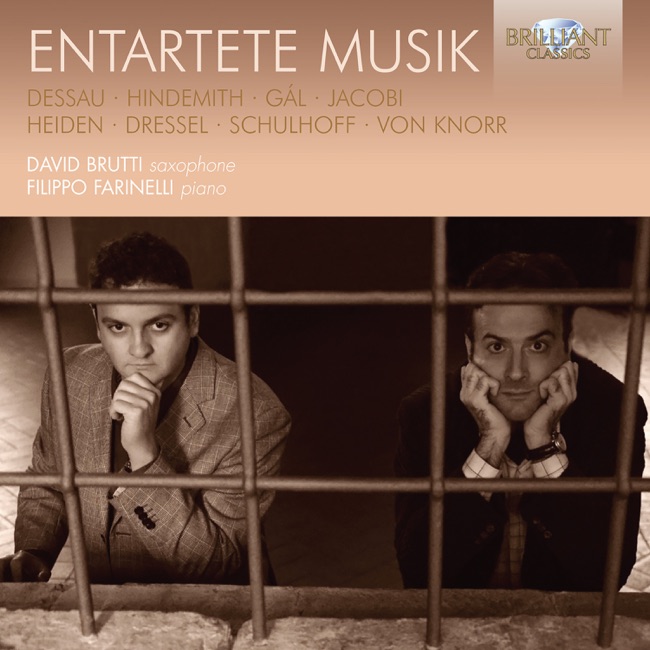 July 21, 2014
 -
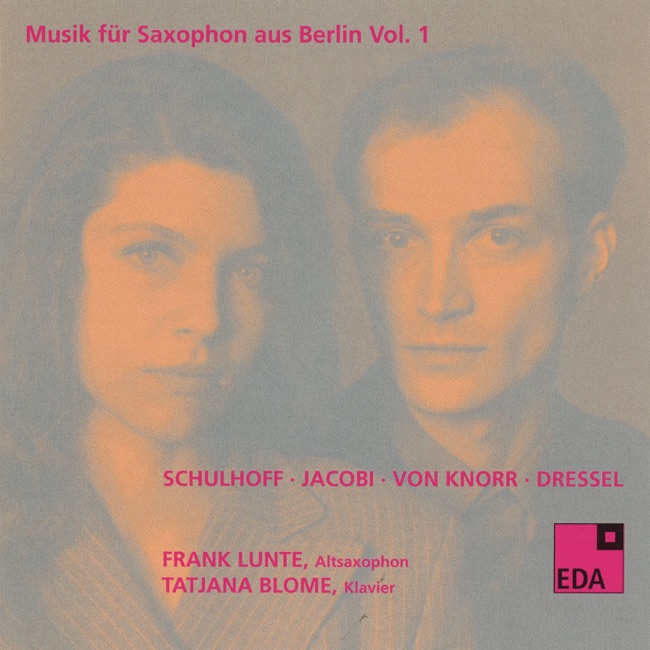 September, 2002
Keyboard
-
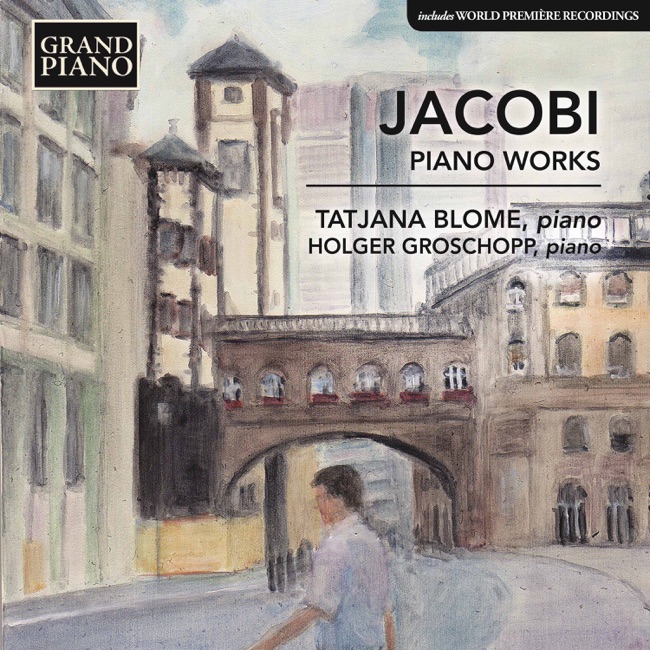 May 12, 2017
Artist Info
Role:ComposerBirth:1894Death:1972Genre:ChamberWolfgang Jacobi was a German composer who was born on May 17, 1894, in the city of Posnan, which was then part of the German Empire. He was the son of a music teacher and grew up in a musical family. Jacobi began his musical education at a young age, studying piano and composition with his father. He later studied at the Berlin Academy of Music, where he was a student of Paul Juon and Max Bruch. Jacobi's early compositions were influenced by the music of the late Romantic period, but he soon began to experiment with new forms and techniques. In the 1920s, he became interested in the music of Arnold Schoenberg and the Second Viennese School. He began to incorporate elements of atonality and serialism into his own compositions, which led to his reputation as a modernist composer. One of Jacobi's most significant works is his Symphony No. 1, which he composed in 1929. The symphony is a prime example of his use of atonality and serialism, and it was well-received by critics and audiences alike. Jacobi continued to compose symphonies throughout his career, and his Symphony No. 3, which he composed in 1949, is considered one of his most important works. In addition to his symphonies, Jacobi composed a wide variety of other works, including chamber music, vocal music, and operas. One of his most famous operas is "Der Kaiser von Atlantis," which he composed in 1943 while he was living in exile in the United States. The opera is a satirical work that criticizes the Nazi regime, and it was not performed until after Jacobi's death. Jacobi's music was not always well-received by the German musical establishment, and he faced criticism and censorship throughout his career. In 1933, he was forced to leave his position as a professor at the Berlin Academy of Music because of his Jewish heritage. He fled to Switzerland, where he continued to compose and teach. In 1938, he emigrated to the United States, where he taught at various universities and continued to compose until his death in 1964. Despite the challenges he faced, Jacobi remained committed to his artistic vision and continued to push the boundaries of classical music throughout his career. His music is characterized by its innovative use of form and technique, as well as its emotional intensity and expressive power. Today, he is recognized as one of the most important composers of the 20th century, and his music continues to be performed and studied by musicians and scholars around the world.More....
Recent Artist Music

Copyright Ⓒ 2013 Davinci Finger. All rights reseved
Service Terms & Policy