


Carlo Cecere
Released Album
Chamber
-
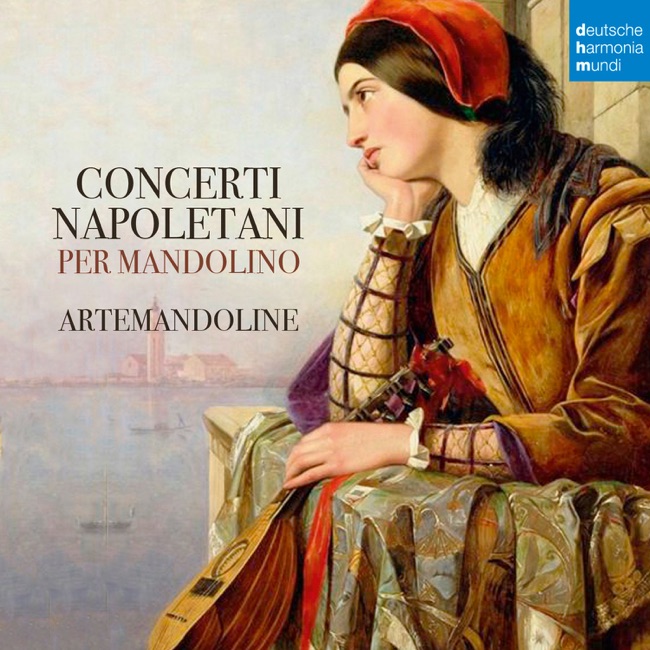 December 14, 2018
Concerto
-
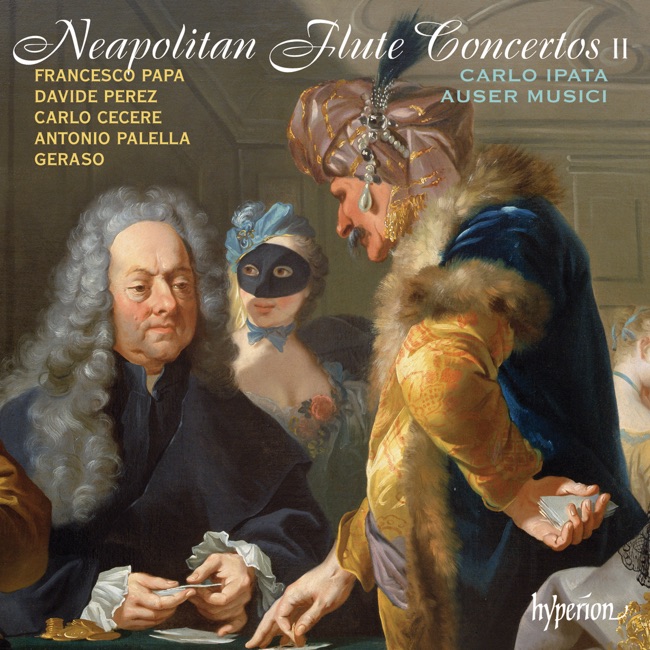 May 14, 2013
Artist Info
Role:ComposerCountry: ItalyBirth:November 7, 1706Death:February 15, 1761Period:BaroqueGenre:ConcertoOperaCarlo Cecere was an Italian composer of the Baroque era, born in Naples in 1706. He was the son of a musician and began his musical education at a young age. He studied under the renowned composer Francesco Durante, who was also the teacher of other famous composers such as Niccolò Jommelli and Giovanni Paisiello. Cecere's early works were mainly vocal compositions, including operas, oratorios, and cantatas. His first opera, "La Rosmira fedele," was performed in Naples in 1730 and was well-received by audiences. He went on to compose several more operas, including "L'Eraclea" and "La Partenope," which were performed in various cities throughout Italy. In addition to his operas, Cecere also composed a number of oratorios, which were religious works typically performed in churches. His oratorio "Il martirio di Santa Caterina" was particularly popular and was performed in Naples in 1735. Cecere's cantatas were also well-regarded, and he composed several for the Accademia degli Arcadi, a literary and artistic society in Rome. Cecere's instrumental works were less numerous than his vocal compositions, but they were still significant. He composed several concertos for various instruments, including the violin, oboe, and flute. His concertos were notable for their virtuosic solo parts and their use of counterpoint, a technique in which multiple melodies are played simultaneously. One of Cecere's most famous works is his Concerto for Flute in G major, which is still performed today. The piece is known for its lively and cheerful melodies, as well as its technical demands on the soloist. Cecere's other instrumental works include sonatas for various instruments, as well as chamber music. Cecere's music was well-regarded during his lifetime, and he was considered one of the leading composers of his era. His works were performed in Italy and throughout Europe, and he was particularly popular in Germany. However, his music fell out of favor in the 19th century and was largely forgotten until the 20th century, when it was rediscovered by musicologists and performers. Today, Cecere's music is once again appreciated for its beauty and technical skill. His vocal works are particularly admired for their expressive melodies and dramatic flair, while his instrumental works showcase his mastery of counterpoint and his ability to create complex and engaging musical textures. In addition to his compositions, Cecere was also a respected music teacher. He taught at the Conservatorio di Santa Maria di Loreto in Naples, where his students included the composer Giovanni Paisiello. Cecere was known for his strict but fair teaching style, and he was highly respected by his students and colleagues. Carlo Cecere died in Naples in 1761 at the age of 55. Although his music was largely forgotten for many years, it has since been rediscovered and is now appreciated for its beauty and technical skill. Cecere's legacy as a composer and teacher continues to inspire musicians today, and his works are still performed and enjoyed by audiences around the world.More....
Copyright Ⓒ 2013 Davinci Finger. All rights reseved
Service Terms & Policy